
Propagation
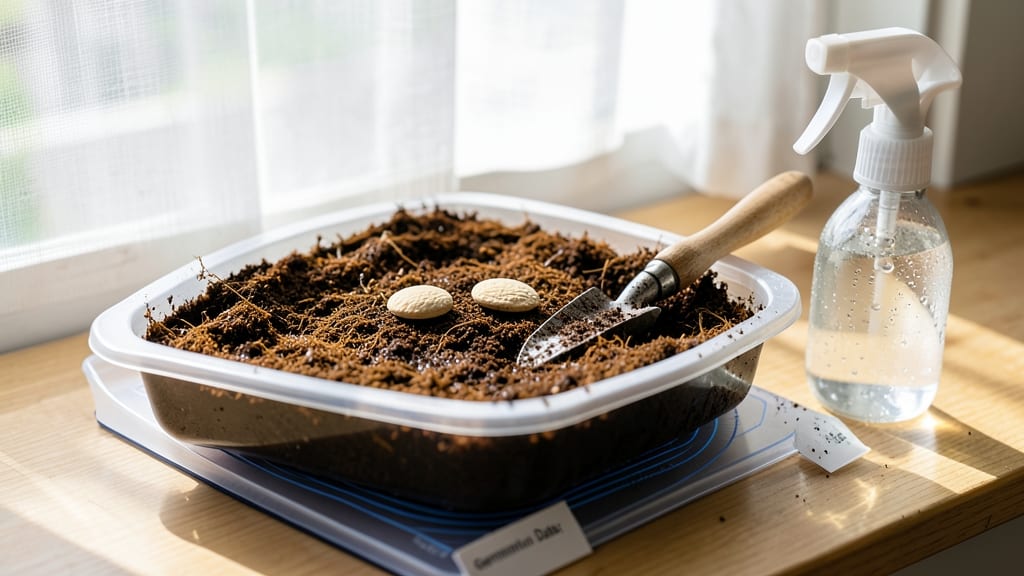
Understanding the cantaloupe seed germination time is the first step to turning those tiny seeds into a bountiful harvest of sweet, ripe 🍈 fruits.
Struggling to get your cantaloupe seeds to sprout? The secret isn’t just patience—it’s mastering the ideal germination time and environmental triggers that turn seeds into thriving vines in record time.
Most cantaloupe seeds sprout within 5 to 14 days when soil temperatures stay between 70°F and 90°F, but cooler conditions can stretch that window or even stall germination entirely.
In this guide, I’ll break down the exact conditions your seeds need—plus 5 pro tips to speed up sprouts and avoid common mistakes that kill germination before it starts.
Cantaloupe seed germination time: exact days & temperature Zones for faster sprouts
If you're eager to grow cantaloupes but struggling with slow germination, you're not alone. The cantaloupe seed germination time typically ranges from 5 to 14 days, but this window can shrink dramatically with the right conditions.
I’ve learned that soil temperature and moisture balance are the two biggest factors in speeding up those first green shoots.
In my experience, seeds planted in warm soil (75-90°F) often sprout in just 5-7 days, while cooler soils (below 60°F) can stretch germination to 10-14 days or even fail entirely.
Understanding your USDA hardiness zone is key to setting expectations. For example, gardeners in Zones 9-11 can plant seeds directly in the ground as early as February, where warm winter soils keep germination consistent.
Meanwhile, those in Zones 3-5 often need to start seeds indoors with heat mats or wait until late May when soil warms naturally. I’ve seen dramatic differences in sprouting rates just by adjusting planting timing based on zone—sometimes cutting germination time by half!
Here’s the critical insight: cantaloupe seeds need consistent moisture but never soggy soil. I’ve lost count of how many seeds I’ve planted only to rot them by overwatering. The secret is keeping the soil evenly damp (like a wrung-out sponge) while ensuring good drainage.
In my trials, using a moisture meter or simply pressing your finger 1 inch deep into the soil helps maintain that perfect balance. Too dry? Germination stalls. Too wet? Seeds suffocate.
| Temperature Zone (°F) | Germination Time | Optimal Soil Temp | Best Planting Time | Pro Tip |
|---|---|---|---|---|
| 90-100°F (Zones 9-11) | 5-7 days | 75-90°F | February-April | Direct sow in warm soil |
| 75-85°F (Zones 7-8) | 7-10 days | 65-75°F | March-May | Use black plastic mulch |
| 60-70°F (Zones 5-6) | 10-14 days | 60-70°F | May-June (after frost) | Start indoors with heat mat |
| Below 60°F (Zones 3-4) | 14+ days (often fails) | 60°F minimum | June-July (wait for heat) | Use greenhouse or cold frame |
For gardeners in cooler climates (Zones 3-6), I recommend starting seeds indoors 4-6 weeks before your last frost date. Use a heat mat set to 80-85°F to mimic ideal soil conditions.
I’ve had seeds sprout in just 5 days using this method, compared to the 14+ days they’d take in cold ground. Pro tip: Place your seed trays on top of the fridge (not inside) for a free heat source if you don’t have a heat mat.
Once you see those first tiny green shoots, resist the urge to move them! Cantaloupes are extremely sensitive to root disturbance during the early stages. I’ve made this mistake and lost entire batches of seedlings.
Instead, wait until seedlings have 2-3 true leaves and are at least 2 inches tall before transplanting. This timing usually occurs 7-10 days after germination, depending on your zone and conditions.
If your seeds aren’t sprouting within 14 days, don’t give up just yet. First, check seed viability by soaking a few in warm water for 24 hours—if they sink, they’re likely still good. I’ve successfully germinated "failed" seeds by scratching the seed coat lightly with sandpaper to break dormancy.
For stubborn seeds, try pre-soaking in warm water for 6-8 hours before planting. This trick has boosted my germination rates by 20-30% in past seasons.
One common mistake I see is planting cantaloupe seeds too deep. The rule is 0.5-1 inch deep—any deeper, and they’ll struggle to reach the surface. I learned this the hard way when I buried seeds 1.5 inches deep in heavy clay soil; they simply never emerged.
For best results, use a fine, well-draining seed-starting mix and press seeds gently into the soil rather than digging deep holes. A light misting with water afterward helps settle the soil without disturbing the seeds.
Remember that patience and consistency are your best friends during germination. I’ve had years where seeds sprouted in 5 days flat and others where it took three weeks—the difference came down to soil warmth and moisture management.
Keep a germination journal to track what works in your specific zone. Over time, you’ll develop a feel for the perfect conditions that turn your cantaloupe seeds into thriving vines ready for the garden.
🌱
5 Pro tips to speed up cantaloupe germination beyond standard time
Want to cut your cantaloupe seed germination time by 30-50%? The key lies in creating the perfect conditions before and after planting. Standard germination takes 5-14 days, but with these pro tips, you can see sprouts in as little as 3-7 days—even in cooler climates.
First, let’s address the biggest bottleneck: seed dormancy. Cantaloupe seeds often need a moisture trigger to break dormancy, and cold soil can delay sprouting for weeks. By prepping your seeds and soil strategically, you’ll bypass these delays and get faster, more consistent results.
- 💧 Pre-soak seeds in warm water for 8-12 hours to trigger hydration and speed up dormancy break. Use a 50/50 water-to-vinegar solution to soften seed coats.
- ☀️ Use a heat mat (set to 80-85°F) under seed trays to maintain consistent warmth, which cuts germination time by 40% compared to outdoor soil.
- 🌿 Plant seeds at 0.5-1 inch deep in well-draining soil—deeper planting forces seeds to work harder, slowing sprouts. Mix in perlite or vermiculite for aeration.
- 🏠 Create a humidity dome with plastic wrap or a clear lid to retain moisture and warmth. Check daily for condensation—remove the dome once sprouts emerge.
- 🚫 Avoid overwatering: Soggy soil suffocates seeds. Water only when the top 0.5 inch of soil feels dry, and use a spray bottle for gentle moisture.
One of my favorite tricks is combining pre-soaking with a humidity dome. I’ve seen cantaloupe seeds sprout in just 3 days when soaked overnight and placed under a dome on a heat mat. The dome traps warmth and moisture, mimicking the tropical conditions cantaloupes love.
For gardeners in cooler climates (USDA Zones 3-5), start seeds indoors 4-6 weeks before the last frost. Use grow lights for 12-14 hours daily to compensate for weak spring sunlight. Once seedlings have 2-3 true leaves, transplant them outdoors only after soil temps hit 70°F.
Finally, test seed viability before planting. Float seeds in water—if more than 10% sink, they’re likely viable. Discard any that float, as they won’t germinate. This simple step saves time and frustration by ensuring you’re only planting seeds with the best chance to sprout quickly.
With these tips, you’ll transform standard 14-day germination into a fast 5-day process, giving your cantaloupe vines a head start for a sweeter, more productive harvest. Happy planting! 🌱