
Propagation
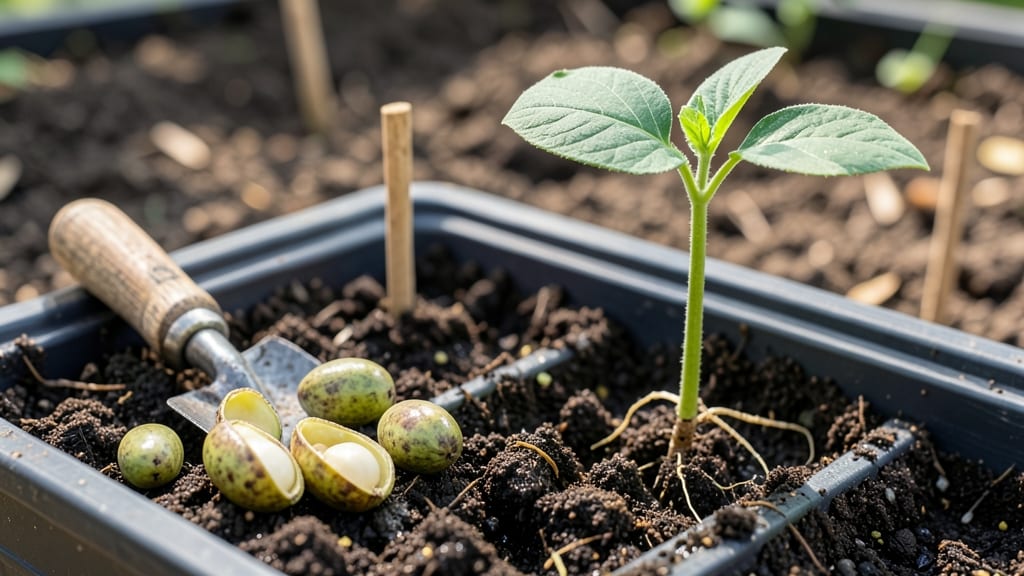
3 Science-backed tricks to speed up pea seed germination
Pea seeds are famously slow to sprout, often taking 7-14 days under ideal conditions—but with the right tricks, you can slash that time by half. The secret lies in breaking down the natural dormancy barriers pea seeds have evolved to survive harsh conditions.
These three proven methods mimic nature's triggers, coaxing your seeds to wake up faster and stronger.
First, let's tackle the biological reasons behind slow germination. Pea seeds have a tough outer coat that resists water absorption, and their embryos need specific conditions to activate. By addressing these barriers—hard seed coat, moisture resistance, and temperature sensitivity—we can dramatically improve your success rate.
Ready to see those first green shoots in days instead of weeks?
⚠️ Critical Note: Always use fresh, high-quality seeds for best results. Old seeds (over 2 years) may not respond well to these methods, no matter how carefully you prepare them.
🌱 Step-by-Step Germination Tricks
Soaking Seeds (24-48 Hours)
Place 10-20 seeds in a bowl with warm water (65-75°F). Soak for 24-48 hours, changing water every 12 hours to prevent mold. This softens the hard seed coat and speeds up hydration.
Scarification (Sandpaper or Nicking)
Rub seeds gently with fine-grit sandpaper (220-grit) or use a knife to make a tiny nick in the seed coat. This mimics natural wear and tear, allowing water to penetrate faster. Do not cut too deep—just enough to see a slight break.
Warm Stratification (7-10 Days)
Place soaked seeds in a damp paper towel inside a sealed plastic bag. Store in a warm location (70-80°F) for 7-10 days. Check daily for moisture—sprouts should appear within 3-5 days of stratification.
Let me walk you through each method in more detail. For soaking, I recommend using a glass jar with a lid (not airtight) to monitor the seeds.
If you notice any fuzzy mold, discard those seeds immediately and restart with fresh ones. The goal is to hydrate the seed without inviting bacteria.
When using scarification, I’ve found that bush pea varieties respond better to this method than vining types. The key is consistency—don’t rush the sanding process. A light, even rub works best. For the knife method, sterilize your blade with rubbing alcohol first to prevent contamination.
For warm stratification, I swear by the paper towel method because it keeps seeds moist without drowning them. Place the sealed bag in a sunny windowsill or near a heat source like the top of your fridge.
Avoid direct sunlight, which can overheat the seeds and cause them to dry out.
Once your seeds have sprouted tiny white roots (about ¼ inch long), they’re ready to plant. I like to use biodegradable peat pots for this stage because they reduce root disturbance when transplanting. Fill them with moist, well-draining soil and plant seeds 1 inch deep, root-side down.
After planting, maintain consistent moisture by covering the pots with plastic wrap until germination occurs. This creates a mini greenhouse effect that keeps humidity high and speeds up the process. Remove the wrap as soon as you see sprouts to prevent fungal diseases like damping-off.
Pro tip: If you’re planting directly in the garden, pre-warm the soil for 24 hours before sowing. Use a black plastic mulch or lay out dark-colored towels to absorb sunlight. This mimics the warm stratification effect and gives your seeds a head start in cooler spring conditions.
With these three science-backed tricks, you can expect to see germination in just 3-7 days instead of the usual 2 weeks. The best part? These methods work for all pea varieties, from sweet snap peas to sugar snap and snow peas. Happy planting—and enjoy those early harvests!
Optimal conditions for pea seed germination: temperature, moisture & light
Pea seeds thrive when given the right environmental conditions, but many gardeners struggle because they don't mimic the seeds' natural preferences. Unlike some plants, peas need specific temperature ranges, consistent moisture, and indirect light to break dormancy and sprout reliably.
Understanding these factors lets you create the perfect setup—whether in containers, seed trays, or directly in your garden.
First, let's talk temperature. Pea seeds germinate best when soil temperatures hover between 60-75°F (15-24°C). Below 50°F (10°C), germination slows dramatically, which is why early spring plantings often fail. If your climate is still chilly, use row covers or black plastic mulch to warm the soil before sowing.
I've seen germination times drop from 2 weeks to just 5 days by raising soil temps just 10°F!
Moisture is equally critical. Pea seeds need constant dampness but will rot if waterlogged. The soil should feel like a wrung-out sponge—moist at the surface but with good drainage.
For container starts, I mix 50% peat moss and 50% perlite to prevent compaction. In garden beds, work in compost to improve water retention without suffocating roots.
| Factor | Ideal Range | How to Achieve |
|---|---|---|
| Temperature | 60-75°F (15-24°C) | Use row covers, black plastic mulch, or warm seed trays |
| Moisture | Consistently damp (not soggy) | Mist seeds daily, use moisture-retentive soil mix |
| Light | Indirect light (bright but no direct sun) | Place trays under fluorescent lights or in east-facing windows |
| Soil pH | 6.0-7.0 (slightly acidic to neutral) | Test soil and amend with lime (to raise) or sulfur (to lower) |
| Depth | 1 inch (2.5 cm) deep | Use seed trays with depth markers or plant directly with spacing |
Light requirements often surprise gardeners. While mature peas love full sun, germinating seeds prefer indirect light. Direct sunlight can overheat containers and dry out soil too quickly. For indoor starts, I place seed trays under fluorescent grow lights 12 inches away, running them for 14 hours daily.
If using natural light, an east-facing windowsill works best—it provides gentle morning sun without the intensity of midday rays.
For outdoor planting, choose a partially shaded location until sprouts appear (about 1 week). After germination, gradually introduce full sun over 3-4 days to harden off seedlings. I've had great success planting peas under dappled tree shade in early spring, which keeps soil temps stable while filtering harsh sunlight.
One common mistake is assuming "more water is better." Overwatering actually drowns seeds by cutting off oxygen. Instead, aim for light, frequent watering—think of it like misting a fern.
For container starts, I use a spray bottle to keep soil evenly moist without disturbing seeds. In garden beds, a soaker hose set to a gentle flow works wonders.
Pro tip: If your garden soil stays cool into spring, try pre-warming seed trays on a sunny windowsill for 24 hours before planting. This jumpstarts germination by 3-5 days. For extra insurance, mix composted manure into your planting area—it raises soil temps naturally while adding nutrients.
With these conditions mastered, you'll see those first pea shoots in just 5-7 days instead of waiting weeks!