
Planting
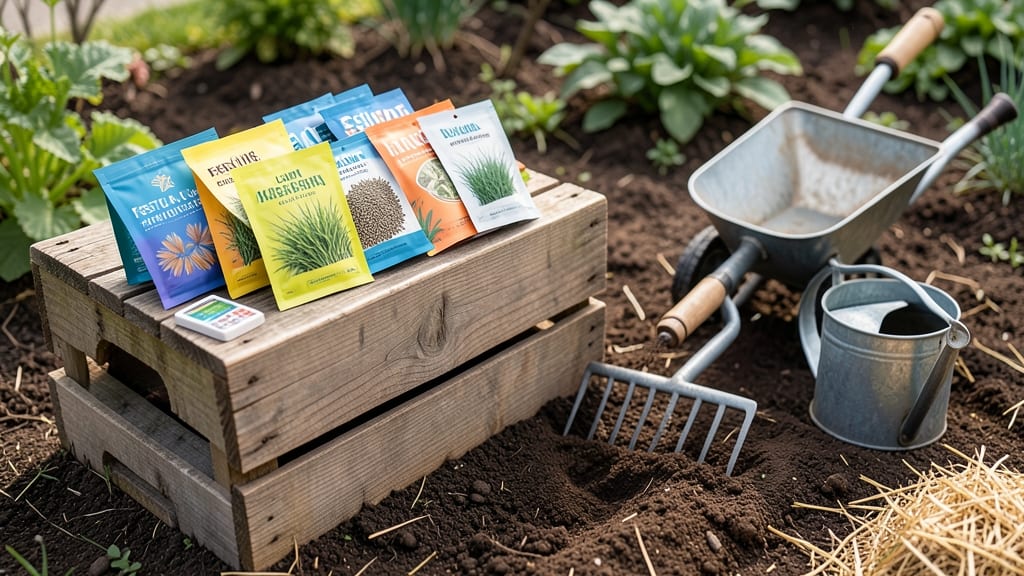
Planting grass seed in Southern California at the right time is the key to a thick, drought-resistant lawn that survives the region’s 9b-11 climate.
Struggling to get a lush, green lawn in Southern California? Timing is everything—plant grass seed at the wrong season, and you’ll battle heat stress, weeds, and poor germination. But nail the perfect window, and you’ll establish a thick, drought-resistant lawn that thrives year-round.
Southern California’s cool-season window—from late summer to early fall—offers ideal soil temperatures (60-75°F) for seed germination, while avoiding the brutal summer heat or winter frost risks. Coastal areas may have slightly different timing than inland desert regions, so we’ll break down the best months for each microclimate.
Below, I’ll cover the exact planting timeline, soil prep tips, and watering schedules to ensure your 🌱 grass takes root quickly and stays healthy. Whether you’re seeding a new lawn or overseeding an existing one, these steps will help you skip the common mistakes that lead to patchy, weak grass.
Southern California’s ideal grass seed planting window: why late summer to early fall works best
Southern California’s Mediterranean climate creates unique challenges for lawn establishment. Unlike northern states, we don’t have traditional spring or fall frost dates to guide planting. Instead, the perfect window hinges on soil temperatures between 60-75°F—ideal for seed germination without summer heat stress or winter dormancy risks.
This late summer to early fall period (August through October) aligns with nature’s rhythm. As days cool slightly and afternoon sun becomes less intense, your grass seed gets the consistent moisture and moderate temperatures it needs to sprout reliably.
Coastal areas benefit even earlier, while inland desert regions may need to wait until late September.
The science behind this timing is simple: grass seeds need active root growth to establish, which happens best when soil stays cool enough to retain moisture but warm enough to avoid dormancy.
Summer’s 100°F+ soil temps can cook seeds before they sprout, while winter’s chilly nights (even in SoCal) can stunt early growth.
Here’s how Southern California’s microclimates affect your planting schedule:
| Region Type | Best Planting Window | Soil Temp Range | Key Advantage |
|---|---|---|---|
| Coastal (LA, San Diego) | Late August - Early October | 65-72°F | Higher humidity retains moisture |
| Inland Valleys (San Fernando, Inland Empire) | Late September - October | 60-68°F | Cooler nights reduce evaporation |
| Desert (Palm Springs, Coachella) | October - Early November | 58-65°F | Avoids monsoon heat entirely |
| Mountain Foothills (San Gabriel, Santa Monica) | September - Mid-October | 62-70°F | Balanced sun/wind exposure |
For coastal areas, the August-September window works because ocean breezes moderate temperatures and provide natural humidity. In contrast, inland valleys like the San Fernando Valley should wait until late September when daytime highs drop below 85°F—this prevents seed desiccation before germination.
One common misconception is that spring planting works just as well. While March-April is the secondary window, it comes with risks: spring rains can wash away seeds, and weed competition intensifies as temperatures rise.
The fall window gives your grass a 6-8 week head start before winter slows growth, resulting in a thicker, more drought-resistant lawn by spring.
Another critical factor is rainfall patterns. Southern California’s winter rains (November-March) can actually harm newly established grass by causing soil compaction or fungal diseases from prolonged wetness. Planting in fall lets your grass develop deep root systems before these rains arrive, making it more resilient.
If you’re in a drought-prone area, consider drought-tolerant grass blends like Tall Fescue or Buffalo Grass. These varieties establish best in the fall window because they need consistent moisture during their initial growth phase but require far less water once mature.
The September-October period gives them the 6-8 weeks of reliable moisture they need without over-reliance on irrigation.
Remember: the first 30 days after planting are critical. During this time, your grass seed needs daily watering to maintain 1/2 inch of soil moisture.
Planting in fall ensures you won’t be battling 110°F soil temps or winter dormancy—both of which can derail your lawn’s success before it even begins.
For maximum results, pair your fall planting with a pre-emergent herbicide in late winter to prevent weeds from outcompeting your new grass. This two-step approach gives you the best of both worlds: a thick, weed-free lawn that’s ready to handle Southern California’s dry summers with confidence.
Step-by-step grass seed planting timeline for Southern California’s cool-season months
Southern California’s cool-season months—August through November—offer the perfect balance of moderate temperatures and increased rainfall for grass seed germination. This window avoids the summer heat stress that can dry out seeds and the winter frost that may damage young sprouts.
Whether you’re planting a new lawn or overseeding an existing one, following this timeline ensures your grass establishes strong roots before the next growing season.
Your success depends on three key factors: soil preparation, seed selection, and consistent moisture. Cool-season grasses like Tall Fescue and Kentucky Bluegrass thrive in these months, while warm-season blends (like Bermuda) should wait for spring.
Let’s break down the exact steps for each month to maximize your lawn’s potential.
🌱 Month-by-Month Grass Seed Planting Timeline
- 1 August (Soil Prep): Test soil pH (ideal: 6.0-7.0) and amend with compost. Remove weeds and loosen soil to 3-4 inches deep for optimal seed contact.
- 2 Late August (Seed Selection): Choose cool-season blends (Tall Fescue, Ryegrass) for inland areas or drought-tolerant varieties (Buffalo Grass) for coastal regions. Avoid warm-season seeds like Bermuda.
- 3 September (Planting): Spread seed at 5-10 lbs per 1,000 sqft and lightly rake. Water immediately to 1/2 inch depth, then keep soil moist (not soggy) for 14-21 days until germination.
- 4 October (Maintenance): Reduce watering to 3-4 times weekly as grass reaches 2-3 inches tall. Apply starter fertilizer (16-4-8 NPK) to boost root growth before winter.
- 5 November (Winter Prep): Mow once grass reaches 3-4 inches and reduce watering to bi-weekly. Mulch with straw to retain moisture and suppress weeds during dormancy.
Pro tip: Coastal areas (like Malibu or San Diego) can plant as late as November due to milder winters, while inland desert regions (like Palm Springs) should finish by October to avoid early cold snaps. Always check your local USDA Zone 9b-11 guidelines for adjustments.
Weeds are the biggest threat during this window, so apply a pre-emergent herbicide in September to block their growth. Once your grass reaches 3-4 inches tall, it will naturally outcompete weeds for nutrients and sunlight. For best results, repeat this process in March-April for a second planting window.
By following this timeline, you’ll avoid the common mistakes that lead to patchy lawns—like planting too early (heat stress) or too late (frost damage). Your grass will establish deep roots before winter, setting you up for a thick, green lawn come spring. 🌿