
Plants
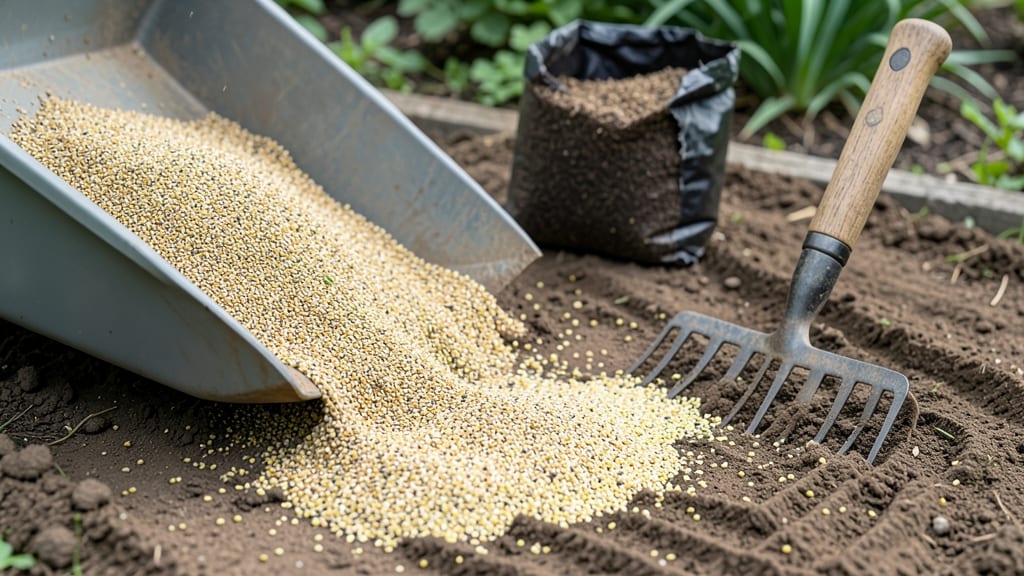
Planting grass seed in the fall ensures stronger roots before winter 🌱—aim for 4 to 6 weeks before your first frost to give seedlings time to establish.
Timing your fall grass seed planting can mean the difference between a lush lawn next spring and wasted effort—get it wrong, and frost will kill your new growth before it takes hold.
In USDA Zone 6a, like much of the Midwest, that window typically opens in late August to early September, but cooler northern zones may need to start earlier.
Below, I’ll walk you through zone-specific deadlines, soil prep tips, and a 3-step checklist to guarantee germination before winter sets in.
Fall grass seed planting deadlines by US hardiness zones
Getting your fall grass seed in the ground at the right time is everything—plant too early, and weeds take over; too late, and frost kills your seedlings. The key is establishing strong roots 4-6 weeks before the first frost, giving your lawn time to mature before winter dormancy.
Cooler fall temperatures actually help grass seeds germinate better than spring planting, but timing varies dramatically by USDA hardiness zone.
In warmer southern zones (7-10), you can plant as late as November, while gardeners in northern zones (3-6) need to finish by early October. Each zone has its own frost-free window where soil stays warm enough for germination but cool enough to prevent stress.
Let’s break down the exact deadlines by zone so you can mark your calendar and get sowing.
If you’re in Zone 5 or colder, focus on cool-season grasses like tall fescue or fine fescue, which germinate faster in cooler soils. In Zones 7-10, you can experiment with warm-season grasses if planting in late fall, but they’ll need extra protection from winter rains.
Always check your local frost dates—even within a zone, microclimates can shift planting by 2-3 weeks.
Pro tip: Use a soil thermometer to confirm temps are ideal before planting. Aim for 55-75°F depending on your zone—this ensures seeds germinate quickly but don’t overheat.
If your soil is too hot (above 80°F), wait 2-3 weeks or use shade cloth to cool it down. Early September is my personal sweet spot for Zone 6, where I’ve seen the best germination rates.
Don’t forget to prep your soil 2-3 weeks before planting. Rake out debris, loosen compacted soil, and add compost or starter fertilizer to give seedlings a nutrient boost.
Over-seeding existing lawns? Mow shorter first to expose soil. The goal is to create the perfect seed-to-soil contact for rapid root development before winter sets in.
One common mistake I see is planting too close to the first frost date. Even if seeds germinate, tender seedlings won’t survive below 32°F. In Zone 4, that means finishing by September 15 at the latest, while Zone 8 gardeners can push it to November 15.
Always err on the side of earlier planting—you can always overseed again next spring if needed.
For shade-tolerant grasses like fine fescue, you might extend your window by 1-2 weeks since they handle cooler temps better. But if your lawn gets full sun, stick to the zone guidelines above.
And remember: Watering is non-negotiable after planting. Keep soil consistently moist (not soggy) for the first 3 weeks to encourage deep root growth before winter.
Once your grass is established—typically by
How to adjust planting dates for your local climate
Your local climate isn’t just about the USDA zone—microclimates like elevation, soil warmth, and frost patterns can shift your ideal planting window by weeks. For example, a mountain slope might frost earlier than your neighbor’s valley, even if you’re in the same zone.
To fine-tune your timing, start by checking your soil temperature—grass seeds need 50–65°F soil temps to germinate reliably.
Don’t rely solely on air temperature or calendar dates. A late-summer heatwave can fool you into planting too early, while a cool September might delay germination. Instead, use a soil thermometer to confirm your soil is warm enough.
Pro tip: Morning soil temps (measured at 4 inches deep) are the most accurate predictor of seedling success.
- 🌡️ Soil temp hits 50°F+: Grass seeds like tall fescue and Kentucky bluegrass germinate best at this threshold. Test with a soil thermometer in the morning.
- 🌬️ Frost-free window extends 4+ weeks: Aim to plant when your area has 6–8 weeks left before the first 28°F frost. Check your local Almanac frost dates as a baseline.
- 🌱 Grass sprouts in 7–14 days: If seedlings emerge but frost looms within 2 weeks, delay planting. Cool-season grasses like ryegrass can handle light frost, but warm-season grasses (e.g., Bermuda) won’t survive.
Watch for local frost patterns—some areas get radiation frost (clear nights) while others face advection frost (wind-driven cold). If your yard is in a low-lying spot, frost may arrive 3–5 days earlier than official forecasts.
To hedge your bets, plant 2 weeks earlier in frost-prone microclimates or use row covers for extra protection.
Another trick: Fall soil temperatures in Zone 5 might still be 60°F+ in late September, while Zone 8 could already be 50°F by early October. Use a heat map tool (like NOAA’s Climate Data) to track your area’s historical soil temps and adjust accordingly.
For example, coastal areas stay warmer longer, while inland valleys cool faster.
Finally, don’t ignore weed competition—cool fall soils slow weed growth, but if you plant too late, annual ryegrass or crabgrass might outpace your seedlings. The sweet spot? Plant when soil is warm enough for grass but still cool enough to suppress weeds.
This usually falls in late August to mid-September for most regions.
Pro tip: Test your soil’s moisture retention before planting. Dry fall soils can stall germination, while soggy conditions invite fungal diseases. Aim for 60% soil moisture at planting—like a wrung-out sponge. If your soil feels like sand, add compost or peat moss to improve water-holding capacity.