
Plants
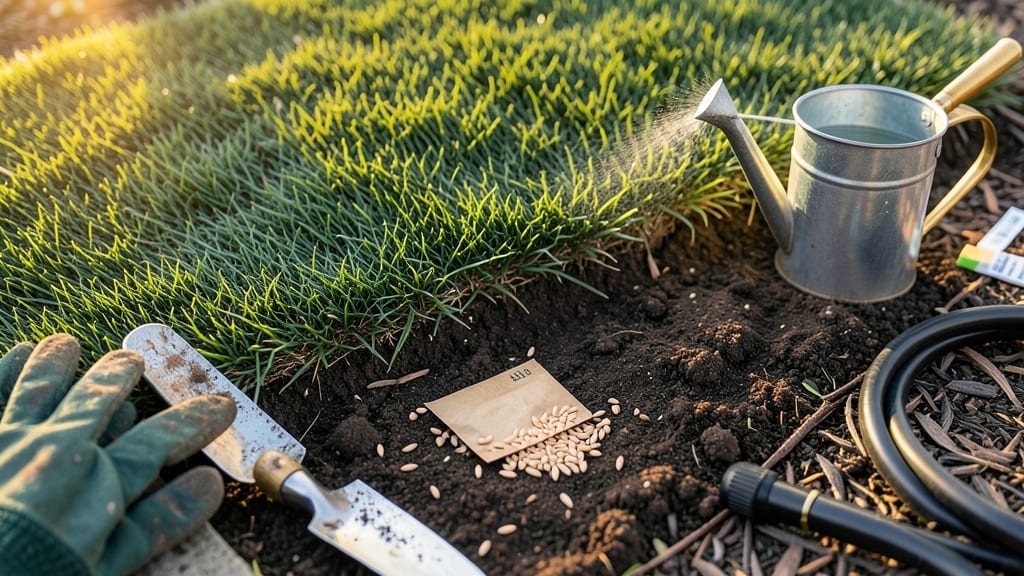
Planting Zoysia seed in Georgia at the right time means the difference between a lush, heat-resistant lawn and a patchy, struggling mess.
Georgia’s scorching summers can turn a new lawn into a nightmare—unless you plant Zoysia grass at the perfect time. Timing isn’t just about avoiding heat; it’s about giving your seed the best shot at thriving in Georgia’s unique climate.
Most gardeners in USDA Zones 7a-8b wait until late May or early June, when soil temperatures hit 65°F or warmer. This window ensures fast germination before the brutal July heat sets in, but planting too early risks frost damage, and too late invites drought stress.
In this guide, I’ll walk you through the fastest, most reliable planting window for Zoysia in Georgia, plus soil prep tips and regional adjustments to keep your lawn thriving year-round.
Best planting window for Zoysia seed in Georgia: late spring heat tolerance explained
Georgia’s late spring heat isn’t just a challenge—it’s the perfect window for planting Zoysia grass seed. Unlike cool-season grasses, Zoysia thrives when soil temperatures hit 65°F or warmer, which typically occurs in May and June across most of Georgia’s USDA Zones 7a-8b.
This timing ensures your seed doesn’t rot from lingering cool soil or struggle under summer drought stress.
Planting too early—before mid-May—risks frost damage or slow germination. Too late, and your seedlings face intense afternoon sun without established roots to handle it.
The ideal window balances warm soil, moderate humidity, and consistent rainfall, giving your Zoysia the best shot at forming a dense, drought-resistant lawn.
Soil temperature is your number-one priority. Use a soil thermometer to confirm readings of 65°F+ at 4-inch depth. In Georgia, this usually aligns with late May to early June, just as the dog days of summer begin. This heat isn’t the enemy—it’s what triggers faster germination and stolon growth, helping your lawn establish before July’s peak heat.
Here’s why this window works best for Zoysia seed in Georgia:
| Planting Window | Soil Temp | Key Benefit | Risk of Late Planting |
|---|---|---|---|
| Late May | 65°F+ | Fast germination, strong root start | Minimal, but watch for sudden heat spikes |
| Early June | 70°F+ | Optimal stolon spread, drought readiness | None if soil stays moist |
| Mid-June | 75°F+ | Rapid growth, but needs extra water | Heat stress if soil dries quickly |
| July+ | 80°F+ | N/A (seedlings may not survive) | High drought/fungal risk |
If you plant in late May, aim for afternoon shade (like under temporary shade cloth) until seedlings reach 2-3 inches tall. This protects them from Georgia’s brutal afternoon sun while their roots establish. Once your lawn hits this height, it can handle full sun exposure without stress.
For coastal Georgia (Zone 8b), you can push planting to early June thanks to milder summers. In the Piedmont region (Zone 7a), stick to late May to avoid sudden heat waves that can dry out soil too quickly.
Always check the Georgia Extension Service’s frost data for your specific county—some areas may have late-spring frosts as late as mid-May.
One common mistake? Waiting until July to plant. By then, Zoysia seed struggles to germinate in 90°F+ soil, and what does sprout often dies from drought stress before establishing.
If you miss the late spring window, your next best option is early fall (September), but this requires extra care to protect seedlings from fall frosts.
Pro tip: Pre-water your soil 24 hours before planting to ensure consistent moisture during germination. Zoysia seed needs 1-2 inches of water weekly until it reaches 2 inches tall. Use a rain gauge or tuna can to measure—Georgia’s erratic summer showers can leave spots too dry or too soggy.
By planting in late May to early June, you’re not just avoiding heat—you’re harnessing it to create a thick, resilient lawn that can handle Georgia’s summer droughts and heavy foot traffic.
Just remember: soil temp > air temp, and patience > speed when it comes to establishing Zoysia.
Georgia-specific Zoysia seed preparation: soil, watering, and microclimate tips
Once you’ve picked your late May to early June planting window, the real work begins with preparing your Georgia soil for Zoysia seed. The Piedmont region (Athens, Macon) and coastal areas (Savannah, Brunswick) have different soil challenges—clay-heavy soils in Piedmont and sandy, fast-draining soils near the coast.
Both need adjustments to hold moisture while allowing airflow.
Start by testing your soil pH—Zoysia thrives in slightly acidic to neutral soil, ideally between 6.0 and 7.0. If your soil tests higher, mix in peat moss or sulfur; if it’s too acidic, add lime.
Coastal areas often need extra organic matter like compost to improve water retention, while Piedmont soils benefit from gypsum to break up clay.
Before sowing, till the top 4-6 inches of soil to loosen compacted layers. Remove all weeds and debris, then level the area with a rake. A starter fertilizer (high in phosphorus) applied at this stage promotes root development, giving your Zoysia seedlings a strong foundation before summer heat sets in.
⚠️ Common Mistake Alert: Overwatering New Seedlings
Zoysia seed needs consistent moisture to germinate, but overwatering suffocates roots and invites fungal diseases like brown patch. In Georgia’s humidity, light, frequent watering (twice daily) is better than deep soaks until seedlings sprout. Once they’re 2 inches tall, switch to deep watering 2-3 times per week.
Watering strategies vary by Georgia’s microclimates. In the coastal region, where humidity is high, water in the early morning to prevent fungal growth. In the Piedmont, where afternoons can be drier, split watering into morning and late afternoon sessions.
Always water until the top 2-3 inches of soil are moist—use a moisture meter if unsure.
Protect young seedlings from Georgia’s intense afternoon sun with shade cloth (30-50%) for the first 2-3 weeks. Coastal areas benefit from afternoon shade due to higher UV exposure, while Piedmont regions may need protection only during heatwaves.
Once seedlings are 3-4 inches tall and roots are established, remove the shade cloth gradually to harden them off.
Mulch lightly with straw or pine needles to retain moisture and regulate soil temperature. Avoid thick mulch layers, which can smother seedlings. In sandy coastal soils, mulch helps retain precious moisture, while in clay-heavy Piedmont soil, it prevents crusting.
Monitor your lawn daily—Zoysia seed should sprout in 14-21 days under ideal conditions.