
Plants
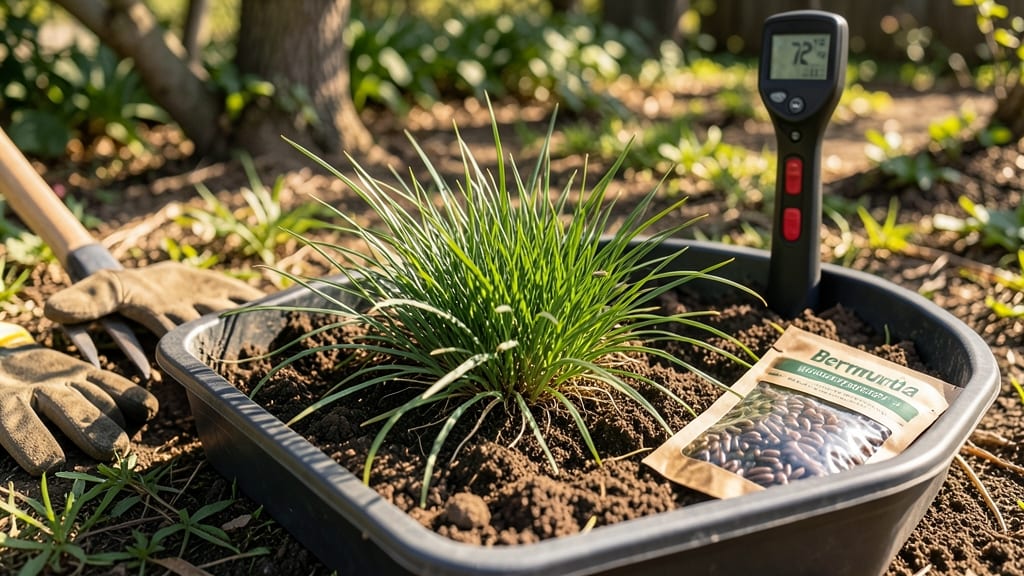
Planting Bermuda seed in Oklahoma at the right time means the difference between a lush, weed-free lawn and a patchy disappointment 🌱 — and the clock starts ticking after your last frost.
Oklahoma’s scorching summers and unpredictable spring rains can turn your Bermuda grass lawn into a battleground unless you plant at the perfect time for thick, resilient growth. Timing is everything, and missing the window by even a few weeks could mean thin grass, weeds, or wasted seed.
Most gardeners in Oklahoma’s 6b-8a zones should aim for late April to mid-May, when soil temperatures hit 65°F and all frost risk has passed. But there’s a trickier second window in late summer if you want to beat the heat and establish grass before winter sets in.
Below, I’ll break down the exact months for your region, soil prep secrets, and a week-by-week care schedule to ensure your Bermuda grass takes root fast and stays thick all season.
Optimal planting months for Bermuda seed in Oklahoma (by region)
Bermuda grass thrives in Oklahoma’s heat, but planting too early or late can spell disaster for your lawn. The perfect window depends on your region, with North Oklahoma needing earlier timing than South Oklahoma. Soil temperature—at least 65°F—is your best gauge, not just the calendar.
I’ll break down the ideal months for each zone, plus how to avoid common pitfalls like late spring rains or early summer drought.
Oklahoma’s three distinct regions—North (USDA Zone 6b-7a), Central (Zone 7a-7b), and South (Zone 7b-8a)North Oklahoma can still see frost in mid-April, while South Oklahoma may hit 90°F soil temps by early May.
Planting too soon in the north risks frost damage, while waiting too long in the south can trigger seed dormancy from heat stress.
Here’s the golden rule: Plant Bermuda seed when daytime highs are consistently above 70°F and nighttime lows stay above 55°F. In Oklahoma, this typically aligns with late April to mid-May, but regional tweaks are critical.
Use a soil thermometer—don’t guess!—and watch for last frost dates in your area.
Miss the window by even 2-3 weeks, and you’ll face uneven germination, weed competition, or seed washout from heavy rains. For instance, planting in early April in North Oklahoma risks a late frost, while planting in June may trigger dormancy before roots establish.
Let’s dive into the region-specific breakdown to nail your timing.
| Region | USDA Zone | Ideal Planting Window | Soil Temp Trigger | Key Risks to Avoid |
|---|---|---|---|---|
| North OK | 6b-7a | Late April - Early May | 65°F+ (daytime) | Late frost, slow warming |
| Central OK | 7a-7b | Mid-April - Late May | 68°F+ (daytime) | Unpredictable spring rains |
| South OK | 7b-8a | Early April - Mid-May | 70°F+ (daytime) | Early summer drought |
In North Oklahoma, aim for late April to early May when soil temps hit 65°F and frost risk drops below 10%. This region’s slower spring warming means rushing seed into cold soil can stunt germination.
I’ve seen lawns planted in early April here struggle with yellow patches until summer heat kicks in. Use a soil thermometer to confirm readiness—never plant before 65°F.
Central Oklahoma offers the most flexibility, with a mid-April to late May window. This zone benefits from warmer nights, reducing frost risk, but spring rains can delay planting. If you’re in Oklahoma City or Norman, watch for consistent 70°F+ days before seeding.
A pro tip: Pre-irrigate the soil 24 hours before planting to ensure moisture retention during germination.
For South Oklahoma, early April to mid-May is ideal, but act fast—soil can hit 80°F+ by June, triggering seed dormancy. Areas like Tulsa or Lawton often see drought conditions by late spring, so prioritize deep watering after planting.
I’ve had clients in this region plant in June only to see 50% germination failure due to heat stress.
If you miss the spring window, don’t despair—late summer replanting (late July to early August) is possible in South and Central Oklahoma. However, this requires extra care: shade cloth to protect seedlings from intense afternoon sun and daily watering until roots establish.
North Oklahoma’s shorter growing season makes late summer planting high-risk—stick to spring there.
Protect your investment by monitoring weather forecasts 10 days before planting
Signs your soil is ready for Bermuda seed (and what to do if it’s not)
Before you even think about scattering that Bermuda seed, your Oklahoma soil needs to meet three critical conditions: the right temperature, proper moisture levels, and good drainage. Skipping these checks can leave your seed sitting dormant or washing away during Oklahoma’s infamous spring downpours.
I’ve learned the hard way—planting too early in cool, wet soil means wasted seed and frustrated weekends spent raking up mud.
First, check your soil temperature—it must stay consistently above 65°F for at least a week before planting. Use a soil thermometer (they’re cheap!) to test 2-3 inches deep in the morning.
If it’s cooler, your seed won’t germinate, no matter how much you water. Oklahoma’s clay-heavy soils also love to hold onto moisture, which can suffocate seeds if not amended properly.
Here’s the kicker: even if your soil is warm, late spring rains can delay planting by weeks.
If you’re staring at a soggy lawn in May, don’t panic—just wait until the ground dries enough to crumble in your hands. Clay soils are tricky; they’ll compact if worked when wet, so test with your foot: if it leaves a deep imprint, hold off.
⚠️ Warning: Planting Too Early or Too Late in Oklahoma
Spring planting: If you plant before soil hits 65°F, seeds rot. If you wait past mid-May, summer heat stresses new shoots. Late summer window: August is your backup—soil warms again, but seeds must establish before first frost (Nov 15).
Clay soil fix: Mix in 2-3 inches of compost or sand to improve drainage. Never plant if soil is waterlogged—wait for it to dry to a slightly crumbly texture.
If your soil is too dry, water it deeply 24 hours before planting to create the perfect seedbed. Bermuda grass loves moisture but hates soggy roots, so aim for soil that’s damp like a wrung-out sponge.
For clay soils, add gypsum (not lime!) to break up compaction. I’ve seen neighbors swear by this trick—it works like magic for heavy Oklahoma clay.
One more pro tip: if you’re planting in full sun (which Bermuda demands), test for shade issues. Cast a shadow with a stick at noon—if it’s shorter than your hand, you’re golden.
Shady spots? Skip Bermuda; it’ll turn yellow and sparse. Oklahoma’s intense sun is your best friend here, but only if your soil is prepped right.
Ready to plant? Grab your seed, a rake, and a soil thermometer. Warm soil, even moisture, and good drainage = germination in 7-14 days. If your soil fails any of these checks, wait. Patience now means a lush lawn later—not a muddy mess.