
How To
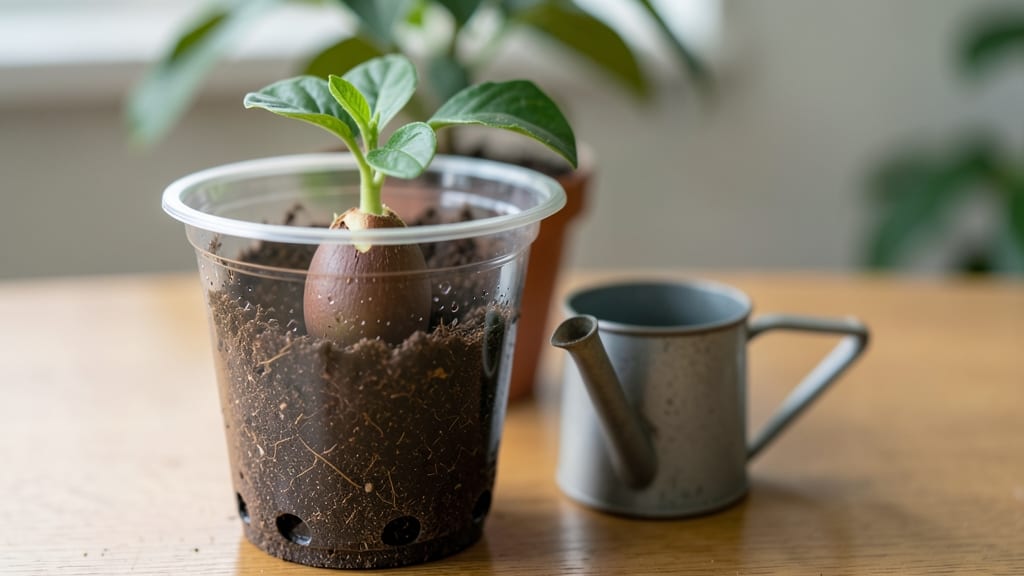
An avocado seed takes 2 to 6 weeks to sprout 🥑, but the exact timeline depends on your germination method and growing conditions — and yes, some seeds break that window entirely.
If you’ve ever placed a seed in water, only to stare at it for weeks waiting for the first crack of green, you know how frustratingly unpredictable this process can be.
The good news? With the right approach, you can cut that wait time and set your seedling up for success from day one.
Germination speed hinges on three key factors: moisture, temperature, and whether you’re using the classic water pit method or planting straight into soil. A seed kept in warm, consistently moist conditions will often sprout faster, but even the most patient gardener may see delays if their environment isn’t quite right.
Below, I’ll walk you through the exact timelines for each popular method, plus pro tips to troubleshoot slow starters and accelerate those first sprouts. Ready to turn that pit into a tree?
Avocado seed sprouting timeline by popular germination methods
Growing an avocado tree from a seed is one of the most satisfying gardening projects, but the real test begins when you wait for that first green sprout to emerge. The sprouting timeline varies dramatically depending on the germination method you choose.
Whether you're using the classic water pit method, soil planting, or alternative techniques, understanding these timelines helps set realistic expectations and troubleshoot delays.
Most avocado seeds take between 2 to 6 weeks to sprout, but this can stretch to 8 weeks or longer if conditions aren’t ideal. The key factors influencing speed include temperature, moisture levels, and even the health of your seed.
For example, a seed from a fresh, organic avocado will germinate faster than one that’s been stored for months. Let’s break down the timelines for the most popular methods so you can choose the best approach for your patience level and setup.
Comparison Table: Avocado Seed Sprouting Timelines
The water pit method is the most popular because it allows you to monitor root growth and transplant easily once the root reaches 2–3 inches.
On average, you’ll see sprouts in 3 to 6 weeks, but with ideal conditions—70–85°F temperatures and consistent moisture—some seeds sprout in as little as 2 weeks. The downside? If the water stales or the seed dries out, germination can stall or fail entirely.
For soil planting, the timeline is slightly longer—4 to 8 weeks—because the seed must first break through the soil surface. This method is best for those who want to skip the water pit stage and go straight to container gardening.
The key here is ensuring the soil stays moist but not waterlogged and planting the seed at the right depth (1–2 inches). If the seed is buried too deep, it may struggle to reach the surface.
If you’re short on space or want faster results, the paper towel method is a great alternative. By keeping the seed wrapped in a damp paper towel, you create a high-humidity environment that mimics tropical conditions.
Most seeds sprout in 2 to 4 weeks, and some even crack open in just 1 week if the seed is fresh and warm. However, this method requires daily checks to prevent mold or drying out.
Less common but equally effective is the peat pellet method, which combines the benefits of moisture retention and ease of transplanting. Peat pellets hold water well while providing aeration, making them ideal for seeds that need consistent humidity.
With this method, expect sprouts in 3 to 5 weeks, though some seeds may take longer if the pellets dry out too quickly.
Regardless of the method, temperature plays a critical role. Avocado seeds germinate best in warmer environments (70–85°F). If your home or garden is cooler, consider using a seedling heat mat or placing your setup near a sunny window.
Conversely, if temperatures exceed 90°F, germination can slow down or stop entirely due to stress on the seed.
Another factor to consider is seed health. A seed from a fresh, organic avocado will almost always outperform one that’s been stored for months. If you’re using a seed from a store-bought avocado, try soaking it in water for 2–3 days before starting the germination process.
This pre-treatment can jumpstart the process and reduce the overall
Why your avocado seed might take longer (or faster) to sprout
Avocado seeds are notorious for their unpredictable germination timelines. While most seeds sprout within 2 to 6 weeks, some take up to 12 weeks—or even longer—if conditions aren’t ideal.
The key lies in understanding the three major factors that influence speed: seed dormancy, environmental conditions, and the germination method you choose.
Even with the best intentions, a seed might sit stubbornly dormant for weeks if it’s still in its natural resting state. Avocado seeds often require a period of moisture and warmth to break dormancy, which explains why some seeds sprout faster when pre-soaked or planted in soil immediately.
The good news? You can control these variables to encourage faster growth.
⚠️ Common Pitfalls That Delay Sprouting
Cold temperatures (below 65°F) can stall germination for weeks or months. If your seed isn’t sprouting after 4 weeks, check your environment—avocado seeds thrive in warmth (70-85°F). Overly dry conditions or rot from excess moisture are also top culprits. Avoid these mistakes by monitoring your seed’s moisture and warmth daily.
One of the biggest misconceptions is that all avocado seeds germinate at the same pace. In reality, seed quality plays a huge role. A seed from a fresh, healthy avocado (like Hass or Fuerte varieties) will typically sprout faster than one from an old or store-bought fruit.
If you’re using a seed from a grocery store, it may have been harvested months ago, reducing its viability. For faster results, always use seeds from ripe, fresh avocados.
Your chosen germination method also impacts speed. The water pit method (keeping the seed in water) often yields sprouts in 2-4 weeks, while planting directly into moist soil can take 3-6 weeks.
The soil method mimics natural conditions, but it requires consistent moisture and warmth to avoid drying out. If you’re impatient, the water pit method is your best bet for faster visible progress.
Even with perfect conditions, some seeds simply take longer due to genetic variability. If your seed hasn’t sprouted after 6 weeks, don’t give up—it might just be a slow starter.
To encourage progress, try gentle warmth (like placing the jar near a sunny window) or lightly scratching the seed coat to help water penetrate. Patience is key, but these small adjustments can make a big difference.
On the flip side, some seeds sprout surprisingly fast—even in 1-2 weeks—if they’re from a high-quality, fresh seed and kept in ideal conditions. The secret? A combination of warmth, moisture, and oxygen.
If your seed is sprouting quickly, keep it in a bright, indirect light to prevent leggy growth. Avoid direct sunlight, which can scorch delicate sprouts.
Remember, every avocado seed is unique. While most follow the 2-6 week timeline, some may surprise you by sprouting in just 10 days or taking up to 3 months.
The key is to monitor, adjust, and stay patient. With the right care, your seed will eventually break through—and that first green sprout is worth the wait! 🌱