
Lawn
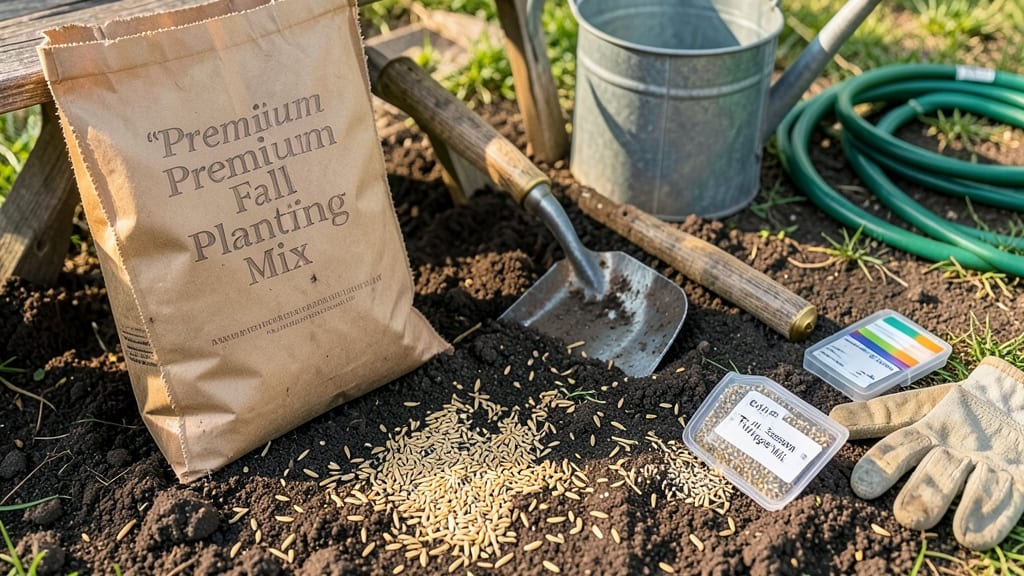
Planting lawn seed in October gives your grass a 6-week head start before winter dormancy — but the timing must be precise to avoid frost damage.
Picture this: You’ve spent hours tilling, seeding, and watering, only for a surprise freeze to halt germination. That’s why October is the sweet spot for cool-season grasses — the soil stays warm enough for roots to take hold, while cooler air slows weed competition.
In USDA Zone 6a (like much of the Midwest), aim to plant by mid-October, giving seeds 4-6 weeks to establish before the first frost. Too early, and weeds steal the show; too late, and your grass struggles to wake up in spring.
Below, I’ll break down the exact planting window by zone, the best grass types for fall, and how to prep your soil for maximum root growth before winter sets in.
Optimal October lawn seed planting timeline by USDA zone
October is the perfect window for planting cool-season grass seeds because mild temperatures and increased rainfall create ideal germination conditions. However, the exact timing depends on your USDA hardiness zone—plant too early, and weeds outcompete your grass; too late, and frost halts growth.
Let’s break down the optimal planting dates by zone to maximize your lawn’s success.
Northern zones (3-5) experience earlier frosts, so you’ll need to plant 4-6 weeks before the first frost date. Southern zones (7-10) can extend planting later into October, but avoid seeding when daytime highs exceed 80°F.
Use your local frost date calculator (like the National Weather Service) as your guide.
| USDA Zone | First Frost Date | Optimal Planting Window | Key Considerations |
|---|---|---|---|
| 3-4 | Mid-September | Early to mid-October | Cold-hardy grasses like tall fescue thrive; use frost cloth if nights dip below 40°F. |
| 5-6 | Late September to early October | Mid-October (avoid after October 15) | Mix Kentucky bluegrass and fine fescue for resilience; water deeply if drought follows planting. |
| 7-8 | Mid to late October | Late October (up to October 31) | Warm-season grasses like Bermuda won’t survive; stick to ryegrass or tall fescue. |
| 9-10 | Late November | Early October (finish by October 15) | Minimal frost risk; prioritize shade-tolerant varieties like shadow fescue. |
In USDA zones 3-4, aim to plant by October 15 to give seeds time to germinate before temperatures drop below 50°F at night. Use a soil thermometer to confirm the ground stays above 55°F—seeds won’t sprout in colder soil.
For zones 5-6, extend planting to October 20, but monitor weather forecasts for sudden cold snaps.
Southern zones (7-10) offer flexibility, but avoid planting after October 15—high daytime temperatures can stress seeds. If you’re in Zone 10, where frost is rare, focus on early October to capitalize on autumn rains.
Always choose cool-season grasses like tall fescue or perennial ryegrass for these regions.
Pro tip: Check your local extension office for hyper-local adjustments. For example, Michigan (Zone 5) may need earlier planting than New York (Zone 6) due to earlier frosts. Adjust your timeline by 1-2 weeks if your area has a reputation for unpredictable weather.
Once you’ve nailed the planting window, focus on soil prep—loosen the top 2-3 inches of soil and mix in compost to improve drainage. Cool-season grasses need 6-8 hours of sun, so avoid shady spots unless you’re planting shade-tolerant fescue.
After seeding, lightly rake the soil to ensure seed-to-soil contact.
Watering is critical in October—keep the soil consistently moist (not soggy) for the first 2-3 weeks post-planting. Use a sprinkler with fine mist to avoid displacing seeds. In drier zones (7-10), water daily in the morning until germination occurs, then taper to every other day.
By following your zone-specific timeline, you’ll give your lawn a competitive edge over weeds and ensure robust root growth before winter dormancy. Start early, stay consistent with care, and you’ll wake up to a greener lawn next spring.
Best cool-season grass types for October planting
October’s mild temperatures make it ideal for planting cool-season grasses, but not all varieties thrive equally in fall.
The right choice depends on your climate zone, sunlight exposure, and maintenance preferences. Kentucky bluegrass, tall fescue, and perennial ryegrass are the top performers for October seeding, each offering unique benefits like drought tolerance or shade adaptability.
For northern climates (Zones 3-6), Kentucky bluegrass and fine fescue blend well, while tall fescue dominates in southern regions (Zones 7-10) due to its heat tolerance. If your lawn gets less than 4 hours of sun, shade-tolerant fescue varieties are your best bet.
Let’s compare the top three options to help you pick the perfect match for your yard.
🌱 Cool-Season Grass Comparison
Kentucky Bluegrass
- Pros: Fast germination, dense growth, recovers well from wear
- Cons: Needs full sun, high water needs, vulnerable to drought
✅ Best for: Full sun lawns in Zones 3-8
Tall Fescue
- Pros: Drought-resistant, shade-tolerant, low maintenance
- Cons: Slower germination, coarser texture than bluegrass
✅ Best for: Dry climates or partial shade in Zones 4-9
Perennial Ryegrass
- Pros: Fastest germinator, great for overseeding, handles traffic
- Cons: Short lifespan, needs frequent mowing, weak in heat
✅ Best for: Quick cover or high-traffic areas in Zones 5-9
If you’re in USDA Zone 6a (like much of the Midwest), I recommend mixing Kentucky bluegrass with tall fescue for a balance of density and drought resistance. For shady lawns, opt for fine fescue blends—they tolerate 2-4 hours of sun and stay green longer in low light.
In southern zones (7-10), tall fescue alone is often the best choice due to its heat tolerance.
For drought-prone areas, tall fescue or fine fescue are your best bets—they develop deep roots that access moisture 6-12 inches below the surface. If your lawn gets foot traffic (like kids’ play areas), add perennial ryegrass to the mix—it recovers faster than other grasses after wear.
Just be prepared to mow it more frequently.
Pro tip: Always check the seed label for cool-season grass percentages. A high-quality blend will list 70-90% Kentucky bluegrass or tall fescue, with the rest being ryegrass for quick cover.
Avoid cheap mixes with more than 20% annual ryegrass—it’s a winter annual that dies in summer, leaving you with bare spots.
After choosing your grass, prep the soil by loosening the top 2-3 inches and adding compost to improve drainage. For shade-tolerant varieties, avoid tilling too deeply—fescue roots prefer loose, topsoil contact.
Once seeded, keep the soil consistently moist (not soggy) for 2-3 weeksthicker, greener lawn by spring.