
How To
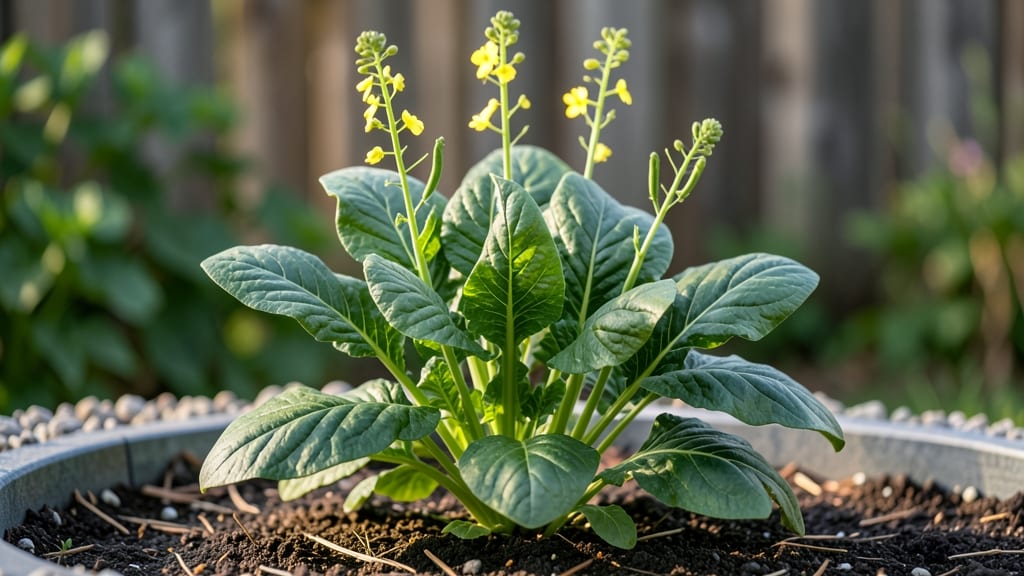
A mustard seed can grow into a how tall can a mustard seed grow plant that reaches heights of 10 feet or more, depending on the variety and growing conditions.
Imagine planting a tiny mustard seed and watching it transform into a towering green giant—some varieties of mustard plants can grow up to 10 feet tall, creating a dramatic vertical display in your garden.
But not all mustard plants reach this height, and their growth depends on variety, care, and growing conditions.
Most common types, like leaf mustard, stay between 1 and 3 feet, perfect for home gardens in USDA Zone 6a. However, ornamental varieties or certain seed mustards can stretch much taller, especially with the right soil, sunlight, and spacing.
In this guide, you’ll discover which mustard varieties hit those 10-foot heights, how to encourage maximum growth, and the common mistakes that keep plants short—so you can grow the mustard greens or seeds you’ve always wanted.


Mustard plant varieties and their maximum heights (from dwarf to giant)
Mustard plants (Brassica spp.) come in a stunning range of heights, from compact varieties perfect for container gardens to towering giants that can reach 10 feet tall or more. The height of your mustard plant depends entirely on its variety, growing conditions, and care.
Some varieties like Oriental mustard (Brassica juncea) are bred for their height, while others like leaf mustard stay much shorter. Even within the same species, spacing, sunlight, and soil quality can dramatically influence how tall your plants grow.
If you're dreaming of a dramatic vertical display in your garden, certain ornamental mustard varieties—like Ethiopian mustard (Brassica carinata)—can become true giants. These varieties aren't just for show; they also attract pollinators and add striking texture to landscapes.
However, not all mustard plants are created equal. Leaf mustard varieties, for example, are typically harvested young and rarely grow taller than 2 feet. Understanding these differences will help you choose the perfect variety for your space and goals.
Below is a breakdown of mustard plant varieties, their typical heights, and which ones can reach 10 feet or taller. Whether you're growing mustard for greens, seeds, or ornamental purposes, this guide will help you plan your garden layout and care routine accordingly.
| Variety | Common Name | Max Height | Growth Habit | Best For |
|---|---|---|---|---|
| Brassica juncea | Oriental Mustard | 8–10 ft | Tall, upright | Ornamental, seed production |
| Brassica carinata | Ethiopian Mustard | 6–10 ft | Tall, bushy | Ornamental, pollinator attraction |
| Sinapis alba | White Mustard | 3–5 ft | Medium, branching | Seed production, greens |
| Brassica rapa | Leaf Mustard | 1–2 ft | Compact, bushy | Greens, microgreens |
| Brassica nigra | Black Mustard | 4–6 ft | Tall, slender | Seed production, condiments |
The Oriental mustard (Brassica juncea) and Ethiopian mustard (Brassica carinata) are the true giants of the mustard family, capable of reaching 10 feet tall under ideal conditions. These varieties are often grown as ornamentals for their striking height and bold foliage.
If you're aiming for a dramatic vertical element in your garden, these are the varieties to plant. However, they require ample space, full sun, and rich soil to achieve their maximum height.
For those with smaller gardens, leaf mustard (Brassica rapa) is a great choice. These varieties stay compact, typically reaching only 1–2 feet tall, making them perfect for containers or small plots. They’re also harvested young for their tender leaves, so their height is rarely a concern.
If you're growing mustard for seeds or condiments, varieties like white mustard (Sinapis alba) or black mustard (Brassica nigra) strike a balance, growing 3–6 feet tall while still being manageable in most garden layouts.
One common misconception is that all mustard plants grow tall and require the same care. In reality, dwarf varieties are bred specifically for smaller spaces, while taller varieties need room to stretch vertically.
If you're planting mustard for the first time, start with a medium-height variety like white mustard to get a feel for the plant’s growth habits before attempting a 10-foot giant. This will help you gauge spacing and care requirements more effectively.
When planning your garden, consider the maturity timeline of your chosen mustard variety. Tall varieties like Ethiopian mustard can take 60–90 days to reach their full height, while dwarf leaf mustard may mature in as little as 30–45 days.
This difference affects not only your garden layout but also your harvesting schedule. For example, if you're growing mustard for both greens and seeds, you may need to plant multiple varieties with staggered maturity dates to ensure a continuous harvest.
To encourage maximum height in your mustard plants, focus on providing well-draining soil, consistent moisture, and full sunlight. Tall varieties like Oriental mustard benefit from staking or trellising to support their weight and prevent toppling.
Without proper support, even the tallest mustard plants can become leggy or flop over, especially in windy conditions. If you're growing mustard in a windy area, consider planting it near a windbreak or fence to protect it from damage.
In colder climates, mustard plants are typically grown as annuals, meaning they complete their life cycle in one season. However, in warmer regions, some varieties may self-seed and return the following year.
If you're aiming for a perennial mustard display, choose a tall, ornamental variety like Ethiopian mustard and allow it to go to seed. The seeds will drop naturally, potentially producing new plants in subsequent seasons—though they may not reach the same height as the parent plant.
Whether you're growing mustard for food, seeds, or simply for
How to grow a tall mustard plant: soil, sunlight, and care tips
To grow a mustard plant that reaches its maximum height—sometimes 10 feet tall—you need to focus on three key factors: soil quality, sunlight exposure, and proper spacing.
These conditions create the ideal environment for varieties like Brassica juncea or Brassica carinata to stretch toward the sky. Without them, even the tallest varieties will stay stunted.
Start with well-draining soil rich in organic matter, like compost or aged manure. Mustard plants thrive in loamy soil with a pH between 6.0 and 7.5. Amend heavy clay or sandy soil with compost or peat moss to improve structure and nutrient retention.
This foundation ensures your plants have the energy to grow vertically.
🌱 Key Steps to Maximize Mustard Plant Height
- Choose a full-sun location with 6+ hours of direct sunlight daily to fuel rapid vertical growth.
- Space seeds 12-18 inches apart in rows 2 feet apart to prevent overcrowding, which stunts height.
- Water deeply 2-3 times per week, keeping soil consistently moist but not waterlogged.
- Apply a balanced fertilizer (5-10-10) every 4-6 weeks during the growing season for strong stems.
- Prune lower leaves regularly to redirect energy upward and encourage taller growth.
Sunlight is non-negotiable for tall mustard plants. Place your garden in a spot with full sun exposure—at least 6 hours of direct sunlight daily. Varieties like ornamental mustard or seed mustard will bolt (flower prematurely) if deprived of light, halting their vertical growth.
If growing in containers, position them on a south-facing windowsill or use grow lights for 12-14 hours per day.
Spacing is another critical factor. Crowded plants compete for nutrients and sunlight, leading to short, weak stems. For tall varieties, space seeds 12-18 inches apart in rows 2 feet apart. This gives roots room to spread and stems room to grow upward.
If you’re growing mustard for greens or seeds, wider spacing ensures better airflow, reducing the risk of fungal diseases that can weaken plants.
Watering mustard plants requires balance. Overwatering leads to root rot, while underwatering causes stress and stunted growth. Aim for 1-1.5 inches of water per week, delivered deeply 2-3 times per week.
Water in the early morning to allow foliage to dry quickly, preventing fungal infections. Mulch around the base with straw or wood chips to retain moisture and regulate soil temperature, which supports steady growth.
To encourage even taller growth, practice selective pruning. Pinch off the topmost buds when plants reach 6-12 inches tall to promote bushier growth. For varieties like Brassica juncea, remove lower leaves regularly to redirect energy upward.
Avoid heavy pruning late in the season, as this can reduce seed production if that’s your goal. With these care tips, your mustard plants can reach their full 10-foot potential! 🌿