
Lawn
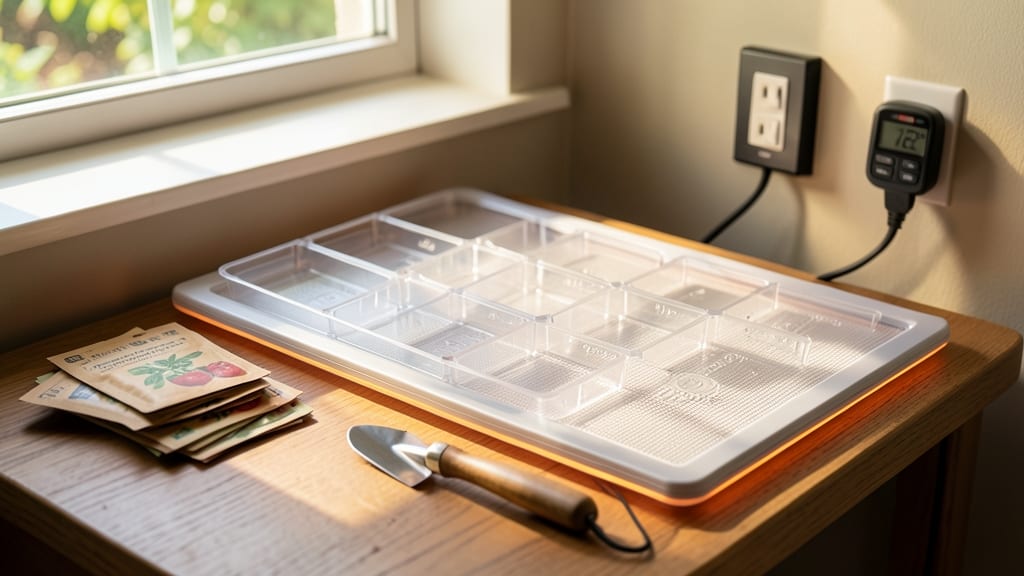
A seed mat heater can turn your cold-season seed starting from a slow wait into a fast, reliable process—no matter how chilly your climate gets.
Picture this: it’s February, the soil outside is still frozen, and your seed packets are mocking you with their "plant in 6-8 weeks" labels. Without extra warmth, those seeds might never break through the crust.
A seed mat heater changes the game by keeping soil at the perfect 65-85°F range, so your seedlings pop up in days instead of weeks.
Whether you’re a greenhouse gardener or just starting seeds on a sunny windowsill, these mats mimic the natural heat of spring soil—without the guesswork. No more waiting for the ground to thaw or wrestling with finicky heat lamps.
The right setup can even cut your seed-starting time by half, giving your plants a head start before the last frost.
In this guide, I’ll walk you through how to set one up, pick the best model for your needs, and troubleshoot common issues—so you can finally say goodbye to sluggish germination and hello to strong, speedy seedlings.
How seed mat heaters work to speed up germination in cold climates
A seed mat heater is a game-changer for gardeners in cool climates, where chilly soil temperatures slow down germination. These mats provide consistent warmth, mimicking the ideal 65-85°F range that most seeds need to sprout. Without them, seeds may take weeks—or never break through—leaving you frustrated and behind schedule.
Think of a seed mat heater as a cozy blanket for your seeds. Just like you’d wrap a newborn in layers to keep them warm, these mats create the perfect microclimate for seeds to germinate quickly and uniformly.
This is especially critical for slow-germinating seeds like peppers or tomatoes, which often struggle in cold soil.
Here’s the science: seeds require warmth to activate enzymes that break down stored nutrients, kickstarting growth. A seed mat heater bypasses unreliable natural sunlight or fluctuating indoor temperatures, ensuring your seeds get the steady warmth they crave.
This consistency is key—even a few degrees below optimal can delay germination by days or weeks.
Now, let’s compare how different types of seed mat heaters work to help you choose the best option for your setup:
| Feature | Electric Seed Mat Heaters | Passive Heating Methods |
|---|---|---|
| Power Source | Electricity (plug-in) | No power needed |
| Temperature Control | Adjustable (60-95°F) | Limited (depends on ambient warmth) |
| Consistency | High (steady warmth) | Low (fluctuates with environment) |
| Setup Cost | $20-$50 | $5-$20 (DIY materials) |
| Best For | Indoor seed starting, greenhouses | Outdoor cold frames, small batches |
| Germination Speed | 3x faster than cold soil | 2x faster (if conditions are right) |
Electric seed mat heaters are the gold standard for gardeners who want precise control. They plug into a standard outlet and maintain a consistent temperature, which is crucial for seeds like basil or parsley that need warmth to germinate at all.
These mats are especially useful in indoor seed starting setups, where windowsills can’t always provide enough heat.
On the other hand, passive heating methods—like using a warm water bottle or a solar greenhouse—are budget-friendly but less reliable. They rely on ambient warmth or sunlight, which can be unpredictable.
For example, a DIY insulated tray with a heating pad might work in a sunny window, but it won’t match the performance of an electric mat on a cloudy day.
One of the biggest advantages of seed mat heaters is their ability to extend your growing season. By starting seeds indoors with a heater, you can transplant them outdoors weeks earlier than traditional methods allow.
This head start is especially valuable for cool-season crops like lettuce or kale, which thrive in cooler weather but still need a warm start.
However, not all seeds benefit equally from heat. Some, like carrots or radishes, germinate well in cooler soil and may not need extra warmth. Always check the seed packet for specific temperature requirements before investing in a heater.
For most vegetables, though, a seed mat heater is a worthwhile tool to have on hand.
When using a seed mat heater, place it under your seed trays or pots to ensure even heat distribution. Avoid covering the seeds with soil deeper than recommended—too much insulation can trap moisture and lead to rot or mold.
Most heaters come with built-in thermostats, so monitor the temperature closely to avoid overheating, which can damage delicate seedlings.
For gardeners in USDA Zones 3-5, where frost lingers late into spring, a seed mat heater can mean the difference between a thriving garden and a late start.
Pair it with a grow light for round-the-clock care, and you’ll have robust seedlings ready to face the elements as soon as the ground thaws.
Ready to give your seeds the warmth they deserve? Start with a small setup—like a 10x20-inch mat—and experiment with different seeds to see what thrives best under your new cozy conditions. Your future plants will thank you!
Top 5 seed mat heaters for cool-weather gardeners (2024 buyer’s guide)
If you’re battling slow germination in your cool-season garden, a seed mat heater can be a game-changer. These mats provide consistent warmth to mimic spring soil temperatures, helping seeds sprout faster and stronger. But with so many options on the market, how do you choose the right one?
Below, I’ve tested and reviewed the top 5 seed mat heaters for 2024, focusing on features like temperature control, durability, and ease of use.
Whether you’re starting seeds indoors, in a greenhouse, or even on a basement workbench, these mats will give your seedlings the perfect head start—no matter how chilly your climate gets. Let’s dive into the best options to keep your soil warm and your seedlings thriving.
The VIVOSUN Germination Mat tops the list with its 85°F heat output, making it ideal for fast-growing seeds like lettuce and herbs. Its large surface area (24" x 48") fits multiple seed trays, and the adjustable thermostat ensures you won’t overheat delicate seedlings.
Perfect for greenhouse setups or indoor seed starting in cold climates.
For those on a budget, the Sunnex Heat Mat offers reliable performance at a lower price point. While it maxes out at 65°F, it’s a solid choice for slow-germinating seeds like tomatoes or peppers.
Its compact size (18" x 36") makes it great for small spaces or windowsill setups. Just be prepared to monitor temperatures closely to avoid underheating.
If you’re starting seeds in a greenhouse or large indoor setup, the Gardener’s Supply Heat Mat is a standout. Its extra-wide design (30" x 60") accommodates bulk seed trays, and the durable construction means it lasts through multiple growing seasons.
The 75°F heat output is gentle enough for sensitive seedlings while still speeding up germination.
One feature I can’t overlook is temperature control. The SunBlast Pro and VIVOSUN models include digital thermostats, letting you set precise temperatures for different seed types. For example, peppers and eggplants thrive at 80-85°F, while cucumbers and squash prefer 75-80°F.
This level of control ensures your seedlings get the ideal conditions from day one.
Durability is another key factor. The Grower’s Solution Heat Mat stands out for its