
Propagation
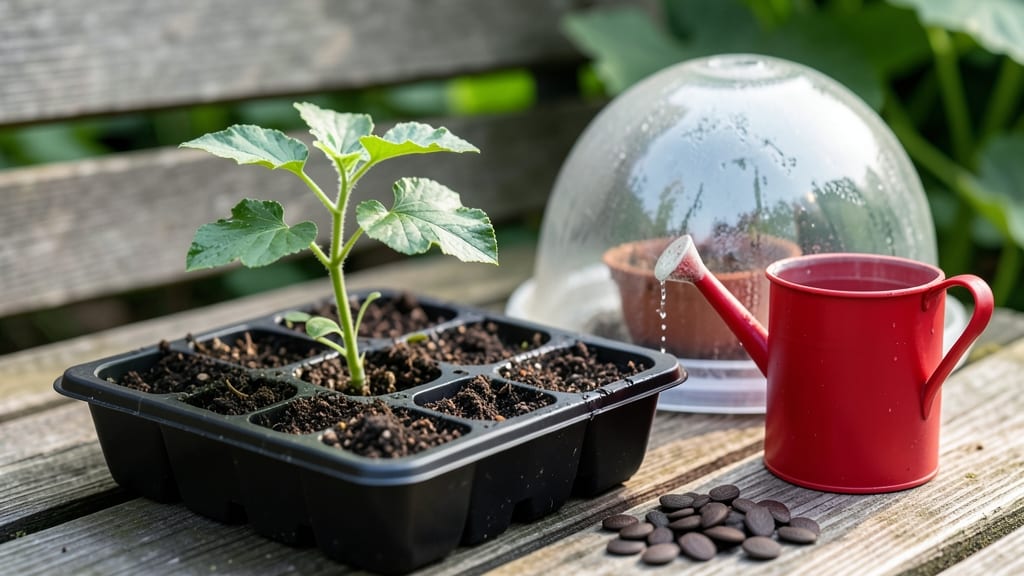
Watermelon seeds typically germinate in the germination time of 5 to 14 days when soil conditions are just right — but if yours are taking longer, you might be missing a key trick.
Struggling to get those first green shoots? The secret often lies in soil temperature, which most gardeners overlook. A few simple adjustments can cut germination time in half and give you stronger, healthier starts.
In this guide, I’ll break down the ideal conditions for fast sprouting, including how to maintain the perfect soil warmth without overcomplicating things. You’ll also learn how to troubleshoot slow germination and avoid common mistakes that waste weeks of waiting.
Whether you’re planting in Zone 6a or starting indoors, these tips will help you speed up your watermelon’s journey from seed to vine — and set you up for a bountiful harvest.
Watermelon seed germination time: ideal conditions for faster sprouting
Watermelon seeds typically sprout within 5 to 14 days under ideal conditions, but many gardeners struggle with slow or uneven germination. The key lies in replicating the warm, moist environment watermelons prefer in their native tropical climates.
With the right soil temperature, moisture balance, and planting depth, you can cut germination time in half and ensure stronger seedlings.
Most watermelon varieties need soil temperatures between 60°F and 90°F (15°C to 32°C) to germinate efficiently. Below 60°F, germination slows dramatically, sometimes taking 3+ weeks or failing entirely. Above 90°F, seeds may sprout too quickly, leading to weak, leggy seedlings. Finding that sweet spot is crucial for success.
Moisture is equally critical—watermelon seeds need consistent dampness but must avoid waterlogging. Overwatering can suffocate seeds, while inconsistent moisture triggers uneven sprouting. Aim for evenly moist soil (not soggy) by watering gently at the soil surface and covering containers to retain humidity.
Here’s how these factors interact to create the perfect germination environment:
For fastest results, combine these conditions with fresh, high-quality seeds. Older seeds (over 2 years) may germinate poorly, so test viability by soaking seeds in warm water—those that sink are likely viable. Once you’ve achieved the right microclimate, germination becomes predictable and reliable.
After sprouting, thin seedlings to 12–18 inches apart to prevent competition. Watermelons need space to thrive, and overcrowding stresses young plants, reducing yield. If you’re starting indoors, transplant seedlings outdoors only after the last frost and soil temperatures stabilize above 70°F.
One common misconception is that watermelon seeds need direct sunlight to germinate. In reality, seeds sprout best in darkness—light exposure after germination is what matters.
Keep seed trays in a warm, dark location until sprouts emerge, then move them to bright, indirect light for 1–2 weeks before full sun.
To troubleshoot slow germination, check your soil temperature with a thermometer—cold soil is the #1 culprit. If your garden soil isn’t warm enough, consider using black plastic mulch or a DIY mini greenhouse (clear plastic dome over trays) to trap heat. This can shave off 3–5 days from germination time.
Once your watermelon seedlings reach 2–3 inches tall, they’ll be ready for their forever home in the garden. But the foundation for success starts with those first critical days of germination—nurture your seeds right, and you’ll be feasting on homegrown watermelons in no time. 🍉
Soil temperature tricks to speed up watermelon seed germination
Watermelon seeds need soil temperatures between 70-90°F to germinate quickly, but early spring or cooler climates can leave your seeds waiting weeks for warmth. The good news?
You don’t need a greenhouse budget to create ideal conditions. Simple tools like heat mats or black plastic mulch can mimic summer soil warmth in just days.
For gardeners in Zone 6a, where soil warms slowly, these tricks are game-changers. A DIY greenhouse setup with clear plastic domes or even a repurposed aquarium can raise temperatures by 10-15°F, cutting germination time from 14 days to just 5-7 days.
The key is consistency—watermelon seeds won’t sprout reliably if soil temps dip below 60°F.
| Method | Germination Time | Cost | Ease of Use |
|---|---|---|---|
| Natural Sunlight (Outdoor) | 10-14 days | $0 | Easy (wait for warm soil) |
| Black Plastic Mulch | 7-10 days | $5-$10 | Moderate (requires setup) |
| Heat Mat (Indoor) | 5-7 days | $15-$25 | Easy (plug-and-play) |
| DIY Greenhouse (Plastic Dome) | 6-9 days | $3-$8 | Moderate (requires assembly) |
If you’re starting seeds indoors, a heat mat is my top recommendation. These electric mats sit under seed trays and maintain a steady 75-85°F, which is perfect for watermelons.
For outdoor gardeners, black plastic mulch is a budget-friendly hack—it absorbs sunlight and warms soil by up to 10°F faster than bare earth.
Troubleshooting cold soil? First, check your soil thermometer—if temps are below 60°F, your seeds may never sprout. For a quick fix, cover the soil with a clear plastic sheet during the day to trap heat, then remove it at night to prevent overheating.
This mimics the greenhouse effect without the full setup.
For indoor vs. outdoor germination, timing matters. Indoors, you can start seeds 4-6 weeks before your last frost date, using heat mats to speed things up. Outdoors, wait until soil reaches 70°F consistently—this usually aligns with late spring in most regions.
Patience pays off, but these tricks ensure your watermelon seeds don’t waste time in cold soil.
Once your seeds sprout, keep the soil warm and moist to prevent leggy seedlings. Transplant outdoors only after nighttime temps stay above 55°F, and your vines will thank you with vigorous growth.