
Plants
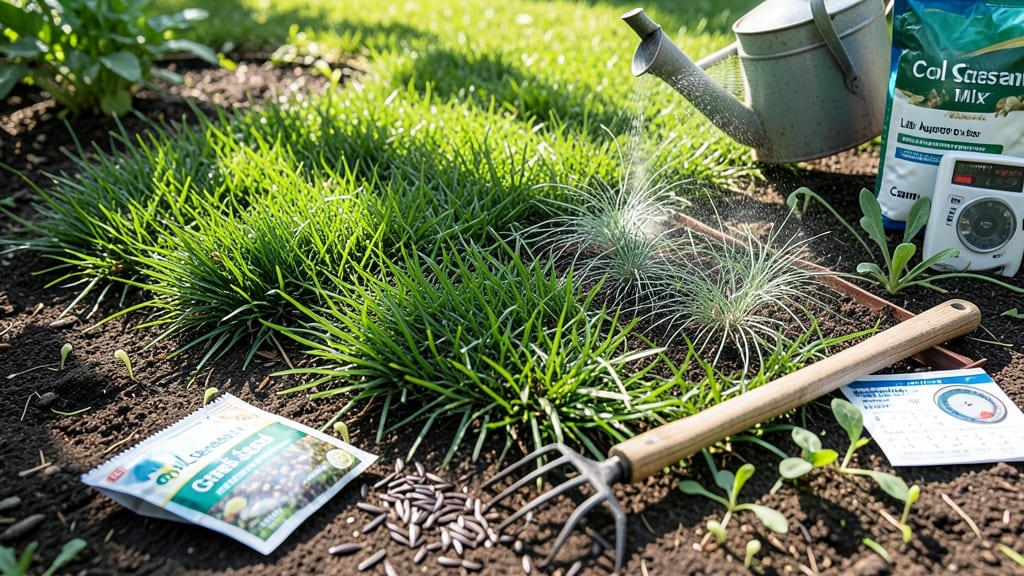
Planting grass seed in Michigan too late risks frost damage and a patchy lawn next spring — the last safe window depends on your zone and frost dates.
Michigan’s unpredictable fall weather can turn a late grass-seeding attempt into a costly mistake unless you know the exact frost-date deadlines by zone. Planting too late means winter kill, wasted seed, and a patchy lawn next spring.
In USDA Zones 5b-6b, most regions should finish seeding by mid-September to give seedlings time to establish roots before the first frost. Southern Michigan has a slightly later cutoff, while northern areas may need to start even earlier.
Below, I break down the zone-by-zone deadlines, signs you’ve missed the window, and how to extend your planting season with cold-hardy varieties and mulching tricks.
Michigan’s grass seed planting deadlines by USDA Hardiness zone (with frost date maps)
Michigan’s USDA Hardiness Zones 4b-6a create dramatic differences in frost timing—up to 3 weeks between northern and southern regions. In Zone 4b (Upper Peninsula), the first frost can arrive as early as September 15, while Zone 6a (southern Michigan) often holds off until October 20.
These deadlines determine whether your grass seed gets 4-6 weeks to establish roots before winter dormancy.
Missed deadlines don’t mean failure—just strategic adjustments. Cold-hardy varieties like Midnight Kentucky Bluegrass can survive late planting if soil temps stay above 50°F for 2 weeks. But Tall Fescue and Fine Fescue need earlier starts.
The key? Local frost data from Michigan State University’s Enviro-Weather tool, which predicts your exact first frost date with 90% accuracy.
Pro Tip: Use the 50°F soil temperature rule—grass seed won’t germinate below this threshold. Check with a soil thermometer or MSU’s real-time soil maps. Planting when soil temps dip below 50°F wastes seed and money.
| USDA Zone | Avg. First Frost | Latest Safe Planting | Soil Temp Threshold | Risk Level |
|---|---|---|---|---|
| Zone 4b (UP, Northern MI) | Sep 15–25 | Aug 15–Sep 5 | 50°F+ for 2+ weeks | ⚠️ High (short window) |
| Zone 5a (Traverse City, Gaylord) | Sep 25–Oct 5 | Aug 20–Sep 15 | 50°F+ for 2+ weeks | ⚠️ Moderate |
| Zone 5b (Grand Rapids, Lansing) | Oct 5–15 | Aug 25–Sep 25 | 50°F+ for 3+ weeks | ✅ Low (best window) |
| Zone 6a (Detroit, Ann Arbor) | Oct 15–25 | Sep 1–Oct 10 | 50°F+ for 3+ weeks | ✅ Low (extended season) |
📌 Note: Adjust dates 1–2 weeks earlier for shaded lawns or 1–2 weeks later for south-facing areas.
For Zone 4b gardeners, the August 15 deadline is non-negotiable—any later and frost will kill tender seedlings.
But in Zone 6a, you’ve got until October 10 to plant, thanks to later frosts. Pro Tip: Use MSU’s interactive frost map to pinpoint your exact 10-year frost average—some areas in southern Michigan push deadlines to October 15.
Don’t rely on calendar dates alone—soil temperature is your true guide. Fine Fescue germinates at 45°F, while Kentucky Bluegrass needs 55°F+. Check temps 2 inches deep (where roots form) using a digital soil thermometer. If temps drop below 50°F for 3+ days, germination stalls.
Late-season planting? Mulch heavily with straw or peat moss (¼ inch thick) to insulate seeds. This buys 1–2 extra weeks before frost. Pair it with a cold-hardy mix like ‘Barlexas’ Tall Fescue, which tolerates 20°F temps. Water deeply (1 inch per week) until snow cover arrives.
Need real-time alerts? Bookmark MSU Enviro-Weather (msuenviroweather.msu.edu) for hyperlocal frost forecasts. Enter your ZIP code to see 3-day soil temp predictions—critical for your last-minute planting decisions. Example: If your area shows 48°F soil temps on September 20, hold off until October for spring planting.
Remember: Spring planting (after last frost) is always safer, but fall seeding gives grass 6–8 weeks to establish before winter. Zone 5b-6a gardeners have the best of both worlds—two planting windows per year. Use this zone-specific
5 Signs you’ve missed the grass seed planting window in Michigan (and what to do next)
If your grass seed isn’t sprouting within 14–21 days of planting, you may have missed Michigan’s ideal window. Cool soil temperatures and early frosts can stall germination, leaving you with patchy lawns or wasted seed.
I’ve planted grass too late myself—here’s how to spot the warning signs before it’s too late.
Michigan’s USDA Zones 4b–6a have strict deadlines: soil temperatures below 50°F (10°C) and frost risks within 4–6 weeks signal it’s time to pause seeding. Southern Michigan has a slightly longer window, but northern regions must act earlier.
Below are the red flags that mean you’ve missed the boat—and what to do instead.
- 🌡️ Soil temp drops below 50°F – Grass seed needs consistent warmth to germinate. Use a soil thermometer to check before planting.
- 🌱 No sprouts after 3 weeks – If seeds aren’t breaking soil in 14–21 days, frost or dry soil may have killed them.
- 🌬️ Frost predicted within 4 weeks – Seedlings need 4–6 frost-free weeks to establish roots before winter.
- 🌿 Weeds sprouting instead of grass – Late planting lets annual weeds outcompete slow-growing grass seed.
- ❄️ First frost hits before roots form – Grass needs 3–4 inches of root depth to survive winter.
If you’ve spotted these signs, don’t panic. Overseeding in spring is your best bet—plant cold-hardy varieties like Tall Fescue or Perennial Ryegrass for faster establishment. For immediate fixes, apply a light mulch (like straw) to protect existing seeds from frost.
For next year, mark your calendar: Southern Michigan should finish seeding by late September, while Northern Michigan needs to wrap up by mid-August. Use Michigan State University’s frost date maps to plan ahead—link in the resources section below.
Remember, spring planting is always an option. Start seeds indoors in March or sow directly after the last frost date (typically mid-April to early May). With the right timing, you’ll avoid the heartache of wasted seed and patchy lawns.