
How To
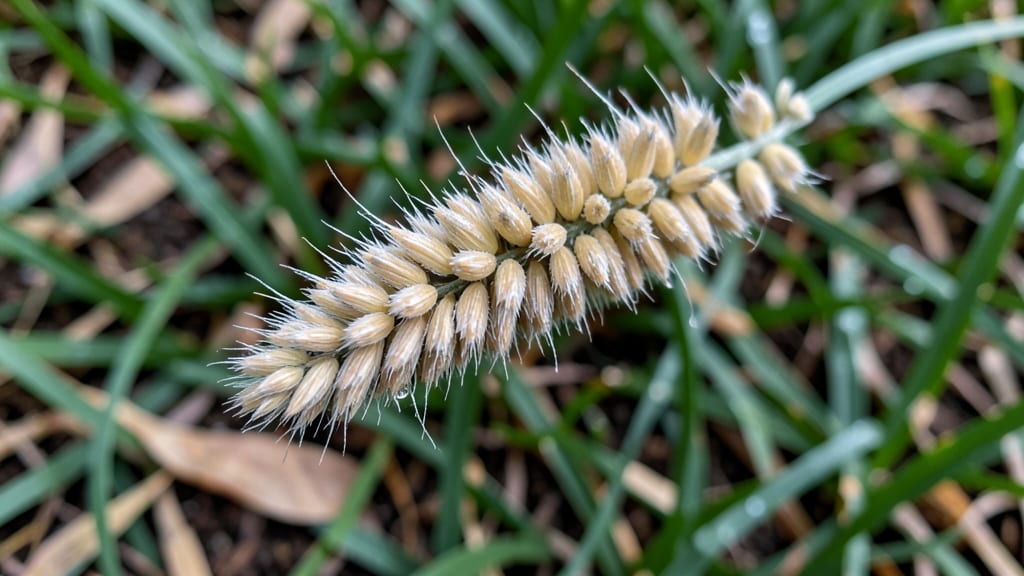
Planting centipede grass seed in Florida at the right time means the difference between a lush, low-maintenance lawn and a slow, patchy mess that weeds take over.
Picture this: you’ve spent hours preparing your soil, only to watch your seeds sprout unevenly or fail entirely because you planted too early or too late. The key? Timing it when Florida’s heat and humidity work with you—not against you.
Most gardeners assume "spring" is the answer, but centipede grass thrives best when soil temperatures hit 75-85°F—a window that opens in late May or June across the state’s 8a-11 zones. Too soon, and your seeds risk cold shock; too late, and drought or summer storms can wash them away.
In this guide, I’ll break down the exact 4-week window that works for Florida’s climate, plus soil prep tricks and regional tweaks to ensure your centipede grass takes root fast and stays weed-free all season.
Florida’s ideal centipede grass planting window: months, temperatures & rainfall secrets
Timing is everything when planting centipede grass seed in Florida. Unlike northern states, Florida’s humid subtropical climate creates a narrow 4-week window where soil temperatures, rainfall, and humidity align perfectly for germination success.
Miss this window, and you risk patchy growth or weed invasion—common mistakes even experienced Florida gardeners make.
Centipede grass thrives when soil temperatures hover between 75-85°F, which typically occurs in late May through July. This heat-loving grass struggles below 65°F or above 90°F, making early spring or late summer planting risky. The key? Plant when rainfall patterns support consistent moisture without drowning the seed.
North Florida (USDA zones 8a-9a) has a slightly earlier window—late May to early June—while South Florida (zones 10a-11) can extend planting into mid-July. The difference? Cooler coastal breezes in North Florida delay ideal soil temps by 1-2 weeks compared to inland heat.
| Factor | Ideal Range | Florida-Specific Tip |
|---|---|---|
| Soil Temperature | 75-85°F | Use a soil thermometer; plant when temps stabilize for 3+ days. |
| Rainfall | 1-2 inches/week | Check NOAA forecasts; aim for 3 days of rain post-planting. |
| Humidity | 60-80% | North Florida needs shade cloth if humidity drops below 50%. |
| Planting Window | June 15-July 15 | South Florida: extend to July 31 if temps stay ideal. |
| Germination Time | 14-21 days | Keep soil moist but not soggy—use drip irrigation if rainfall is unreliable. |
Before planting, test your soil’s moisture retention. Centipede grass hates waterlogged conditions but also struggles in dry, sandy soil. Amend heavy clay with compost or peat moss to improve drainage, while sandy soils benefit from organic matter like leaf mold.
A simple percolation test—dig a 6-inch hole, fill with water, and time how long it drains—reveals if your soil is too compacted.
Rainfall is the wildcard in Florida’s planting schedule. While June-July is the sweet spot, drought conditions can derail germination. Monitor the National Weather Service’s 7-day forecast and aim to plant when 3+ inches of rain are predicted within 10 days.
If drought looms, use drip irrigation set to deliver ¼ inch of water daily until sprouts appear.
Pro tip: Mulch lightly with straw (not wood chips) after planting to retain moisture without smothering seeds. Apply a ¼-inch layer and keep it 2-3 inches away from seed rows to prevent rot.
This trick is especially useful in South Florida’s intense sun, where evaporation rates are 30% higher than in North Florida.
Watch for soil crusting—a common issue in Florida’s clay-heavy soils. If the surface hardens after rain, gently rake with a fine-tooth comb to break the crust and let air reach the seeds.
Timing matters here too: wait until soil is damp but not wet to avoid displacing seeds. This step can double germination rates in problematic areas.
Once seeds sprout, reduce watering to every other day to prevent fungal diseases like brown patch, which thrives in Florida’s humidity. Thin seedlings to 3-4 inches apart when they reach 2 inches tall—this reduces competition and encourages thicker, healthier blades.
Remember, centipede grass grows slowly at first but becomes drought-tolerant once established.
For North Florida gardeners, consider a shade cloth (30-40% coverage) during the hottest afternoons if planting in late June. The extra shade prevents seed desiccation while still allowing 6+ hours of sunlight daily.
Remove the cloth once seedlings are 3 inches tall to avoid weak, leggy growth.
Your centipede grass lawn will reward precision timing with lush, green coverage by fall. The secret? Planting in that 4-week June-July window when Florida’s climate is at its most forgiving—warm soil, steady rain, and just enough humidity to bring your dream lawn to life. 🌱
5 Critical mistakes Florida gardeners make planting centipede grass (and how to fix them)
Centipede grass thrives in Florida’s heat, but even experienced gardeners make costly mistakes when planting its seed. The most common error? Planting too early—before soil temperatures hit 75°F+—which leads to slow germination or seed rot.
Another frequent blunder is ignoring soil pH, letting acidic or alkaline soil stunt growth. Let’s fix these mistakes before they derail your lawn.
Even the best-intentioned Florida gardeners overlook shade cloth for new seedlings, exposing them to harsh afternoon sun. Without protection, young grass struggles to establish roots. And don’t forget: Skipping soil prep (like tilling or compost) means poor drainage, which drowns centipede grass roots.
Let’s tackle these five pitfalls with science-backed solutions.
⚠️ Mistake #1: Planting Too Early (Cold Shock Risk)
Problem: Planting centipede grass seed before May 15 in North Florida or April 15 in South Florida exposes it to soil temps below 70°F, delaying germination by 2-4 weeks or worse—seed rot. Florida’s spring rains can also wash seeds away before roots form.
Fix: Use a soil thermometer—wait until morning soil temps hit 75°F+ for 5+ days. For early prep, cover seed with lightweight shade cloth (30%) to protect from erratic spring sun.
Pro Tip: Check the National Weather Service’s Florida soil moisture maps—plant when drought risk is low but before July’s peak heat.
Mistake #2 hits soil pH—centipede grass demands 5.0-6.5 pH, but Florida’s sandy soils often skew too acidic (below 5.0) or alkaline (above 7.0). A quick soil test ($20 at local co-ops) reveals the problem.
If your soil is off-target, amend with pelletized sulfur (for high pH) or lime (for low pH) 4-6 weeks before planting.
For shade cloth neglect (Mistake #3), skip the DIY shade and invest in agricultural-grade 30% shade cloth ($1.50/sqft). Stake it 3-4 inches above seedlings to allow airflow while blocking 90% of UV rays.
Remove it after 4-6 weeks once grass reaches 2-3 inches tall. Pro move: Use black plastic mulch under the cloth to suppress weeds and warm soil faster.
Mistake #4 is overwatering—centipede grass hates soggy roots. After planting, water lightly daily (just to keep soil moist) for 10 days, then switch to deep watering 2x/week.
Use a moisture meter to avoid the “wet sponge” effect that invites fungal diseases like brown patch. Early morning watering (6-9 AM) minimizes evaporation and pest issues.
Finally, skipping soil prep (Mistake #5) is a fast track to failure. Centipede grass needs well-draining soil, so till the top 6 inches to break up compacted clay or sandy patches. Mix in 2-3 inches of compost to boost organic matter—aim for 3-5% organic content.
For sandy soils, add peat moss to retain moisture; for clay-heavy soil, blend in perlite for aeration.