
Propagation
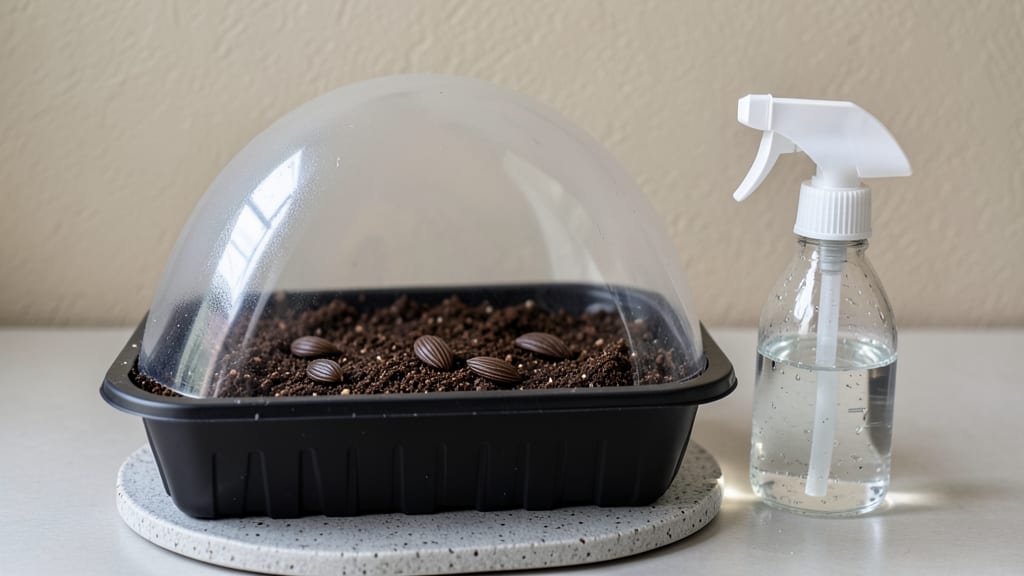
The zinnia seed germination time takes between 5 and 14 days—but with the right conditions, you can cut that time in half and watch those first tiny sprouts push through the soil.
Struggling to get your zinnia seeds to sprout? The secret to faster germination might be hiding in your heat source—or even your kitchen! Zinnia seeds can take anywhere from 5 to 14 days to break through the soil, but with the right tricks, you can slash that timeline by half.
Too much moisture or inconsistent warmth can stall germination, leaving you staring at a tray of dry soil and wondering what went wrong. The good news? Small adjustments—like using a heat mat or a warm spot indoors—can make all the difference.
In this guide, I’ll walk you through the ideal conditions for speedy zinnia germination, share 5 heat tricks to get sprouts in 7 days or less, and troubleshoot common pitfalls so you never waste another seed packet.
Zinnia seed germination time: ideal conditions for faster sprouting
If you've ever waited impatiently for zinnia seeds to sprout, you're not alone. These vibrant flowers need the right conditions to break dormancy quickly.
The average zinnia seed germination time ranges from 5 to 14 days, but with the perfect setup, you can see tiny green shoots in as few as 3 to 7 days.
The key lies in mimicking their natural environment—warmth, moisture, and just enough light to encourage growth without overwhelming them.
Zinnia seeds thrive when soil temperatures stay between 70°F and 85°F—that's why early spring or late winter starts often feel like a gamble. Without consistent heat, germination slows dramatically, leaving you staring at damp soil for weeks.
The good news? You don’t need a greenhouse to create these ideal conditions. Simple household tweaks can turn your kitchen counter or basement into a zinnia seedling factory.
Heat is the most critical factor for fast germination. Zinnia seeds are native to warm climates, and they won’t sprout until they sense warmth. If your soil or indoor setup is below 60°F, germination can stretch to 2 to 3 weeks—or worse, fail entirely. Even a 10°F difference can cut your waiting time in half. That’s why gardeners swear by heat mats, warm windowsills, or even a cozy spot near your furnace.
Moisture is just as important as heat, but here’s the catch: too much water drowns seeds, while too little leaves them dehydrated. The soil should feel like a damp sponge—not soggy, not bone-dry. A light misting every 1 to 2 days keeps seeds hydrated without suffocating them.
For indoor starters, a clear plastic dome or sealed container traps humidity, creating a mini greenhouse effect. Just remember to lift it daily for 5 to 10 minutes to prevent mold.
Light plays a supporting role during germination. Zinnia seeds don’t need sunlight to sprout—they’ll germinate fine in darkness—but they do crave indirect light once the first leaves appear. Too much direct light can dry out the soil, while complete darkness might lead to leggy, weak seedlings.
A south-facing window or a grow light set 6 inches above your seed trays strikes the perfect balance. If you’re starting seeds in winter, supplement with a 12-hour light cycle to keep them growing strong.
| Factor | Ideal Range | Why It Matters | Quick Fix |
|---|---|---|---|
| Temperature | 70°F–85°F | Speeds metabolism, breaks dormancy | Use heat mat or warm window |
| Moisture | Damp (not soggy) | Prevents dehydration, avoids rot | Mist every 1–2 days, use dome |
| Light | Indirect (6+ hrs/day) | Encourages strong stems, prevents legginess | South window or grow light 6" |
| Soil Depth | 1/4" deep | Too deep = slow emergence, too shallow = dry out | Press seeds lightly, don’t bury |
| Humidity | 50%–70% | Retains moisture, reduces stress | Plastic wrap or humidity tray |
One of the biggest myths about zinnia germination is that you need a fancy setup. In reality, your kitchen or bathroom can double as a seed-starting station. These rooms naturally stay warmer and more humid than others, making them perfect for coaxing seeds to life.
For example, place your seed tray on top of your refrigerator (not inside—just on top) for a gentle heat boost.
Or try the "paper towel method": dampen a paper towel, sandwich seeds between two, and store in a sealed bag near a warm spot like your oven (turned off, of course!).
Outdoor gardeners can also hack the system by using black plastic mulch or row covers to trap heat in the soil. Even a simple clear plastic bottle cut in half and placed over seedlings can raise temperatures by 10°F or more.
The goal is to keep the soil consistently warm—fluctuations between day and night temperatures can stall germination. If you’re planting in early spring, wait until soil temps hit at least 60°F before sowing, or use a heat mat for a few weeks to jumpstart growth.
Patience is key, but so is knowing when to intervene. If your seeds haven’t sprouted after 2 weeks, don’t give up—just check for these red flags: **soil that’s too dry or
5 Heat tricks to speed up zinnia seed germination in 7 days or less
Zinnia seeds thrive with warmth, and even a few degrees difference can mean the difference between 7 days and 2 weeks of waiting. If your seeds seem sluggish, try these heat tricks to coax them along faster.
From simple household hacks to outdoor setups, these methods work—even if you don’t have a fancy heat mat.
Most gardeners overlook the power of consistent warmth, but zinnia seeds need soil temperatures between 70°F and 80°F to germinate quickly. Without it, they’ll sit dormant, waiting for conditions to improve. The good news? You can create that warmth with tools you already own.
-
🔥 Microwave Warmth
Place damp paper towels with seeds in a microwave-safe bowl, heat for 10 seconds, then cover with plastic wrap. Check daily for sprouts. -
💧 Paper Towel Method
Sandwich seeds between damp paper towels in a sealed bag. Place near a sunny window or under a grow light for 24-hour warmth. -
🌡️ Heat Mat Hack
Use a reusable heat mat (or a laptop on low power) under seed trays to maintain 75°F+ soil temps 24/7. -
☀️ Cold Frame Boost
Plant seeds in a clear plastic dome or cold frame to trap sunlight and raise soil temps by 10-15°F. -
🌿 Row Cover Trick
Cover outdoor seed beds with floating row covers to create a mini greenhouse effect, keeping soil warm and moist.
For the microwave method, I’ve had the best luck with 10-second bursts—just enough to warm the seeds without drying them out. Place the bowl in a warm, dark spot (like a pantry) after heating to mimic soil conditions.
Check for sprouts every 24 hours; they’ll push through in as little as 3-5 days.
The paper towel method is my go-to for impatient gardeners. Keep the towels damp (not soggy) and place the bag near a south-facing window or under a grow light. The trapped warmth and humidity create the perfect environment for seeds to swell and sprout rapidly.
Outdoor gardeners can use row covers or cold frames to extend the growing season and speed up germination. Even a simple plastic bottle cloche over seed trays can raise soil temps by 10-15°F, cutting germination time by nearly half. Just remove the cover once sprouts emerge to prevent overheating.
Pro tip: If you’re using a heat mat, set it to 75°F and monitor soil moisture closely—overheating can dry out seeds faster than they can sprout. Aim for consistent warmth rather than extreme heat, which can stress delicate seedlings.
With these tricks, you’ll see those first zinnia sprouts in as little as 5-7 days—no waiting months for blooms! Try one method this season and watch your garden transform. 🌼