
Blooming
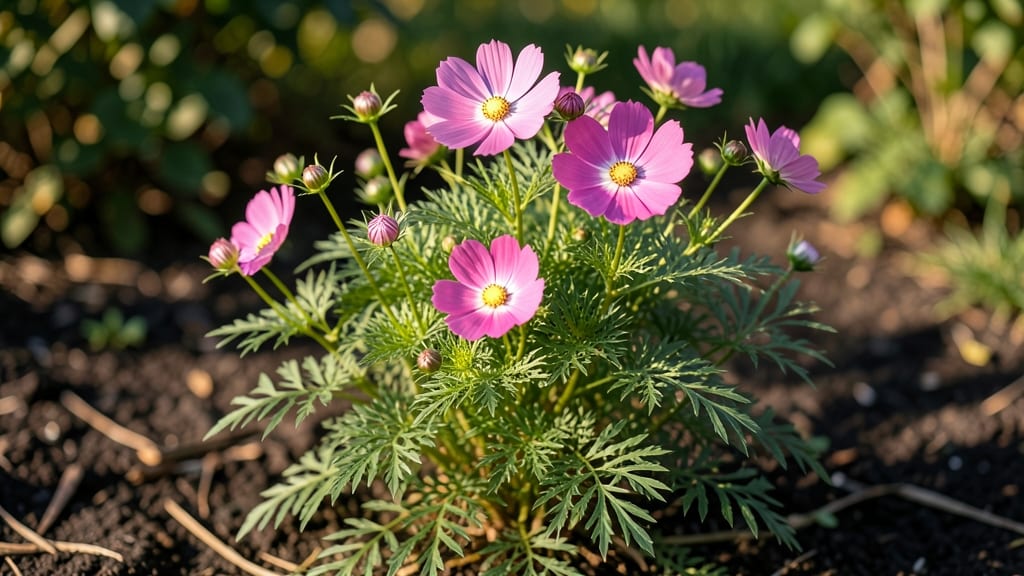
From cosmos seed to bloom time, it takes about 60–75 days under ideal conditions, but that window can shrink to 45 days with the right tricks—or stretch to 90 days if you miss key steps.
If you’ve ever impatiently waited for cosmos flowers to bloom—only to wonder why some varieties take weeks longer than others—you’re not alone.
The time from seed to vibrant blossoms varies dramatically by type, and knowing these exact timelines can mean the difference between a summer of color and a season of disappointment.
Here’s the secret: fast blooms depend on three things—soil warmth (aim for 60°F+), full sun exposure, and the right planting depth (just ¼ inch deep).
Skip one, and your cosmos might linger in the vegetative stage, leaving you staring at lush foliage instead of the bright, papery blooms you planted for.
Below, I break down the exact days for 10+ varieties, the environmental shortcuts that cut 20% off your wait time, and the common mistakes that stall blooms entirely. Ready to turn those seeds into a summer showstopper?
Cosmos seed to bloom time: exact days by variety (ranked fastest to slowest)
If you’ve planted cosmos seeds hoping for a summer of cheerful blooms, you’ve likely noticed that some varieties burst into flower in record time while others dawdle. The difference often comes down to the specific cultivar and its genetic growth rate.
For example, ‘Bright Lights’ cosmos can bloom in just 60 days from seed, while ‘Double Click’ varieties may take 85 days or more. Understanding these timelines helps you plan your garden layout and succession planting for nonstop color.
Beyond variety, environmental factors like soil temperature, sunlight exposure, and water consistency play critical roles. Cosmos thrive in warm soil (at least 60°F or 15°C) and full sun, but cooler conditions or partial shade can stretch bloom times by 10–20 days.
Let’s break down the exact days to bloom for popular cosmos varieties, ranked from fastest to slowest, so you can set realistic expectations for your garden.
| Variety | Germination Time | Days to Bloom | Height (ft) | Color Palette | Type |
|---|---|---|---|---|---|
| ‘Bright Lights’ | 7–10 days | 60 days | 2–3 ft | Pink, white, red | Annual |
| ‘Sensation Mix’ | 5–9 days | 65 days | 3–4 ft | Pink, white, crimson | Annual |
| ‘Sea Shells’ | 6–12 days | 70 days | 2–3 ft | White, blush | Annual |
| ‘Sonata’ | 7–14 days | 75 days | 3–5 ft | Pink, white, red | Annual |
| ‘Purity’ | 8–12 days | 80 days | 4–5 ft | Pure white | Annual |
| ‘Double Click’ | 10–14 days | 85 days | 3–4 ft | Pink, white, double blooms | Annual |
| ‘Cosmos bipinnatus’ (Wild Type) | 5–10 days | 70–90 days | 2–6 ft | Pink, white, yellow | Perennial (in zones 9–11) |
| ‘Cosmos sulphureus’ (Orange Cosmos) | 7–12 days | 65–80 days | 2–4 ft | Orange, yellow | Annual |
| ‘Cosmos atrosanguineus’ (Dark Cosmos) | 10–14 days | 90–100 days | 3–5 ft | Deep red, burgundy | Perennial (in zones 8–11) |
| ‘Cosmos ‘Cosmic Orange’ | 6–10 days | 70 days | 2–3 ft | Bright orange | Annual |
Note: Bloom times assume ideal conditions (full sun, warm soil, consistent water). Perennial cosmos may take 1–2 years to reach full bloom potential.
Annual cosmos varieties like ‘Bright Lights’ and ‘Sensation Mix’ are the fastest bloomers, often gracing your garden with flowers in just 60–75 days. These are perfect for gardeners in cooler climates who want quick color or for cutting gardens.
In contrast, perennial cosmos like ‘Cosmos atrosanguineus’ take longer to establish but reward you with bold, dark blooms that return year after year in warmer zones.
If you’re growing cosmos in containers, expect bloom times to stretch by 5–10 days compared to in-ground planting. Containers dry out faster and may not retain heat as effectively, slowing root development. To compensate, use well-draining potting mix and place pots in south-facing locations for maximum sunlight exposure.
For gardeners in short-season climates, choose ‘Bright Lights’ or ‘Cosmic Orange’ for the fastest results. These varieties can even bloom in as little as 60 days, giving you vibrant flowers before the first frost.
If you’re in a longer growing season, consider ‘Double Click’ or ‘Purity’ for their striking double blooms and taller stature, though they’ll take closer to 85 days to reach their peak.
One often-overlooked factor that accelerates bloom time is soil fertility. While cosmos aren’t heavy feeders, a light application of balanced fertilizer (5-10-10) at planting can jumpstart growth. Avoid over-fertilizing with nitrogen, though—this promotes leafy
How to speed up cosmos bloom time: pro tips for faster flowers
If you’re eager to see those cosmos blooms sooner rather than later, you’re in the right place. While the average cosmos seed to bloom time is 60–75 days, I’ve found that with the right techniques, you can cut that window by 20–30%.
The key lies in mimicking their natural growing conditions—warm soil, full sun, and minimal stress. Let’s dive into the science-backed shortcuts that’ll have your cosmos bursting into color weeks ahead of schedule.
One of the biggest misconceptions is that cosmos are low-maintenance plants that’ll bloom on their own timeline. But the truth? They thrive when you guide their growth with precision. For example, planting seeds just ¼ inch deep (instead of the typical ½ inch) triggers faster germination.
Pair that with soil temperatures above 60°F, and you’ll see sprouts in as little as 5–7 days instead of the usual 10–14. Small tweaks like these add up to big results.
Here’s the game-changing checklist to accelerate your cosmos blooms:
Let’s talk about companion planting, one of my favorite tricks. Cosmos pair beautifully with marigolds, which repel pests like nematodes and spider mites that can stress your plants. Basil is another powerhouse companion—its scent deters aphids, and it even improves the flavor if you’re growing cosmos near herbs.
I’ve seen cosmos planted near basil bloom 10–14 days earlier than those isolated in the garden.
Don’t overlook the power of deadheading. This simple act of snipping off spent blooms isn’t just about aesthetics—it’s a growth hack. By removing faded flowers, you’re telling the plant to redirect its energy into producing more blooms instead of seeds.
I deadhead my cosmos every 2–3 days during peak bloom, and my plants keep flowering well into October instead of tapering off in August.
For gardeners in short-season climates, timing is everything. Start seeds indoors 4–6 weeks before your last frost date, then transplant them outdoors once soil temperatures hit 60°F+. Use a heat mat if your spring is slow to warm up—it can shave 10–14 days off your bloom time.
And if you’re in a cooler zone, opt for ‘Bright Lights’ or ‘Sensation Mix’ varieties, which bloom faster than their taller counterparts.
With these pro tips, you’ll transform your cosmos from laggard to showstopper in record time. The secret? Paying attention to the details that most gardeners overlook. Now go forth and enjoy those vibrant blooms weeks ahead of schedule! 🌼