
Plants
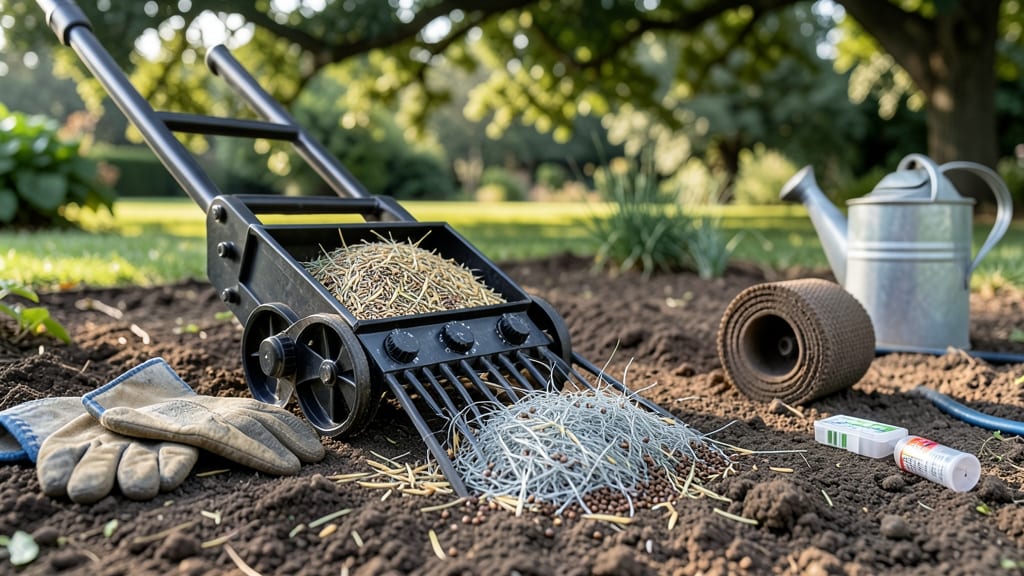
To plant grass seed in Maryland, aim for late August to early October or April to early May—when soil temperatures hit 50–65°F and frost isn’t lurking.
Maryland’s unpredictable spring weather can turn your grass-seeding plans into a guessing game—but timing is everything for a lush, weed-free lawn. Plant too early, and frost will kill your seedlings; too late, and summer heat will stress them before they take root.
In Maryland’s 7a–8a zones, the 6–8 week frost-free window is your golden opportunity. Coastal areas (like Zone 8a) can stretch it later into fall, while inland regions (Zone 7a) need to start earlier to avoid early frosts.
Below, I’ll break down the exact months, soil prep tricks, and how to adjust for your specific corner of Maryland—so you skip the trial-and-error and get a lawn that thrives from day one.
Maryland’s ideal grass-seeding months: frost-free window explained
Timing your grass seed planting in Maryland isn’t just about picking a month—it’s about understanding the 6-8 week frost-free window that gives seedlings the best chance to establish before summer heat or winter frost strikes.
The optimal windows are late August to early October (fall) and April to early May (spring), but Maryland’s three distinct climate zones (Coastal, Piedmont, Western) mean you’ll need to adjust based on your location.
Maryland’s USDA hardiness zones 6b-8a create microclimates where frost dates vary by 2-3 weeks. Coastal areas (like Zone 8a) often have later spring frosts (mid-April) and earlier fall frosts (early November), while Western regions (like Zone 6b) can see frost as early as mid-October.
This means your ideal seeding window might shift from August 15 to October 1 in the Piedmont to September 1 to October 15 in Western Maryland.
Soil temperature is the true deciding factor. Grass seeds need consistent soil temps between 50–65°F to germinate properly. In Maryland, this typically aligns with late April to early May for spring planting and mid-August to early September for fall.
Use a soil thermometer to confirm—if temps dip below 50°F, wait a week or two before seeding.
Here’s a quick reference for Maryland’s average frost dates by region, which will help you pinpoint your frost-free window:
| Region | Last Frost Date | First Frost Date | Ideal Planting Window | Soil Temp Goal |
|---|---|---|---|---|
| Coastal (Zone 8a) | April 20 | November 5 | April 15–May 15 or August 20–October 5 | 50–65°F |
| Piedmont (Zone 7b) | April 10 | October 25 | April 1–May 10 or August 15–September 30 | 50–65°F |
| Western (Zone 6b) | April 5 | October 15 | April 1–May 5 or August 1–September 20 | 50–65°F |
Fall planting is often preferred in Maryland because cooler temps reduce weed competition and drought stress. Seedlings establish roots before summer heat arrives, giving you a thicker, greener lawn by next spring.
Aim to plant 6-8 weeks before your first frost—this means mid-August to early September for most of the state. For example, if your first frost is October 25, seed by September 1 to ensure roots are deep enough to survive winter.
Spring planting is trickier due to Maryland’s unpredictable weather. Wait until after your last frost date (typically April 10–20) and confirm soil temps are consistently above 50°F. If you plant too early and a late frost hits, your seedlings will brown and die.
Pro tip: Use a lightweight row cover if frost is forecasted within 2 weeks of seeding.
Maryland’s humid subtropical climate means summer heat and humidity can stress young grass if planted too late. Avoid seeding after early October—by then, days are shorter, and soil temps drop faster.
If you miss the fall window, wait until next spring rather than trying to plant in late fall or winter, when germination rates plummet.
One critical mistake many Maryland gardeners make is ignoring soil moisture during seeding. Grass seeds need consistent moisture to germinate, but Maryland’s summer downpours can wash seeds away or cause waterlogging.
Use a light mulch (like straw) to retain moisture without smothering seeds, and water early in the morning to reduce evaporation. Aim for 1 inch of water per week, either from rain or irrigation.
For the best results, test your soil pH before seeding—Maryland’s native soils often lean acidic (pH 5.0–6.5), while most cool-season grasses (like tall fescue or Kentucky bluegrass) thrive in pH 6.0–7.0.
Amend with lime if needed, and consider a slow-release starter fertilizer to give seedlings a nutrient boost without burning tender roots.
Remember, Maryland’s frost-free window is your golden opportunity to establish a healthy, weed-resistant lawn. Whether you’re seeding in
How to adjust planting timing for Maryland’s microclimates
Maryland’s three distinct microclimates—Coastal (Zone 7b-8a), Piedmont (Zone 7a-7b), and Western (Zone 6b-7a)—each demand unique timing for grass seed. Coastal areas enjoy milder winters, while Western regions face earlier frosts. Understanding these differences can extend your 6–8 week seeding window and improve success rates.
A soil thermometer is your best tool—seedlings thrive when soil temps stay between 50–65°F. Coastal zones can wait until mid-September, but Piedmont and Western areas should start by late August to avoid frost.
Rainfall patterns also vary: Coastal regions get more consistent moisture, while Western areas may need drip irrigation to prevent drought stress.
Here’s how to adjust your timing based on your Maryland microclimate:
🌱 Maryland Microclimate Planting Guide
| Region | Zone | Best Planting Window | Soil Temp | Adjustments |
|---|---|---|---|---|
| Coastal | 7b-8a | Late Aug–early Oct | 50–65°F | Use shade cloth in Sept |
| Piedmont | 7a-7b | Late Aug–mid-Sept | 50–65°F | Add mulch for warmth |
| Western | 6b-7a | Late July–early Sept | 50–65°F | Start earlier to avoid frost |
💡 Pro Tip: Test soil moisture weekly—Coastal areas may need less watering than drier Western zones.
For Coastal Maryland, extend your window by using lightweight shade cloth in late September to protect seedlings from hurricane winds or salty air.
In Piedmont regions, spread straw mulch (1–2 inches thick) to retain moisture and moderate soil temps. Western Maryland gardeners should prioritize early planting and use drought-resistant grass seed like tall fescue to handle dry spells.
Rainfall patterns also play a role: Coastal areas like Annapolis average 40+ inches annually, while Hagerstown in Western Maryland sees just 38 inches. Adjust watering schedules accordingly—deep, infrequent watering (1 inch per week) works best for all regions.
Use a rain gauge to track local precipitation and avoid overwatering.
Finally, monitor your local frost dates—Coastal areas rarely see frost before November 15, while Western Maryland can hit 32°F by October 15. If you’re seeding in late September, have frost blankets ready to protect young grass.
With these adjustments, you’ll maximize your 6–8 week seeding window and avoid common pitfalls like frost damage or summer stress. 🌱