
Plants
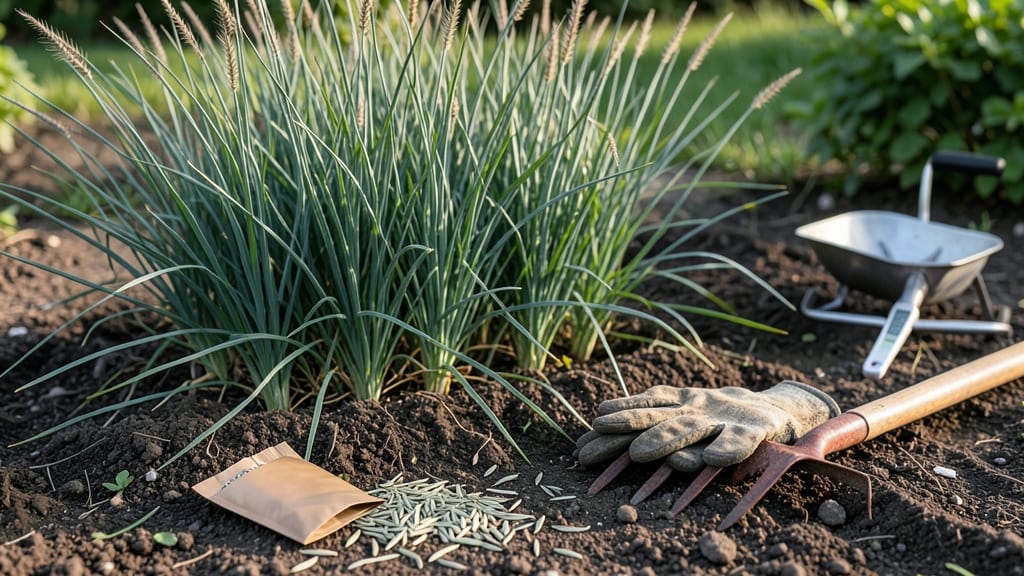
Planting fescue seed in Atlanta thrives best in early fall or late summer, when soil temperatures and moisture align perfectly for germination.
Atlanta’s humid subtropical climate creates the perfect window for growing lush, resilient fescue lawns—but planting too early or late can leave your grass struggling. Timing is everything, and missing the ideal season could mean thin patches or weak growth.
In USDA Zones 7b-8a, the ideal months are August through September, when daytime heat fades and rainfall increases, giving young roots the moisture they need without the stress of summer droughts.
Below, I’ll break down the exact planting timeline, soil prep tips, and how to avoid common mistakes that derail even the most well-intentioned lawn projects in Atlanta.
Best planting windows for fescue seed in Atlanta’s climate zones
Atlanta’s USDA Zone 7b-8a climate offers two prime windows for planting fescue seed: early fall and late summer. These periods align with soil temperature drops and increased rainfall, creating ideal conditions for germination and root establishment.
Missing these windows can lead to slow growth or disease susceptibility due to extreme heat or drought.
Fescue thrives in Atlanta’s humid subtropical climate because it tolerates both heat and humidity better than many other cool-season grasses. However, planting during peak summer (June-August) risks seed drying out or fungal infections, while late fall (November) can leave seedlings vulnerable to early frosts.
Timing your planting right ensures a thick, green lawn within 6-8 weeks.
Soil temperature is the key factor—fescue seeds germinate best when soil is between 60°F and 75°F. In Atlanta, this typically occurs in late August through September and again in June before temperatures climb too high. Rainfall patterns also play a role: Atlanta’s average 3-4 inches of rain per month in these windows keeps seed beds moist without over-saturation.
For early fescue varieties, aim for planting between mid-August and early September. This gives seedlings time to establish roots before first frost (usually around November 1). Late fescue varieties can be planted slightly later, up to mid-October, but expect slower initial growth.
Late summer planting (June) is ideal for overseeding existing lawns, as established grass provides shade for new seedlings.
Here’s how Atlanta’s microclimates affect planting: Urban areas with concrete and pavement heat up faster, making late summer planting riskier. Suburban yards with more tree shade can extend the late summer window by 1-2 weeks. Always check your specific area’s weekly weather forecasts for heatwaves or drought warnings before planting.
If you miss the ideal windows, winter planting (December-February) is possible but requires extra care. Use a seed blanket or mulch layer to protect seeds from freezing temperatures and ensure consistent moisture.
Spring planting (March-April) is not recommended—fescue struggles to compete with weeds and may develop fungal issues from late spring rains.
| Planting Window | Ideal Soil Temp (°F) | Atlanta Dates | Rainfall (in/month) | Key Considerations |
|---|---|---|---|---|
| Early Fall | 60-75°F | Mid-August - Early September | 3.5-4.0 | Best germination; avoid late September heatwaves |
| Late Summer | 65-70°F | Late June - Early July | 4.0-4.5 | Ideal for overseeding; monitor for fungal risks |
| Winter (Emergency) | 40-50°F | December - February | 3.0-3.5 | Use seed blankets; expect slower growth |
| Avoid: Spring | N/A | March - April | 3.0-3.5 | Weed competition; fungal risks from rain |
For urban Atlanta yards, consider planting early fescue varieties in late August to capitalize on cooler evening temperatures and increased humidity. These conditions reduce evaporation rates and help seeds retain moisture.
If you’re in a suburban area with more shade, you can extend your late summer window by 1-2 weeks, but always test your soil moisture before planting—it should feel like a wrung-out sponge.
Pro tip: Use a soil thermometer to confirm temperatures before planting. If your soil is above 75°F, wait 1-2 weeks or use shade cloth to protect seedlings. Morning planting (before 10 AM) reduces heat stress on seeds.
Pair your planting with 1 inch of water daily for the first 2 weeks to encourage deep root growth.
Remember, fescue seed germination takes 7-21 days depending on variety and conditions. In Atlanta’s climate, you’ll typically see sprouts within 10-14 days if planted in the ideal window. Stay patient—thin patches can fill in with proper watering and fertilization over the next 6-8 weeks.
With the right timing, your fescue lawn will outperform weeds and handle Atlanta’s hot summers and mild winters with ease.
🌱
How to prepare your Atlanta lawn for fescue seed planting
Preparing your Atlanta lawn for fescue seed planting starts with addressing the city’s clay-heavy soils and urban heat island effect. Unlike sandy soils, Atlanta’s clay retains moisture but compacts easily, creating poor drainage and air pockets that choke young roots.
Before planting, focus on soil aeration, weed suppression, and adjusting pH to create the ideal seed bed.
Atlanta’s acidic soils (pH 5.5-6.5) can hinder fescue germination, so test your soil 4-6 weeks before planting. Aim for a pH of 6.0-7.0—use lime for acidic soil or sulfur if your soil is alkaline. Urban yards may also need extra compost to offset heat and compaction from pavement.
-
1
Test Soil Conditions
Use a soil test kit to check pH and compaction. Atlanta’s clay soils often need lime (for pH) and gypsum (for drainage).
-
2
Aerate Compacted Soil
Rent a core aerator to create 3-4 inch deep holes. Focus on high-traffic areas where soil is most compacted. Do this 2-4 weeks before planting.
-
3
Control Weeds & Debris
Apply pre-emergent herbicide 10 days before planting to block weeds. For organic lawns, use corn gluten meal or hand-pull weeds.
-
4
Spread Compost or Topsoil
Add ½ inch of compost or topsoil to aeration holes. This improves drainage and provides nutrients for young roots.
-
5
Choose Planting Method
For new lawns, use full seeding (1 lb seed per 100 sqft). For overseeding, spread ½ lb seed per 100 sqft over existing grass.
-
6
Lock in Moisture
Apply straw mulch (¼ inch thick) to retain moisture and protect seeds. Water lightly daily to keep soil evenly moist until germination.
Urban Atlanta yards often face additional challenges like heat stress and pesticide runoff. If your lawn has bare patches, consider hydroseeding instead of traditional seeding—it creates a protective slurry that locks in moisture and seeds.
For suburban areas with tree shade, reduce seed spacing by 20% to compensate for slower growth.
After planting, maintain 1 inch of water daily for 2 weeks, then reduce to 2-3 times per week once seedlings appear. Avoid fertilizing for 6 weeks—young roots need time to establish before competing for nutrients.
In Atlanta’s climate, fescue planted in early fall will establish 50% faster than spring plantings due to cooler temperatures and natural rainfall.
🌱