
Planting
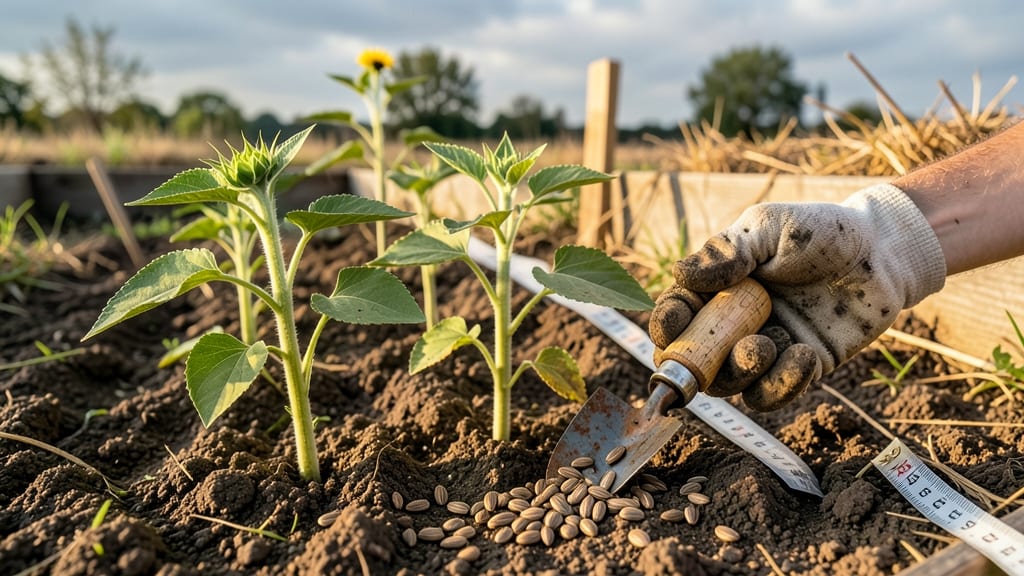
Spacing sunflower seeds correctly is the secret to growing those iconic, towering stalks—and avoiding a garden full of weak, scraggly plants.
Picture this: You plant your seeds, water them, and wait for those bright 🌻 blooms to appear—only to find your sunflowers leaning, struggling for sunlight, or worse, never reaching their full height.
The truth? Proper spacing isn’t just about aesthetics; it’s about maximizing yield, preventing disease, and ensuring your sunflowers thrive from seed to bloom.
Whether you’re growing giant varieties that could outshine a two-story building or compact dwarf sunflowers for small gardens, the right distance between seeds makes all the difference. Too close, and you’ll end up with a jungle of stems fighting for space; too far, and you’ll waste precious garden real estate.
Below, I’ll break down the exact spacing you need for every type of sunflower, plus tips to adjust for your soil, climate, and garden layout.
Ready to grow sunflowers that reach their full potential? Let’s dive into the proven rows, depths, and spacing tricks that’ll turn your garden into a sun-drenched masterpiece.
Optimal sunflower seed spacing by variety: rows, depth, and planting distance
Sunflowers may seem like low-maintenance giants, but their seed spacing directly impacts stalk strength, bloom size, and even seed production. Giant varieties like 'Russian Giant' need elbow room to avoid flopping, while dwarf types like 'Teddy Bear' can thrive in tighter clusters.
Getting this right means fewer crowded stalks and more dramatic, healthy blooms in your garden.
Start with soil preparation—sunflowers hate soggy roots but thrive in loose, well-draining soil. Mix in compost to improve fertility, and avoid compacted areas where roots can’t spread. A simple soil test ensures your pH (ideal: 6.0-7.5) won’t stunt growth before you even plant.
Here’s the golden rule: plant depth matters just as much as spacing. Sunflower seeds should sit 1-2 inches deep, with the larger end down (if possible).
Deeper planting risks rot, while shallow seeds may dry out. A quick finger test—press seeds into soil until they’re covered but not buried—works perfectly.
Now, let’s talk variety-specific spacing. Giant sunflowers (10+ feet tall) need 18-24 inches between plants to support their weight, while dwarf varieties (under 3 feet) can handle 6-12 inches apart. Hybrid types often fall in the middle, requiring 12-18 inches for balanced growth.
Pro tip: Use a stake or marker to map your spacing before planting. Giant sunflowers benefit from trellis support if planted in rows closer than 24 inches—this prevents stalks from bending under their own weight. For dwarf varieties, closer spacing encourages bushier growth, perfect for pollinators like bees.
Don’t overlook row spacing. Giant sunflowers need 30-36 inches between rows to allow airflow and reduce disease risk, while dwarf varieties can share rows just 18 inches apart.
Tight rows work well for small gardens but may require thinning later. Always plant in a north-south direction to maximize sunlight exposure.
Climate plays a role too. In dry regions, wider spacing (up to 24 inches) helps conserve moisture, while humid areas benefit from tighter clusters (12-18 inches) to improve airflow.
If you’re in a short growing season, prioritize spacing that gives plants room to mature before frost—giant varieties especially need this head start.
After planting, mulch around stalks to retain moisture and suppress weeds. Avoid piling mulch against stems, which can cause rot. Water deeply at the base (not overhead) to encourage strong root development. Within 3-4 weeks, you’ll see seedlings—thin them to your spacing guidelines to avoid competition.
For container gardening, dwarf varieties shine. Plant 1-2 seeds per 5-gallon pot, spacing them 6 inches apart. Giant sunflowers need at least a 15-gallon container with 18 inches of spacing.
Always use a pot with drainage holes to prevent root rot, and fertilize lightly every 4-6 weeks with a balanced 10-10-10 mix.
Remember: perfect spacing isn’t just about aesthetics—it’s about stalk strength, bloom size, and even seed yield. Follow these guidelines, and you’ll harvest sunflowers that rival the tallest in your neighborhood—without the floppy, weak stalks that
Common sunflower spacing mistakes and how to fix them
Even experienced gardeners sometimes struggle with sunflower seed spacing, leading to disappointing results. Overcrowded plants compete for nutrients and sunlight, while overly spaced seeds waste garden space. Let’s tackle the most common mistakes and how to correct them for healthier, more productive sunflowers.
One frequent error is planting seeds too close together, often just 2-3 inches apart. While this might seem efficient, it leads to stunted growth and increased disease risk as air circulation suffers.
Another mistake is spacing seeds too far apart, especially in larger varieties like Mammoth sunflowers, which can leave gaps that reduce yield and make the garden look sparse.
⚠️ Warning: Overcrowding Dangers
Planting sunflower seeds closer than 6 inches risks:
- Fungal diseases from poor airflow
- Weak stalks that bend or break
- Smaller blooms with fewer seeds
Climate also plays a role in spacing decisions. In dry regions, wider spacing (18-24 inches) helps conserve moisture, while humid climates may require closer spacing (12 inches) to prevent soil from drying out too quickly.
Always adjust based on your local rainfall patterns and soil type—sandy soil drains faster than clay soil, affecting water needs.
If you’ve already planted too closely, don’t panic! Thin your seedlings to the correct spacing as soon as they develop true leaves (the second set of leaves).
Gently pull the weakest seedlings, leaving the strongest ones. For giant varieties, aim for 12-24 inches apart, while dwarf sunflowers can handle 6-12 inches of space.
Another fix for compacted soil (common in heavily walked garden beds) is to loosen the ground with a fork before planting. This improves root penetration and reduces competition for nutrients.
For container gardening, use larger pots (at least 12 inches deep) and limit to one sunflower per container to avoid overcrowding.
Finally, consider your sunflower’s mature size when planning. A 12-foot giant needs serious space, while a 2-foot dwarf can thrive in tighter quarters. Always check the seed packet for variety-specific recommendations—this small step can make a big difference in your harvest!