
Plants
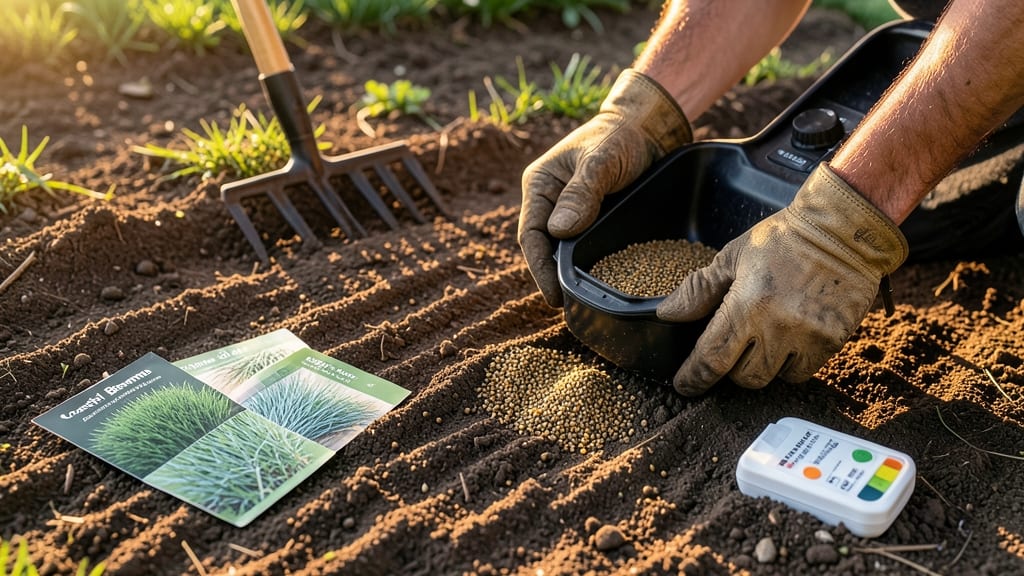
Planting grass seed in Mississippi at the right time means avoiding frost damage and summer stress—aim for soil temperatures between 60-70°F and after your last frost date.
Mississippi’s humid climate and unpredictable frost dates can turn grass seeding into a high-stakes guessing game—plant too early, and frost ruins your progress; too late, and summer heat stresses new seedlings.
In Zone 8a, early spring (March-April) and late summer (August-September) are your best windows, but soil temperature—not just calendar dates—is the real game-changer.
Below, I’ll break down the exact frost-free windows by region, how to check soil temps like a pro, and the 3 grass varieties that thrive in Mississippi’s heat and humidity.
Mississippi grass planting timeline by Zone: frost-free dates & soil temperature rules
Timing your grass seed planting in Mississippi requires balancing soil temperatures, frost-free dates, and regional microclimates. The state's three distinct zones—North, Central, and South—each have unique frost patterns, making precise planning essential for seedling success.
I'll break down the ideal planting windows, soil temperature thresholds, and how to adjust for early or late years using NOAA data.
For most of Mississippi, the optimal soil temperature for grass seed germination ranges between 55°F and 65°F. This window typically aligns with early spring (March-April) and late summer (August-September).
However, Mississippi's USDA Zone 8a climate means frost can still occur as late as mid-March in the North, while the South may see earlier frost-free conditions. Always verify local frost dates using the NOAA Climate Data portal for your specific county.
Here’s how Mississippi’s three zones differ in frost-free averages and planting windows:
| Zone | Avg. Last Frost | Avg. First Frost | Ideal Planting Window | Soil Temp. Threshold | Adjustment Tips |
|---|---|---|---|---|---|
| North (e.g., Tupelo, Oxford) | March 15 | November 1 | Late March–Early April & Mid-August–Early Sept. | 55–60°F (spring) / 60–65°F (fall) | Wait for 3 consecutive days above 55°F; monitor NOAA for late frost alerts. |
| Central (e.g., Jackson, Hattiesburg) | March 1 | November 15 | Early March–Mid-April & Late July–Mid-Sept. | 58–62°F (spring) / 62–65°F (fall) | Central Mississippi’s urban heat islands may allow earlier spring planting; use soil thermometers. |
| South (e.g., Biloxi, Gulfport) | February 15 | November 30 | Late February–Early March & Early August–Early Sept. | 60–65°F (spring) / 65–70°F (fall) | Coastal areas may experience earlier soil warming; plant Bermuda grass as early as February. |
In North Mississippi, where frost lingers longer, I recommend waiting until late March for spring planting to avoid damage. Use a soil thermometer to confirm temperatures stay above 55°F for at least 5 days.
For fall planting, aim for mid-August to allow seedlings to establish before cooler weather arrives in November.
Central Mississippi offers a slightly wider window due to its moderate climate. You can start as early as early March if soil temperatures are ideal, but be prepared to protect seedlings with frost cloth if late frosts occur.
The fall window extends into mid-September, giving you more flexibility to adjust based on rainfall and humidity levels.
For South Mississippi, where coastal influences keep soils warmer, you can plant Bermuda grass as early as late February. However, avoid planting cool-season grasses like Tall Fescue before mid-March, as they struggle with summer heat.
The fall window here is shorter—focus on early August to early September—to avoid hurricane season disruptions.
Mississippi’s microclimates can shift planting windows by weeks. For example, river valleys like the Yazoo Basin may experience frost 1–2 weeks later than surrounding areas, while piney woods regions often warm up faster in spring.
Always cross-reference NOAA’s 30-year climate averages with your local Mississippi State Extension office for real-time adjustments.
If you’re unsure about your local frost dates, use the NOAA Climate Data Interactive Tool to input your ZIP code. This tool provides historical frost data and helps you calculate a 10-year average for more reliable planning.
For example, in Jackson (Central MS), frost-free dates have shifted 3–5 days earlier over the past decade due to climate change.
Pro tip: If you miss the ideal window, consider sod instead of seed for late spring or early fall plantings. Sod establishes faster and tolerates higher soil temperatures better than seedlings.
For seed, prioritize shade-tolerant varieties like Centipede grass if your yard has partial shade, as they handle Mississippi’s humid summers more effectively.
Remember, the key to success in Mississippi’s climate is patience and preparation. Monitor soil temperatures daily, protect new seedlings from unexpected frosts,
How to check soil temperature & adjust planting dates for Mississippi’s microclimates
Mississippi’s varied landscapes—from river valleys to piney woods—create microclimates where frost dates and soil warming differ by just miles. A soil thermometer is your secret weapon to pinpoint the perfect planting window, not just the calendar.
For grass seed, aim for 60-70°F soil temps—too cool, and germination stalls; too hot, and seedlings bolt.
Start by checking Mississippi State Extension’s frost maps (updated annually) to confirm your last frost date. Then, use a digital soil thermometer (like the ThermoPro TP60) to test temps at 4-inch depth—where grass roots establish.
Take readings at morning and evening for accuracy, especially in urban heat islands that warm 5-10°F faster than rural areas.
⚠️ callout-warning
River valleys (e.g., Delta region) often frost 10-14 days later than pine hills. Urban areas (Jackson, Biloxi) may see earlier soil warming due to pavement heat. Always verify with local NOAA data—never assume your neighbor’s schedule applies to you. Adjust planting dates by 2-3 weeks if your microclimate runs hotter or colder.
For early spring plantings (March-April), monitor soil temps daily once they hit 50°F. If temps dip below 55°F at night, delay seeding or use frost blankets to protect young grass.
In late summer/fall (August-September), aim for 70-75°F soil temps—cooler than spring—to avoid heat stress. Zoysia grass, for example, germinates best at 75°F, while Tall Fescue prefers 60-65°F.
Mississippi State Extension recommends 3 key adjustments for microclimates: Add 2 weeks to planting dates in piney woods (North MS), subtract 1 week in urban areas, and plant 10 days later in river valleys to avoid early-season floods.
Use mulch (straw or pine needles) to stabilize soil temps if your microclimate swings wildly.
Pro tip: Test soil temps for 3 consecutive days before planting. If temps rise 5°F+ per day, your microclimate is warming fast—plant sooner. If temps stagnate below 60°F, wait. Bermuda grass, for instance, can handle 80°F+ soil, but Centipede grass struggles above 75°F.
Match your grass type to your microclimate’s soil temperature patterns.
Remember, Mississippi’s frost-free window averages 220 days, but microclimates shrink this to 180-250 days depending on location. Use Mississippi Mesonet (msmesonet.org) for real-time soil data, and adjust your planting dates accordingly. With the right tools and local insights, you’ll outsmart Mississippi’s unpredictable growing seasons. 🌱