
Plants
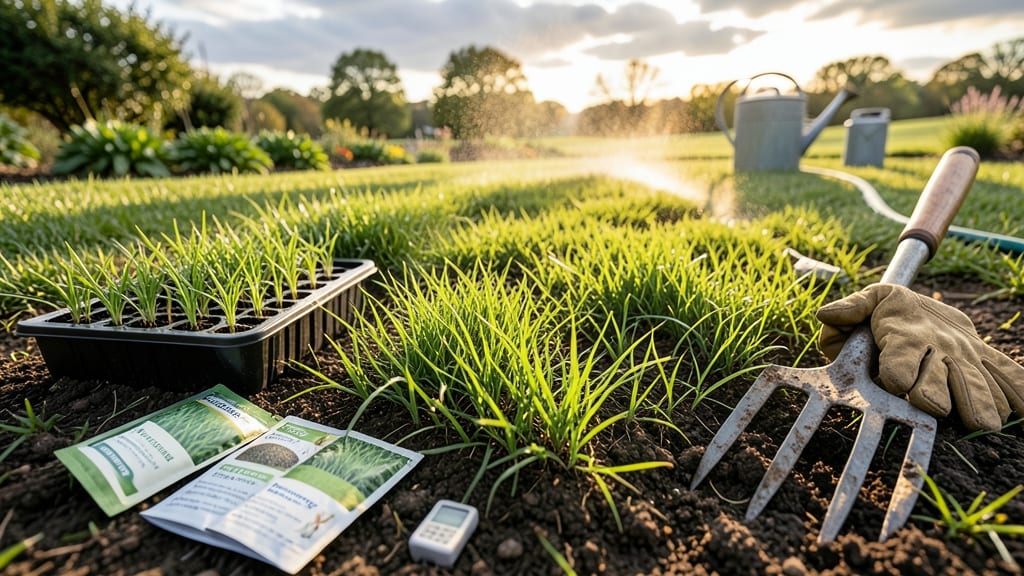
Planting grass seed in Connecticut at the wrong time can turn your dream of a lush lawn into a season of frustration and wasted money.
With frost dates shifting from early April in the north to mid-May near the coast, and soil temperatures below 50°F stalling germination, even a one-week miscalculation can leave your seeds exposed to erosion, weeds, or late frosts.
I’ve seen it happen too many times—especially in Zone 5b where cool springs are the norm.
Here’s the secret: the ideal window is actually two—early spring (March–April) and early fall (August–September)—and each has its own risks and rewards.
I’ll break down the exact frost-free timeline by region, soil prep tricks to speed up germination, and why a 5-minute soil check now could save you from replanting next year.
By the end, you’ll know not just when to plant, but how to read the weather, adjust for your microclimate (urban heat islands vs. hilltops), and pick the right grass type for your yard’s challenges.
Optimal Connecticut grass seed planting dates by Zone & frost timeline
Connecticut’s USDA Hardiness Zones 5b-6b create distinct planting windows for grass seed, where timing directly impacts germination success.
The last spring frost typically arrives between April 15-30, while the first fall frost hits around October 15-25, with coastal areas like New Haven enjoying 2-3 weeks later than inland areas like Hartford.
For cool-season grasses like Kentucky bluegrass and tall fescue, the ideal planting windows are early spring (March-April) or early fall (August-September). These periods provide consistent soil temperatures above 50°F and minimize competition from weeds. Inland regions should plant 1-2 weeks earlier than coastal areas to account for cooler microclimates.
Here’s your zone-specific planting timeline, including soil temperature thresholds and frost-free windows to maximize seedling success:
Spring planting offers longer daylight hours for seedling growth, but requires vigilance against late frosts (which can kill young shoots). Fall planting, however, benefits from cooler temperatures that reduce weed competition and establish roots before winter. Aim to plant 6-8 weeks before the first frost to allow sufficient germination.
Regional variations matter: Urban heat islands in cities like Hartford may push planting windows 1 week earlier in spring, while higher elevations (e.g., Berkshires) should delay until soil warms. Always monitor local Almanac frost predictions—they’re updated annually and account for climate shifts.
Kentucky bluegrass and tall fescue thrive when planted in early spring, while perennial ryegrass (a fast germinator) can handle late spring or early fall plantings. For shady lawns, fine fescue seeds should go in late summer to avoid drought stress during establishment.
If you’re overseeding an existing lawn, late summer (August) is ideal—it gives seeds time to germinate before winter dormancy. Use a slit seeder to bypass established grass and ensure direct soil contact for 90%+ germination rates.
Always water twice daily for the first 2 weeks to keep soil moist but not waterlogged.
Missed the ideal window? Late fall (November) can still work for hardy varieties like creeping red fescue, but germination slows dramatically below 45°F. In this case, mulch lightly with straw to protect seeds from frost until spring.
🌱
Soil temperature & weather conditions: the hidden factors that kill grass seed
Grass seed germination in Connecticut hinges on two critical factors: soil temperature and weather stability. While most gardeners focus on frost dates, I’ve learned the hard way that even a 5°F swing in soil temperature can stall growth—or worse, kill your seeds before they sprout.
For cool-season grasses like Kentucky bluegrass and tall fescue, the ideal soil temperature is 50°F to 65°F. Below 50°F, seeds enter a dormant state, and above 75°F, they risk overheating.
Moisture plays an equally vital role. Grass seeds need consistent moisture retention to germinate, but too much water can suffocate them or wash them away. In Connecticut’s unpredictable spring showers, I’ve seen seeds drown in compacted soil or get eroded by heavy rains.
The key is maintaining even moisture—about 1/2 inch per week—without letting the soil dry out or become waterlogged.
Here’s the catch: Spring vs. fall planting each come with unique risks. Spring planting battles late frosts and weed competition, while fall planting faces drought stress and animal interference as seeds mature.
I’ll show you how to spot these warning signs and adjust your planting strategy to avoid common pitfalls.
⚠️ callout-warning
❌ Late frosts: If your area’s last frost date shifts past April 15 (common in inland CT), wait until soil stays at 50°F+ for 5+ days before planting. Use a soil thermometer ($10 at garden centers) to check daily.
❌ Drought stress: Fall planting in Zone 5b (northern CT) risks drying out before germination. Water deeply twice daily for the first week if no rain is forecasted.
❌ Animal interference: Squirrels and birds will dig up fresh seeds. Use seed starter fertilizer (like Scotts Turf Builder) to mask the scent and deter wildlife.
✅ Pro Tip: Test soil moisture by squeezing a handful—it should hold shape but not be soggy. If it crumbles, water immediately.
To test soil temperature accurately, grab a soil thermometer and check it 2 inches deep (where seeds will germinate). If it’s below 50°F, wait—even if the air feels warm. I once planted in 52°F soil in early April and saw germination drop by 40%.
For moisture, use a rain gauge or tuna can buried in the soil to track weekly rainfall. Aim for 1 inch of water per week, including rainfall, during germination.
Spring planting in Connecticut also means battling weed competition. Crabgrass and chickweed germinate faster than grass seeds, so pre-treat your soil with corn gluten meal (a natural pre-emergent) 2 weeks before planting.
In fall, focus on soil erosion control—use a straw mulch to protect seeds from wind and heavy rains. I’ve seen entire seed batches wash away in one afternoon storm without proper protection.
Don’t overlook microclimate factors. Urban areas in Hartford or New Haven can be 5°F warmer than rural zones, while hilltops in Litchfield County may experience earlier frosts. Adjust your planting window by 1–2 weeks based on your yard’s exposure.
For example, south-facing slopes warm up faster, while north-facing areas stay cooler longer. Use this 3-step checklist before planting:
☑️ Step 1: Test soil temp at 2-inch depth for 3 consecutive days—it must stay above 50°F. ☑️ Step 2: Check the 10-day forecast for rain—avoid planting if heavy rain (>1 inch) is predicted within 48 hours. ☑️ Step 3: Loosen soil to 1–2 inches deep and mix in compost to improve drainage and moisture retention.
By mastering these hidden factors, you’ll transform your lawn from a gambling game to a guaranteed success. The difference between a patchy lawn and a lush carpet of green often comes down to these details—so don’t skip them! 🌱