
Plants
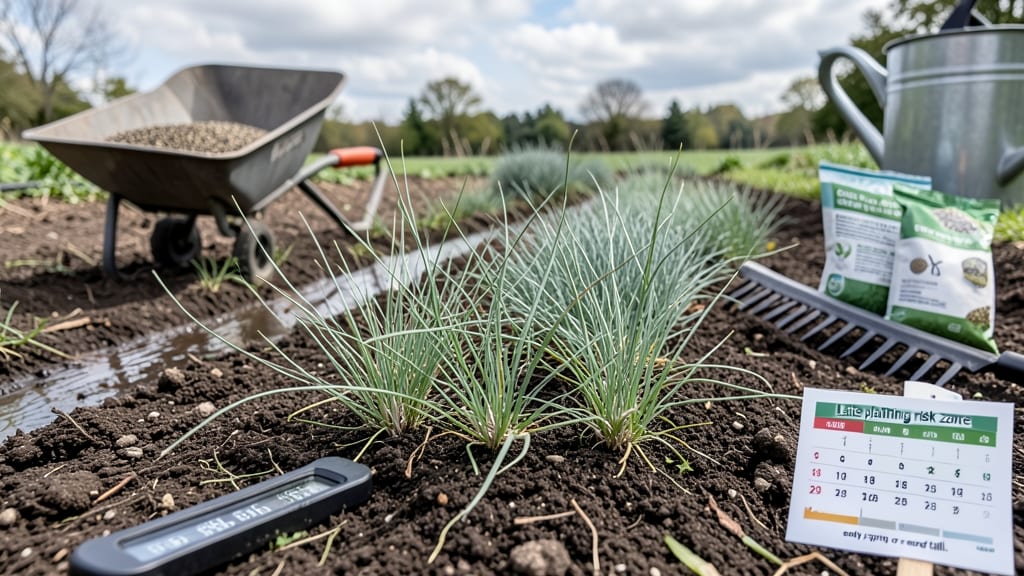
When is it too late to plant grass seed in Massachusetts? Even if you miss the ideal spring window, knowing your zone’s exact frost-date deadlines can still help you grow a healthy lawn without wasting seed.
Missed the ideal spring planting window for grass seed in Massachusetts? Don’t panic—knowing the exact frost-date deadlines by zone can still save your lawn this season.
In zones 5b-6b, late spring plantings can succeed until mid-June, while fall offers a second chance from September to early October before hard frosts hit. Coastal areas like Boston have slightly longer windows, but inland regions need to act faster.
Below, I’ll break down the last safe dates for your area, signs your late planting might fail, and smart alternatives like overseeding or cover crops to protect your investment.
Massachusetts frost-date deadlines for late grass seed planting by zone
If you missed the ideal spring planting window for grass seed in Massachusetts, don’t worry—fall offers a second chance. But timing is critical.
The last frost dates vary dramatically across the state’s 6 USDA zones (5b-6b), with coastal areas like Boston facing frost risks weeks earlier than inland regions like Western MA.
Cool-season grasses like tall fescue and Kentucky bluegrass thrive when planted 4-6 weeks before the first frost, while warm-season Bermuda grass needs soil temps above 65°F.
Understanding your zone’s frost-date deadlines helps you avoid failed germination or winter kill. For example, Zone 5b (Northern MA) has a first frost as early as October 15, while Zone 6b (Southern MA) can extend planting until November 1.
Below, I’ve broken down the exact deadlines by zone, including regional variations like coastal vs. inland frost risks and soil temperature thresholds for success.