
Plants
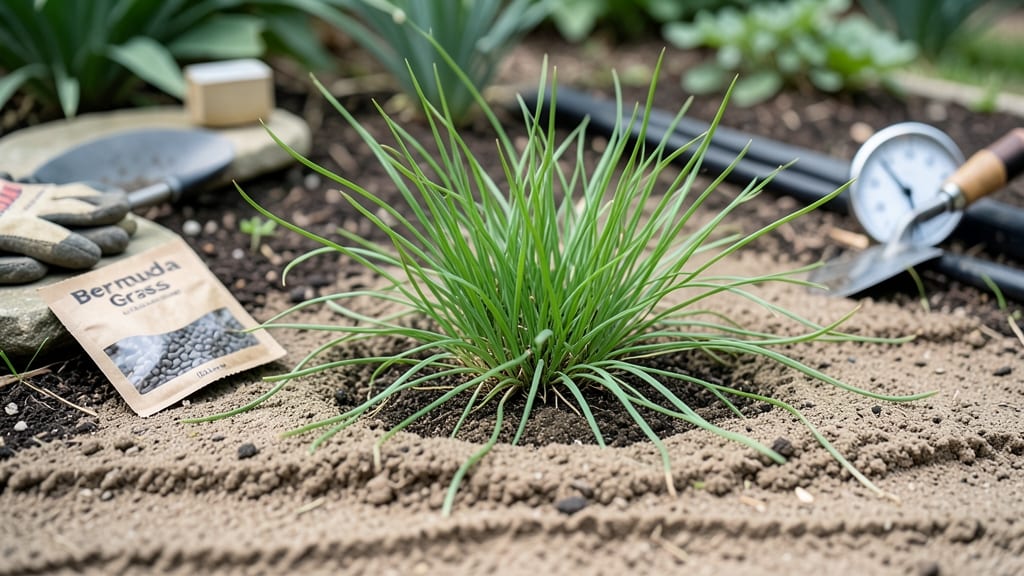
Planting Bermuda seed in Georgia after the last frost, when soil temperatures hit 65°F, is the key to a lush lawn that survives the state’s brutal summers.
Picture this: you’ve prepped the soil, spread the seed, and watered it in—only to watch it sit stubbornly dormant for weeks. That’s what happens when you plant too early, and Georgia’s 7a-8b climate gives you just a 6-week window to get it right.
Whether you’re in the Piedmont’s cooler hills or the Coastal Plain’s heat, the right timing means the difference between a thick, green carpet and a patchy, weed-infested mess. Below, I’ll break down the exact dates, soil checks, and regional tweaks to ensure your Bermuda grass 🌱 takes off fast.
You’ll discover how to time your planting for maximum germination, avoid common mistakes that kill seed, and even whether overseeding in fall could be a smarter move for your lawn’s long-term health.
Ideal soil temperature for planting Bermuda seed in Georgia
Bermuda grass thrives in Georgia’s heat, but your seeds need the perfect soil temperature to germinate properly. Planting too early or late can leave you with patchy growth or wasted seed. The ideal range is 65-75°F—this warmth signals your seeds to sprout and grow strong roots.
Why this range? Bermuda seeds are warm-season grasses, meaning they won’t germinate in cool soil. Below 65°F, seeds may rot or stay dormant, while above 75°F can dry out the soil too quickly, stunting growth. Georgia’s climate gives you a narrow window to get this right.
North Georgia (Atlanta area) typically hits 65°F soil temps by late April to early May, while South Georgia (Savannah) may reach this earlier, around mid-to-late March. Checking your soil temperature ensures you plant at the perfect time for your region.
🌡️ How to check soil temperature: Use a soil thermometer (available at garden centers for ~$10). Insert it 2-3 inches deep—this is where seeds will germinate. Check in the morning shade for the most accurate reading.
If your soil is below 65°F, wait. If it’s above 75°F, consider shading the area with a light fabric or planting in the early morning when temps are cooler. Patience here pays off with a thicker, greener lawn.
| Factor | North Georgia (Atlanta) | Central Georgia (Macon) | South Georgia (Savannah) |
|---|---|---|---|
| Ideal Soil Temp | 65-75°F | 65-75°F | 65-75°F |
| Best Planting Window | Late April-Early May | Mid-April-Mid May | Mid-March-Late April |
| Risk of Frost | Moderate (late frosts) | Low | Very Low |
| Soil Prep Time | 3-4 weeks before planting | 3 weeks before planting | 2-3 weeks before planting |
| Germination Time | 7-14 days | 7-10 days | 5-10 days |
Once your soil hits 65°F, prepare the area by removing debris and loosening the top 2-3 inches of soil. Bermuda seeds need good soil contact to germinate, so lightly rake the surface to create a fine, crumbly texture. Avoid compacting the soil, which can suffocate young seedlings.
If you plant too early (before last frost), your seeds may freeze or rot. If you wait too long (after June), the heat can stress seedlings before they establish. Aim for late spring when nights are warm but days aren’t scorching.
Pro tip: Water deeply after planting to settle seeds into the soil. Keep the area moist but not soggy—Bermuda seeds need consistent moisture to germinate, but standing water can cause rot. Use a light sprinkler or hose to mist the soil daily until sprouts appear.
In North Georgia, where frosts linger longer, wait until after May 1 to plant. In South Georgia, you can start as early as mid-March, but monitor soil temps closely. The key is consistency—once your Bermuda grass establishes, it’ll handle Georgia’s heat like a champ.
🌱 Signs your soil is ready: Warm to the touch, no frost risk, and consistently above 65°F for 3+ days. If you see weeds sprouting, your soil is likely warm enough for Bermuda seeds too.
Georgia’s frost-free window: when to plant Bermuda seed by region
Georgia’s frost-free window creates a tight deadline for planting Bermuda seed—just 6-8 weeks between the last frost and summer heat. Miss this window, and you risk seed dormancy or fungal rot. The key? Planting when soil temperatures hit 65-75°F consistently, which varies by region.
In North Georgia (Atlanta, Chattanooga), cooler nights delay germination, while South Georgia (Savannah, Brunswick) can bake seeds before they sprout. Below, I’ll map out the exact dates, regional tweaks, and whether late-spring or early-summer planting works best for your yard.
For North Georgia, aim for late April to early May—this gives seeds time to germinate before summer’s intensity. Use a soil thermometer to confirm 65°F+, and avoid planting after May 15, when heat stress becomes likely. In Atlanta’s Piedmont, morning shade can help young seedlings.
Central Georgia’s Macon and Columbus offer a wider window (mid-April to late May), but don’t push it past early June. The Red Clay Plains here drain quickly, so water deeply twice daily until germination. If you miss spring, early June can work with afternoon shade cloth.
In South Georgia, the Coastal Plain’s humidity means seeds need 70°F+ soil to avoid fungal issues. Plant early April to early June, but prioritize April to beat summer’s oppressive heat. Use light mulch (straw, not wood chips) to retain moisture without smothering sprouts.
Pro tip: If your lawn is already established, consider overseeding in fall (September) instead of spring. Bermuda’s dormancy in winter means spring seed can struggle—fall gives roots a head start for next year’s growth.