
Companion Plants
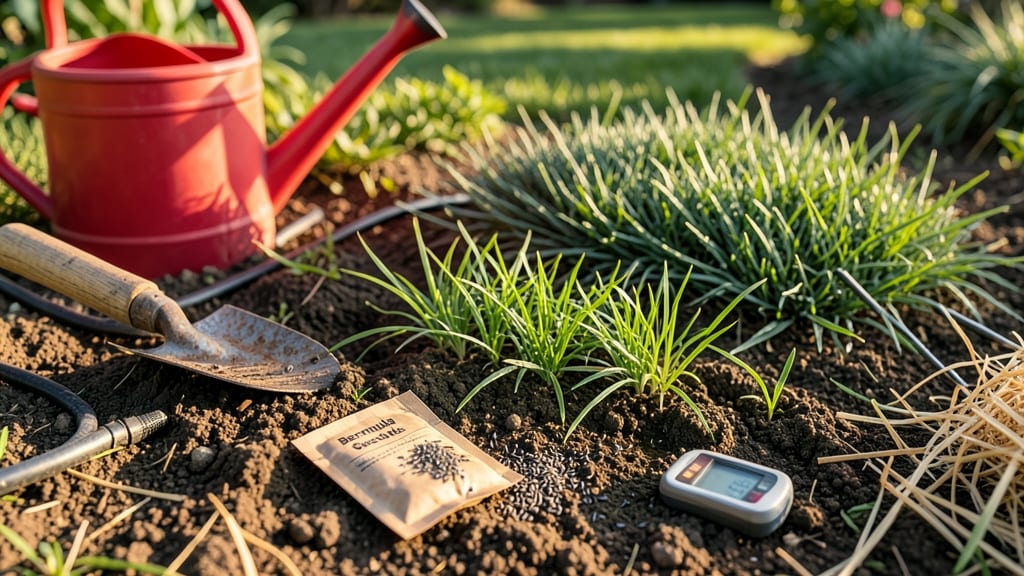
Planting Bermuda grass seed in Texas at the right time means the difference between a thriving, drought-resistant lawn and one that struggles to take hold.
If you’ve ever watched your grass turn brown under 100°F heat because you planted too early, you know how critical timing is. Bermuda grass needs warm soil—65°F or higher—to germinate properly, and Texas’s spring heat can be a double-edged sword.
For most of the state, the best window is late spring to early summer (April–June), but South Texas’s milder winters let you plant as early as March. Meanwhile, North Texas’s cooler soils may need to wait until May or even early June to avoid stress.
Below, I break down the exact planting schedule by region, soil prep tips to boost germination, and how to keep your Bermuda grass lush and heat-proof once it’s in the ground.
Ideal planting windows for Bermuda grass seed in Texas by region
Bermuda grass thrives in Texas's heat, but planting it at the wrong time can lead to poor germination and weak growth. The key is understanding your region's soil temperature and heat tolerance thresholds.
In Texas, the best windows are late spring and early fall, but exact dates vary by region.
North Texas (Dallas/Fort Worth) has cooler springs, while South Texas (Houston/Corpus Christi) experiences earlier heat waves. Central Texas (Austin/San Antonio) falls somewhere in between. Let's break down the optimal planting windows for each region to ensure your Bermuda grass establishes strong roots and drought resistance.
For North Texas, aim for mid-April to early June when soil temperatures consistently reach 65°F. This region benefits from a longer spring window because cooler nights help seeds establish before summer's intense heat arrives.
Use a soil thermometer to confirm readiness—planting too early risks frost damage, while waiting too long may stress young seedlings.
In Central Texas, soil warms faster, so the window shifts to late March through May. The key is planting before April heat spikes (often exceeding 90°F), which can cause seed desiccation. Early morning planting and daily watering are critical during this window to maintain moisture.
South Texas's earliest planting window (early March to April) reflects its warmer climate. However, the region's high heat stress risk means you must plant quickly after the last frost (typically January 15) and provide shade cloth for young seedlings until they establish.
Mulching with straw can help retain moisture during this critical period.
While spring planting dominates, early fall (August to early September) offers a secondary window across all regions. This period provides cooler nights and lower heat stress, allowing seeds to germinate without the risk of summer heat shock.
Avoid planting after early September, as fall frosts can damage young grass.
Regardless of region, always test your soil pH (6.0–7.5) and moisture levels before planting. Bermuda grass needs well-draining soil to prevent root rot, especially in Texas's heavy clay soils. Amending with compost or sand can improve drainage and create an ideal seedbed.
Timing your Bermuda grass planting correctly ensures strong root growth and drought resistance, two critical traits for Texas lawns. By following these regional guidelines, you'll give your grass the best chance to thrive in the Lone Star State's challenging climate. 🌱
Key factors that determine the best planting time for Bermuda grass in Texas
Timing your Bermuda grass seed planting in Texas isn't just about the calendar—it's about understanding your region's soil temperature, heat patterns, and rainfall cycles.
Bermuda thrives when soil hits 65°F (18°C), but planting too early risks frost damage, while waiting too long may stress young seedlings during summer's peak heat. Let's break down the science behind perfect timing to ensure your lawn establishes strong roots before Texas summers hit their fiercest.
One of the biggest mistakes I see is planting Bermuda grass seed based on air temperature alone. Soil temperature is what truly matters—seeds need that 65°F threshold to germinate consistently. In North Texas, this typically means waiting until mid-April, while South Texas gardeners can start as early as March.
But without checking, you might be off by weeks, leading to patchy growth or failed germination.
🚨
Problem: Seeds planted in 55-60°F soil may sprout unevenly or rot, wasting your seed investment. Solution: Use a soil thermometer (just $10 at garden centers) to confirm 65°F+ before planting. Check readings at 10 AM for accuracy—morning dew can skew results.
Texas' rainfall patterns also play a crucial role. Bermuda grass needs consistent moisture during germination, but too much rain can drown seeds or spread fungal diseases. In Central Texas, aim for the late spring window (May) when rains are reliable but not excessive.
South Texas gardeners should target early fall (August-September) to take advantage of natural rainfall before winter droughts set in.
Heat stress is another silent killer of new Bermuda grass. If you plant in June or July, seedlings may struggle to establish before Texas summers demand 100°F+ soil temperatures. I've seen lawns planted too late suffer from heat shock, where young grass turns brown and dies back.
The solution? Plant in late spring (when nights are still cool) or early fall (when days begin cooling).
Don't overlook weed competition—another timing factor. Planting Bermuda grass seed when weeds are already established means your new grass will compete for sunlight, water, and nutrients. A smart strategy?
Apply a pre-emergent herbicide 2-3 weeks before planting to suppress weeds, then sow your Bermuda seed when soil is warm and weed pressure is low. This two-step approach gives your grass a fighting chance.
Finally, consider your mowing schedule. Bermuda grass grows aggressively once established, but young seedlings need time to develop strong root systems before facing regular mowing. If you plant in late spring, wait until grass reaches 3-4 inches tall before your first mow.
This timing ensures roots penetrate 4-6 inches deep, making your lawn drought-resistant and heat-tolerant for years to come. 🌱