
Plants
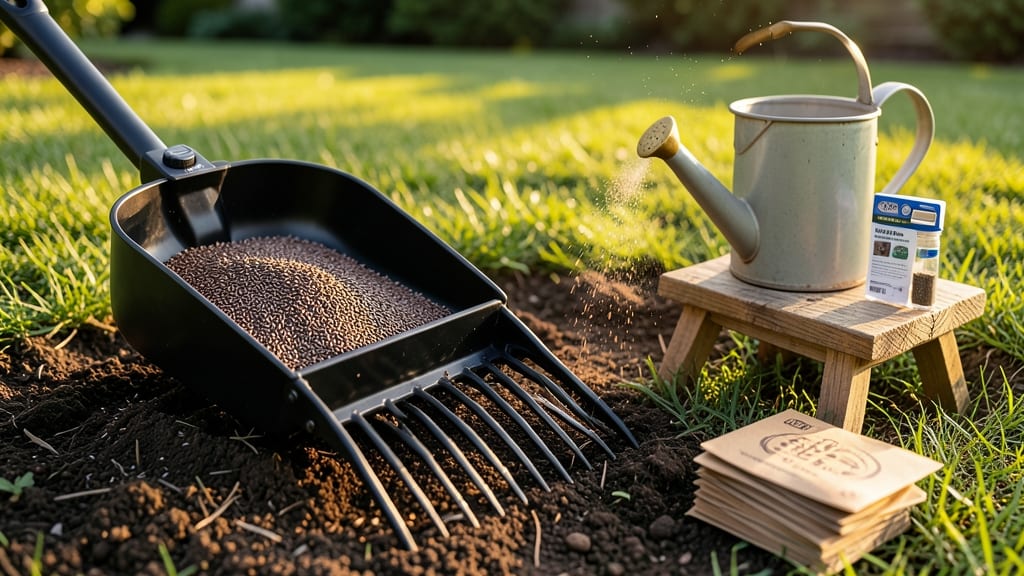
Planting grass seed in North Texas requires timing it perfectly to beat the heat and frost—aim for late August through October or March to early April for the best results.
Picture this: you’ve spent hours spreading grass seed, only to watch it dry out in the afternoon sun or get smothered by a late frost. That’s why the 4-6 week window before your first frost is critical for fall planting, giving seedlings time to root before winter sets in.
North Texas’s 8a climate means you’ve got two prime chances each year: cooler fall months when soil stays moist, and early spring before temperatures climb. But don’t just guess—soil prep, watering schedules, and grass type matter just as much as the calendar.
In this guide, I’ll break down the exact months to plant, how to prep your soil for Texas heat, and the 3 mistakes that kill grass seed before it even takes hold. Let’s get that lawn started right.
North Texas grass seed planting calendar: best months by season
Timing your grass seed planting in North Texas is critical—get it wrong, and you'll battle heat stress or uneven germination. The USDA Zone 8a climate gives us two prime windows: fall and spring, with temperature thresholds that separate success from struggle.
Let’s break down the exact months and microclimate nuances for Dallas-Fort Worth, Waco, and East Texas zones.
Fall planting—my top recommendation—lets grass establish roots before winter. Aim for late August through October, when daytime highs hover between 75°F and 85°F. This range gives seeds time to germinate without the scorching summer heat or early frost risks.
Spring planting is trickier; March to early April works, but you’ll race against rising temperatures that can dry out seeds before roots take hold.
Regional microclimates add complexity. East Texas (like Tyler) stays warmer longer, pushing fall planting to mid-October. Meanwhile, Dallas-Fort Worth and Waco face earlier frosts, so September is your last safe month. Always check your local frost dates—they’re your planting deadline.
Summer planting? Only attempt it with shade-tolerant varieties like Zoysia or Bermuda, and only in June when temps dip below 95°F. Most cool-season grasses (like Tall Fescue) will bake in the heat and fail to establish.
For cool-season grasses (like Tall Fescue), September is peak time. Soil temps should be 60–75°F—use a soil thermometer to confirm. Warm-season grasses (like Bermuda) thrive when planted in late spring, but only if you can keep soil moist through 100°F+ days.
Pro tip: Water deeply twice daily for the first 14 days to prevent desiccation.
Microclimates matter. East Texas (e.g., Tyler) holds warmer soils longer, so you can plant Zoysia in early June. But in Dallas, even June planting risks heat stress—stick to shade-tolerant varieties if you try it. Waco’s calcareous soil drains faster, so irrigate 10% more than neighboring areas.
Don’t ignore rainfall patterns. September often brings consistent showers, reducing your watering load. But October can swing dry—have a backup irrigation plan. For spring planting, aim for March when daytime highs are 70–75°F.
If you wait until April, seeds may sprout then wilt as temps climb.
One non-negotiable rule: Never plant when daytime highs exceed 90°F. Grass seeds won’t germinate in extreme heat. Use a shade cloth if planting in late May or early June, but even then, success rates drop.
For fall planting, late August is your last chance before summer’s brutal heat sets in.
Regional soil differences also play a role. Clay-heavy soils in East Texas stay moist longer, while sandy soils
How to prepare your soil for grass seed in North Texas heat
North Texas summers bring brutal heat and dry spells that can turn fresh grass seed into a failed project before it even starts. The key to success? Preparing your soil to retain moisture, support root growth, and protect seedlings from 100°F+ temperatures.
I’ve learned the hard way—skipping soil prep means battling dry patches and weak germination even with the best grass seed.
For heat-resistant varieties like Bermuda, Zoysia, or St. Augustine, your soil needs to be loose, well-draining, and rich in organic matter. These grasses thrive when they’re not struggling to pull moisture from compacted clay or rocky North Texas soil.
Let’s break down the exact steps to get your lawn ready for planting.
First, test your soil’s pH—ideal levels for warm-season grasses are between 6.0 and 7.5. If your soil is too acidic or alkaline, seedlings will struggle to absorb nutrients.
You can grab a soil test kit from your local garden center or send a sample to the Texas A&M AgriLife Extension for a detailed report.
⚠️ callout-warning
North Texas heat spikes in June, July, and August, making these months terrible for grass seed. Seedlings can’t survive soil temps above 85°F. Even shade won’t save them—wait until late August or early September for fall planting or March to early April for spring. Pro Tip: Use a soil thermometer to check temps before seeding—ideal range is 60-75°F.
Next, aerate your lawn to break up compacted soil. Rent a core aerator or use a manual spike aerator to create 1/2-inch holes every 3-4 inches. This lets air, water, and roots penetrate deeply.
After aerating, top-dress with 1/4 inch of compost to improve moisture retention and add nutrients. For clay-heavy soils, mix in sand or peat moss to loosen the texture.
To lock in moisture, apply a thin layer of mulch (like straw or wood chips) after seeding. This keeps the soil cool and prevents water evaporation. For extra protection, consider a lightweight shade cloth (30-50% coverage) during the hottest part of the day until seedlings are 2-3 inches tall.
Water deeply in the early morning to avoid fungal issues.
Finally, choose the right grass seed variety for your North Texas climate. Bermuda grass handles heat and drought but needs full sun, while Zoysia is drought-tolerant but grows slower. St. Augustine thrives in shade but struggles in extreme heat. Match your seed to your yard’s conditions for the best results.