
Propagation
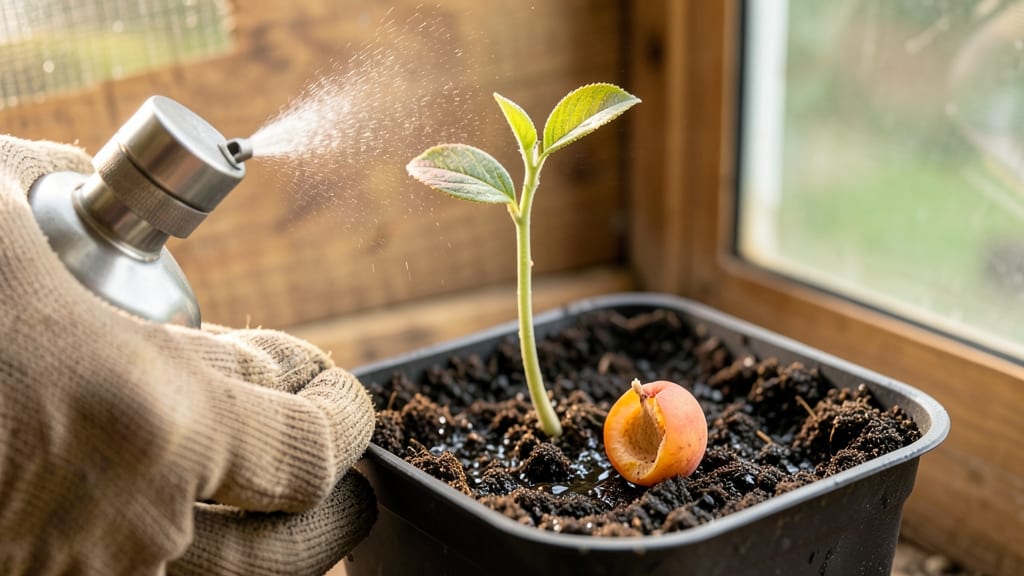
A peach seed takes 60 to 90 days to germinate when properly cold-stratified — but skip this step, and you might wait months, if it ever happens at all.
Ever wondered if that peach pit in your fruit bowl could sprout into a tree? Germinating peach seeds isn’t just a fun experiment—it’s a rewarding process, but timing is everything.
Without proper cold stratification, your seed may never break dormancy, leaving you frustrated instead of growing a lush 🍑 peach tree.
Most gardeners overlook the critical cold period that mimics winter conditions, which tricks the seed into thinking it’s time to grow. Too warm, and the seed stays dormant; too cold, and it rots. The key is finding that sweet spot of 34-41°F for weeks on end.
In this guide, I’ll walk you through the exact steps to cold-stratify your peach seeds, how to spot the first signs of life, and what to do once those tiny sprouts finally appear. No more guesswork — just reliable, step-by-step instructions for success.
Peach seed germination timeline: cold stratification stages explained
Germinating a peach seed from that juicy pit is one of the most rewarding gardening experiments you can try! But here’s the catch: without cold stratification, your seed might never sprout. This process mimics winter’s natural chilling period, breaking dormancy so life can begin.
For peach seeds, the timeline spans 60 to 90 days of cold treatment before germination even begins. Let’s break it down step by step so you know exactly what to expect.
First, you’ll need to prepare your peach pit by removing the fleshy fruit and cleaning off any remaining pulp. Once dry, store it in a sealed container or paper towel to prevent mold. The key to success lies in maintaining the right temperature range of 34-41°F during stratification.
Too warm, and the seed won’t break dormancy; too cold, and it may rot. Patience is critical—this isn’t a quick process, but the wait is worth it for that first tiny sprout!
Here’s your step-by-step germination timeline for peach seeds, including the critical cold stratification phases and what to watch for at each stage:
Clean the peach pit thoroughly, removing all fruit residue. Let it dry completely for 24 hours to prevent mold.
Place the seed in a sealed container with a damp paper towel. Store in the fridge at 34-41°F for 60-90 days. Check monthly for moisture—never let it dry out.
Around 8-10 weeks, the seed may start to soften slightly. This signals the end of dormancy—resist the urge to plant it yet!
After 90 days of cold treatment, transfer the seed to a warm spot (around 70°F) to kickstart germination. Keep the paper towel damp but not soggy.
Within 2-4 weeks of warming, the radicle (root) will appear first, followed by the shoot. This is your cue to prepare pots for transplanting!
True leaves will emerge after 6-8 weeks from the radicle stage. At this point, your seedling is ready for individual pots with well-draining soil.
Timing can vary slightly depending on the peach variety and environmental conditions, but this general timeline gives you a clear roadmap. For example, some seeds may sprout as early as 14 weeks from the start of stratification, while others might take up to 20 weeks.
The key is consistency—keep those conditions stable, and your patience will pay off with a tiny peach sapling!
One common mistake is rushing the process. If you skip cold stratification or use room-temperature methods, germination rates drop dramatically. I’ve seen seeds fail to sprout when gardeners move them to warm conditions too soon.
Always let nature’s rhythm guide you—your peach seed knows exactly when it’s ready to grow!
Once your seedling reaches 4-6 inches tall, it’s time to harden it off before transplanting outdoors. This gradual adjustment to sunlight and temperature ensures your young tree thrives. Remember, peach trees grown from seeds may take 3-5 years to bear fruit, but the journey is part of the magic.
Every stage—from that first sprout to the first blossom—is a testament to your gardening skills.
Pro tip: Label your seeds and track their progress in a gardening journal. Note the exact days for each stage, as this helps refine your technique for future attempts.
Over time, you’ll develop a feel for the ideal conditions that work best in your climate. Happy growing—your future peach tree is counting on you!
🌱
How to cold stratify peach seeds for faster and more reliable germination
Cold stratification mimics winter conditions, breaking a peach seed's natural dormancy so it knows when to sprout. Without this step, your peach pit may sit in the soil for months—or never germinate at all.
The key is patience and precision, as peach seeds need 60-90 days of cold, moist conditions to trigger growth. I’ve tried all three methods—wet paper towel, refrigerator, and outdoor winter planting—and each has its pros and cons.
First, clean your seeds by removing the fleshy fruit and rinsing off any residue. Then, place them in a moist paper towel or damp sand for the stratification process. The goal is to keep them consistently moist but not soggy, as excess water leads to mold or rot.
I’ve learned this the hard way—overwatering can ruin your entire batch in days. Let’s compare the three methods to help you choose the best fit for your timeline and setup.
The wet paper towel method is my go-to for indoor growers. Place seeds between two damp paper towels in a sealed plastic bag, then store them in your refrigerator’s crisper drawer. Check them every 2 weeks—if they dry out, mist them lightly.
This method gives you full control over moisture and temperature, but it requires daily checks to prevent mold. I’ve had the best success with this approach, seeing radicle emergence in as little as 45 days.
For outdoor winter planting, bury seeds 2-3 inches deep in a protected spot (like under a mulch pile) in late fall. This mimics natural conditions, but it’s less predictable. Animals may dig them up, or freeze-thaw cycles could damage them.
If you choose this route, mark the spot with a stake or flag so you don’t forget where they’re planted. I’ve seen this method work beautifully, but it’s best for those with patience and a garden.
Once your seeds complete stratification, plant them in well-draining soil and keep them moist but not soggy. Germination typically occurs within 14-30 days after planting, depending on warmth and soil conditions.
The key is consistency—don’t let the soil dry out during this critical phase. With the right approach, you’ll have healthy peach seedlings ready for transplanting in spring.
Remember, every seed is unique, and germination times can vary. If you’re eager to see results, the wet paper towel method is your fastest bet. But if you’re planting outdoors, embrace the natural timeline—sometimes the best things grow with time. Happy stratifying! 🌱