
Lawn
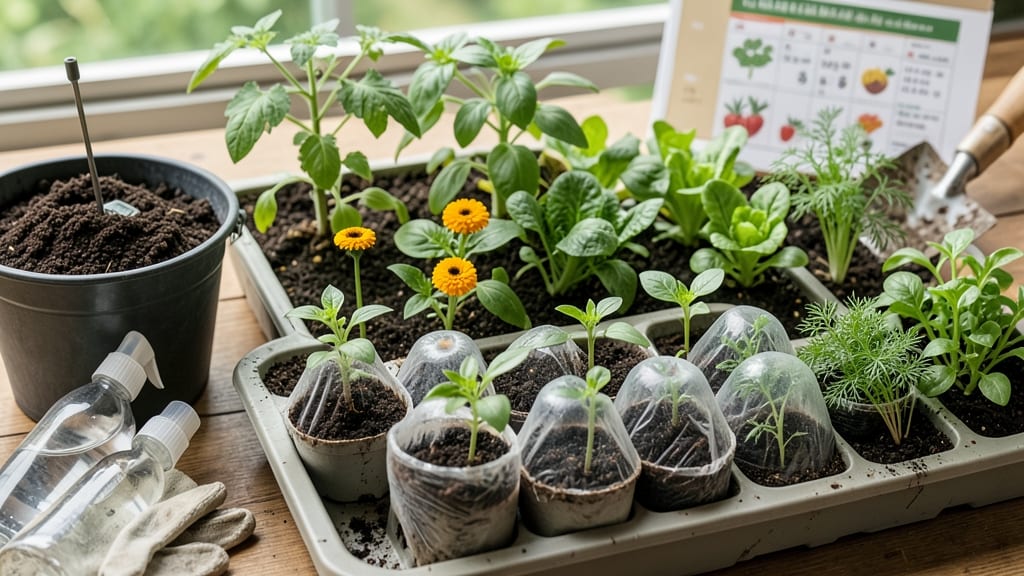
A seed planting schedule is your gardening roadmap—miss the window, and you risk leggy seedlings or wasted seeds. Whether you're a first-timer or a seasoned pro, getting the timing right means the difference between a thriving garden and a frustrating flop.
Timing is everything in gardening—plant too early or too late, and your seedlings could freeze, bolt, or fail to thrive. This month-by-month seed planting schedule ensures you hit the perfect window for your hardiness zone, maximizing yields and minimizing wasted effort.
From cool-season crops like spinach to heat-lovers like tomatoes, each plant has its own ideal planting time. We’ll break down exact deadlines by zone, plus pro tips for adjusting schedules when weather throws curveballs.
Ready to stop guessing and start growing? Here’s how to plan your year-round seed schedule like a pro, with charts, adjustments, and foolproof timing for every type of plant.
Hardiness zone seed planting deadlines: when to start indoors vs. direct sow
Getting your seed planting schedule right means the difference between a thriving garden and wasted effort. USDA hardiness zones 3-10 have wildly different frost dates, so knowing when to start seeds indoors versus direct-sowing outdoors is key.
Cold-hardy crops like spinach and peas can handle early spring, while tomatoes and basil need warm soil to thrive. Let’s break down the perfect timing for your zone.
First, locate your USDA hardiness zone—this determines your last frost date, which is the foundation of your schedule. For example, Zone 3 gardeners have a shorter growing season than Zone 10, so timing adjustments are critical.
Below, I’ve mapped out month-by-month deadlines for indoor starts and direct sowing, tailored to common crops. Pro tip: Always check seed packet instructions—they often include zone-specific guidance.
🌱
For Zone 3-4 gardeners, your last frost typically arrives in late April to early May, so start tomatoes and peppers indoors by early April. Direct sow spinach and kale as soon as the soil thaws—these cold-hardy crops can even handle light frost.
In Zone 7-8, you’ve got more flexibility: start warm-season crops indoors in February and direct sow by mid-March.
If you’re in Zone 9-10, where winters are mild, you can start seeds year-round. Begin basil and cucumbers indoors in January for an early spring harvest, and direct sow marigolds as early as February.
The key is avoiding heat stress—most seedlings prefer soil temps between 60-75°F. Use a soil thermometer to check before planting.
🌿
Don’t forget about succession planting—this technique lets you extend harvests by sowing seeds every 2-3 weeks. For example, plant lettuce every 10 days from March to September in Zone 7 to enjoy fresh greens all season.
Similarly, radishes mature in just 30 days, making them perfect for quick succession crops. Mark your calendar with these monthly deadlines to stay on track:
March: Start cool-season veggies indoors (spinach, broccoli). April: Direct sow peas and carrots; start tomatoes indoors. May: Transplant seedlings; direct sow beans and cucumbers. June: Sow fall crops (kale, radishes) for late-season harvests.
🌱
Pro tip: Use
How to adjust your seed planting schedule for early or late seasons
Life throws curveballs—unexpected frost, heatwaves, or rainy seasons can mess up even the best-laid seed planting schedule. The good news? With the right tools and techniques, you can extend your growing season by weeks, if not months.
Whether you're dealing with a coastal microclimate that stays mild or an inland zone with sudden freezes, these adjustments will keep your garden thriving.
Think of your garden as a flexible calendar. While standard planting charts give you a baseline, seasonal adjustments let you fine-tune for your local conditions. For example, a cold frame can push spring planting back by 4-6 weeks, while row covers protect tender seedlings from late frosts.
Let’s dive into the tools and strategies that work—no matter what Mother Nature throws your way.
Don’t let unpredictable weather derail your garden. For example, if your last frost date shifts later than expected, use black plastic mulch to warm the soil and plant cold-hardy crops like peas 10 days ahead. Conversely, if a heatwave hits early, move tender seedlings to shade cloth until temps drop.
Pro tip: Keep a garden journal to track adjustments year after year. Note which strategies worked best for your zone—like whether row covers delayed frost damage by 2 weeks or if succession planting doubled your bush bean harvest. Over time, you’ll refine your schedule to perfection.
With these tools, your garden can thrive earlier, later, and longer—no matter what the weather brings. Start small, test one technique at a time, and watch your planting schedule become a year-round success story.