
Plants
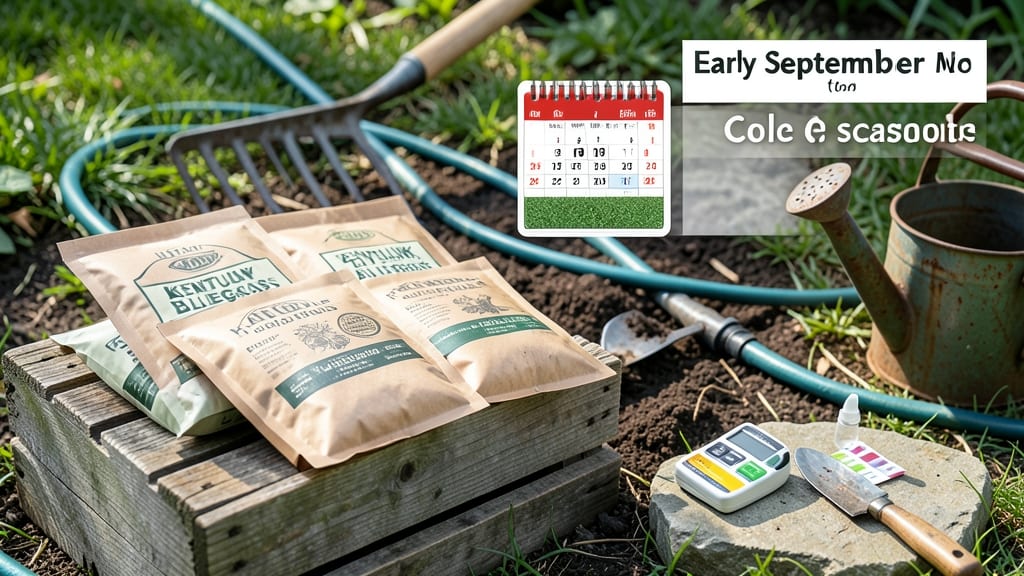
Planting grass seed in Utah at the right time is the key to a thick, green lawn that survives both winter freezes and summer droughts.
Utah’s unpredictable climate—from scorching summers to chilly winters—can make timing your grass seed planting a real challenge. Plant too early, and frost may kill your seedlings; too late, and heat stress can stunt growth. Get this right, and you’ll have a lush, resilient lawn that thrives year-round.
For most of the state, the best window is late summer to early fall (August–September) or early spring (March–April), when soil temperatures hover between 60–75°F. Northern Utah’s cooler zones (like Cache Valley) lean toward spring planting, while southern Utah’s warmer areas (like St. George) can handle late summer sowing.
Below, I’ll break down the exact months for your region, how to prep your soil, and the heat-tolerant varieties that make Utah lawns possible—no matter when you plant.
Optimal planting windows for Utah grass seed: cool-season vs. heat-tolerant varieties
Utah’s diverse climate—with northern regions experiencing earlier frosts and southern areas basking in longer growing seasons—demands precision when planting grass seed.
Cool-season grasses like Kentucky bluegrass and fescue thrive in Utah’s spring and fall, while heat-tolerant varieties such as Bermuda grass and buffalo grass prefer late spring to early summer. Timing isn’t one-size-fits-all; it’s about matching your local microclimate to the seed’s needs.
For northern Utah (USDA zones 5–6), the ideal planting window stretches from mid-April to early June for cool-season grasses and late May to July for warm-season types. In southern Utah (zones 7–8), you’ve got a slightly longer window—March to early May for cool-season and June to August for heat-lovers.
But here’s the catch: soil temperature matters more than calendar dates.
Your grass seed needs soil temps between 60°F and 75°F for optimal germination. In northern Utah, this typically aligns with late April to early May, while southern Utah hits these temps as early as mid-March.
Plant too early, and frost risk can kill tender seedlings; too late, and heat stress stunts growth. Use a soil thermometer to check—it’s your best friend for nailing the perfect window.
If you’re in northern Utah, aim for late April to early May for cool-season grasses. This window balances frost risk and soil warmth, giving seedlings the best shot at establishing before summer heat arrives.
For warm-season grasses, wait until late May to July—planting earlier risks frost damage, while planting later may leave your lawn vulnerable to weed competition.
Southern Utah gardeners have more flexibility. Cool-season grasses can go in as early as March, while warm-season types thrive when planted from June to August. The key is avoiding extreme heat (above 85°F), which can cause seed to dry out before germination.
Always check the 10-day forecast for stable temps—consistent conditions are critical for success.
Don’t overlook elevation differences. High-altitude areas (like Park City) may need to delay planting by 2–3 weeks compared to St. George or Provo
How to prepare your Utah lawn for grass seed success: soil, weather, and seed selection
Before you even think about scattering grass seed, your Utah lawn needs the perfect foundation. Utah’s soils are naturally alkaline (often pH 7.5–8.5), which can block nutrient uptake and stunt seedling growth.
Start by testing your soil’s pH with a simple kit from your local garden center—aim for a neutral to slightly acidic range (6.0–7.0) for cool-season grasses like tall fescue or Kentucky bluegrass.
If your soil is too alkaline, amend it with elemental sulfur (apply 2–4 lbs per 100 sq ft and water deeply). For compacted clay soils common in Utah’s valleys, rent a core aerator to create 1/2-inch deep holes every 3–4 inches.
This lets roots breathe and improves water penetration—critical in Utah’s dry summers.
📅 When Is the Best Time to Plant Grass Seed in Utah?
Next, clear the area of weeds using a non-selective herbicide (like glyphosate) 2 weeks before planting, or hand-pull them with a weeding knife. Utah’s cheatgrass and Russian thistle are persistent—don’t let them compete with your seedlings.
After weeding, rake the soil smooth to create a fine seedbed, then lightly roll it with a lawn roller to ensure good seed-to-soil contact.
Choosing the right seed blend is non-negotiable. For Utah’s 3,000–6,000 ft elevations, opt for a tall fescue mix (drought-tolerant and shade-friendly). Above 6,000 ft, add Kentucky bluegrass for durability in cooler zones.
Southern Utah’s 9,000+ ft desert areas thrive with buffalo grass or bermudagrass blends—both handle heat and low water.
Finally, monitor the 10-day weather forecast before planting. Utah’s sudden monsoon rains or dry spells can derail germination. Aim for a 4–6 week window with consistent moisture—water lightly twice daily for the first 2 weeks, then taper to 1/2 inch per week.
A mulch mat (straw or peat) helps retain moisture in Utah’s windy conditions.
With the right prep, your Utah lawn will establish roots before summer’s heat sets in—or survive winter’s chill. Start now, and you’ll be enjoying a thick, green carpet by next spring. 🌱