
Companion Plants
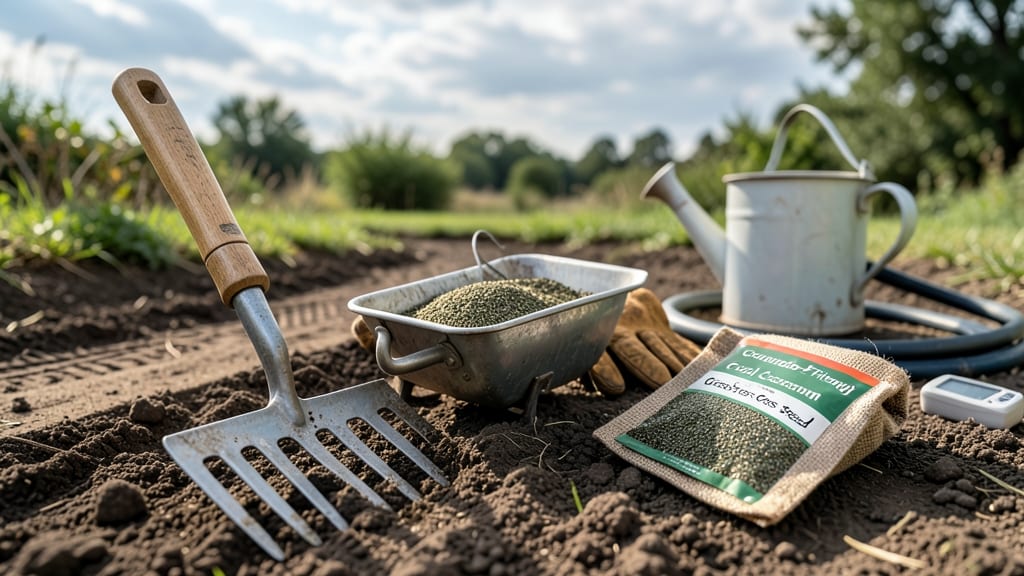
Planting grass seed in Colorado at the right time ensures fast germination and a thick, green lawn—whether you’re seeding in the Front Range or the Western Slope.
Timing your grass seed planting in Colorado can mean the difference between a lush, green lawn and months of bare soil—especially with the state’s dramatic elevation shifts and unpredictable weather patterns.
Most gardeners in zones 5-7 swear by early spring (March-April) or early fall (August-September) for the best results, but your exact window depends on altitude and frost dates.
Below, I’ll break down the ideal months for your region, soil prep tips, and how to keep your new grass thriving once it’s in the ground.
Best planting months for grass seed in Colorado by elevation zone
Colorado’s elevation zones create wildly different conditions for grass seed germination. At 5,000 feet in the High Plains, you might plant in early March, while at 9,000 feet in the mountains, late April is safer. Soil temperatures below 55°F (13°C) delay germination, and late plantings risk summer drought stress.
The key is matching your elevation to the right window when soil temps hit 60-65°F (16-18°C)—the sweet spot for most grass types. Below, I’ve broken down the ideal months for Colorado’s three main zones, plus soil prep tips to maximize success.
🌱
| Elevation Zone | Best Planting Window | Soil Temp Threshold | Key Considerations |
|---|---|---|---|
| High Plains (3,500–5,000 ft) | Early March–April or late August–September | 55–65°F (13–18°C) | Warmer microclimates; drought risk in summer |
| Front Range (5,000–7,000 ft) | Mid-April–May or early September | 60–70°F (16–21°C) | Moderate temps; spring frost risk |
| Mountain (7,000–9,000 ft) | Late April–June or late August | 65–75°F (18–24°C) | Cooler soils; shorter growing season |
For the High Plains, early spring planting (March–April) lets seeds germinate before summer’s heat, while late summer (August–September) avoids drought stress. Test soil moisture—it should feel like a damp sponge, not mud.
In the Front Range, mid-April to May is ideal because soil warms faster than at higher elevations. Avoid planting after June 15, as summer drought and heat stress can kill new seedlings. Use a soil thermometer to confirm temps are above 60°F (16°C).
At 7,000+ feet, mountain zones need patience. Late April to June aligns with snowmelt and warming soils. Cool-season grasses like Kentucky bluegrass thrive here, but warm-season types (e.g., Bermuda) struggle above 6,500 feet.
💧
No matter your elevation, soil prep is critical. Loosen the top 4 inches of soil with a rake or tiller, then level the area. Add compost to improve drainage—Colorado’s clay-heavy soils need this help. A light starter fertilizer (10-10-10) at planting boosts root growth.
After seeding, keep the soil consistently moist but not soggy. Use a light mulch (straw or peat moss) to retain moisture and protect seeds from wind. Water gently in the morning to avoid fungal diseases.
✂️
How Colorado’s microclimates affect grass seed germination success
Colorado’s microclimates can turn your grass seed planting success—or failure—on a dime. A spot just 100 feet higher might experience 2 weeks later frost or 10°F cooler soils, throwing off your entire planting schedule.
Even within the same neighborhood, wind exposure or sunlight variations can create dramatic differences in germination rates.
For example, my garden in Denver (5,280 ft) gets morning sun but afternoon shade from a hill, while my friend’s yard just two blocks away—with full afternoon sun—can plant 2 weeks earlier in spring.
These microclimates aren’t just about elevation; they’re about localized conditions that demand careful observation before you even buy seed.
⚠️
Wind exposure can dry out seeds 3x faster in exposed areas. If your yard has prevailing winds (common in the Front Range), plant in a protected microclimate or use a windbreak (like temporary fencing or straw bales) until seeds germinate. High-altitude areas (7,000+ ft) face stronger UV radiation, which can scorch young grass—always water deeply in the morning to protect tender sprouts.
Let’s talk frost dates, the #1 factor I see gardeners overlook. The average last frost date for Denver is April 15, but in Grand Junction (4,400 ft), it’s March 15—meaning you can plant 6 weeks earlier there.
Conversely, in Leadville (10,000 ft), the last frost lingers until June 1, pushing planting windows into late May or early June.
Use the USDA Plant Hardiness Zone Map as a starting point, but local weather stations (like those from the Colorado Climate Center) will give you real-time data for your specific microclimate.
Rainfall patterns are another game-changer. The Western Slope (e.g., Durango) gets 20+ inches of rain annually, while the High Plains (Pueblo area) sees only 12 inches.
If you’re planting in late summer (August–September), check your 30-day forecast—a dry spell can turn your new lawn into crispy kindling. I once planted tall fescue in late August in Fort Collins during a drought, and it took 3 weeks of daily watering just to get sprouts.
Timing is everything.
Don’t forget soil moisture retention, which varies wildly. Clay soils in Boulder County hold moisture longer than sandy soils in Lamar, meaning you can water less frequently in clay-heavy areas.
Test your soil’s moisture-holding capacity by digging a hole, filling it with water, then checking how long it takes to drain. If water pools after 24 hours, your soil drains poorly—amend with compost or perlite before planting.
For mountain microclimates (7,000–9,000 ft), cool nights and short growing seasons favor cool-season grasses like Kentucky bluegrass or fine fescue. These varieties germinate at 50°F (10°C), while warm-season grasses (e.g., Bermuda) need 70°F (21°C) and struggle above 6,500 feet.
My neighbor in Evergreen (7,500 ft) tried planting Zoysia last summer—it died within weeks. Match your grass type to your microclimate, or you’ll waste seed and money.
🌱