
Companion Plants
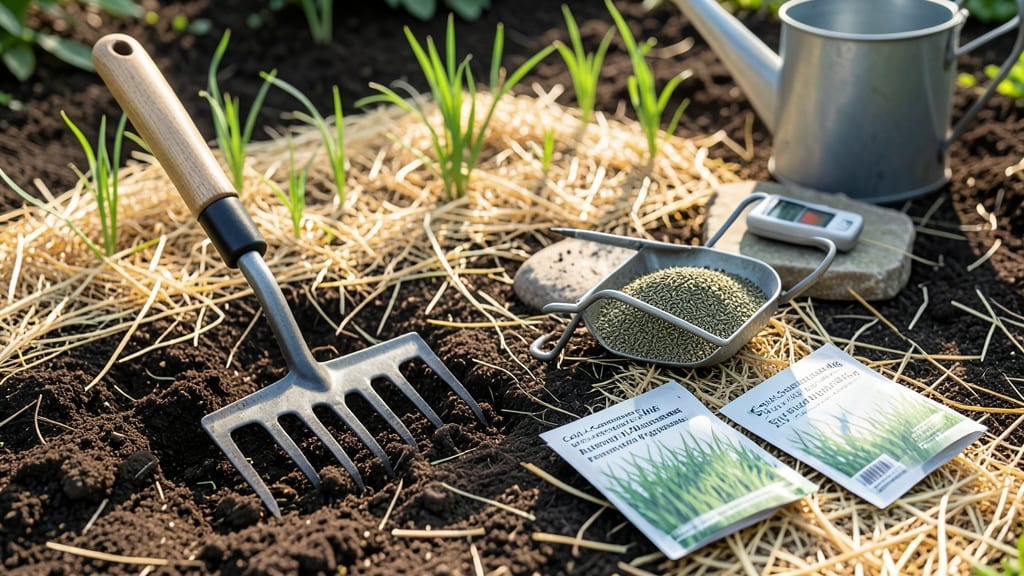
Planting grass seed in the fall gives your lawn a head start for next spring’s thickest, greenest growth—but get the timing wrong, and you’ll end up with frost-bitten seedlings or weak roots.
Fall is the perfect time to plant grass seed—but timing it wrong can leave your lawn vulnerable to frost or weak growth. Get the exact window for your climate zone to ensure thick, resilient roots before winter sets in.
In USDA Zone 6a, like many northern regions, aim for 4-6 weeks before your first frost (typically late September to early October). This gives grass enough time to germinate and establish roots before the ground freezes.
Below, I’ll break down the ideal planting window for your zone, soil prep tips to boost success, and how to tell if you’ve planted too early or too late—so you can avoid common mistakes and wake up to a lush lawn next spring.
Fall grass-seeding deadlines by USDA hardiness Zones: when to plant for frost-proof roots
Timing your fall grass seed planting depends entirely on your USDA hardiness zone. In colder northern zones like 3-5, you have just 4-6 weeks before frost to get seeds established. Meanwhile, warmer southern zones (8-10) enjoy a longer window—sometimes until November—thanks to milder winters.
The key is planting when daytime temps stay above 60°F (15°C) but nights dip toward 50°F (10°C).
Grass seeds need 4-6 weeks of warm soil to germinate and develop roots before winter dormancy. If you plant too early, weeds will outcompete your seedlings.
Too late, and frost will kill tender sprouts. Below, I’ve mapped out the exact windows for each zone, including soil temperature thresholds and frost date adjustments.
🌱 Pro Tip: Use a soil thermometer to confirm temps are 55-65°F (13-18°C) at planting time. Cooler soils slow germination, while warmer soils can stress seedlings.
In Zones 3-4, where winters are harsh, aim for mid-August planting to ensure roots establish before snow cover. These northern regions often see earlier frosts, so don’t wait past early September.
For Zones 5-6, like much of the Midwest, late August to mid-October works best—just monitor soil temps closely.
Southern gardeners in Zones 7-10 have more flexibility. In Zone 7, you can plant until early November, while Zones 9-10 might even seed in December if frost isn’t imminent.
However, warm-season grasses (like Bermuda) should still be planted in late spring—fall is for cool-season varieties like Kentucky bluegrass or fescue.
If your area had an early frost last year, adjust your planting window 2 weeks earlier. Conversely, if summers were unusually warm, delay seeding until late September to avoid heat stress on seedlings. Always check your local cooperative extension service for microclimate adjustments.
After planting, maintain consistent moisture—aim for 1 inch of water per week—until seeds germinate. In drier zones (like Zones 7-10), use mulch to retain soil moisture. Once established, your lawn will reward you with thick, frost-resistant roots ready to explode in spring.
For overseeding existing lawns, follow the same zone guidelines but reduce seed rates by 25%. Thin lawns benefit from late September planting in most regions, giving new seeds time to fill gaps before winter.
🌿 Key Takeaway: The 60°F soil temp rule applies universally, but your local frost date is your true deadline. Use a frost calendar from your state’s agriculture department for precision.
How to prepare your lawn for fall grass seed: soil, weather, and pre-planting checklist
Before you even consider planting grass seed in the fall, your lawn needs the right conditions to help those seeds germinate and establish strong roots. Start by testing your soil’s pH—most cool-season grasses thrive in a pH range of 6.0 to 7.0.
If your soil is too acidic or alkaline, amend it with lime (to raise pH) or sulfur (to lower pH) at least 4-6 weeks before planting.
Next, choose the right grass seed type for your climate. Cool-season grasses like tall fescue, Kentucky bluegrass, and perennial ryegrass are ideal for fall planting in most northern regions. Warm-season grasses like Bermuda or Zoysia should be planted in late spring or early summer instead.
🌱
When Should I Plant Grass Seed in the Fall?
Timing is everything:
- 📅 USDA Zones 3-5: Plant between mid-August and mid-September (4-6 weeks before first frost).
- 📅 USDA Zones 6-7: Aim for late August to early October (soil temps should stay above 50°F for germination).
- 📅 USDA Zones 8-10: Plant in September-October, but avoid planting too close to winter rains, which can wash seeds away.
Pro Tip: Check your local frost date and plant 6 weeks before to give seeds time to establish roots.
Aerating your lawn is a critical step you can’t skip. Use a core aerator to pull out small soil plugs, creating channels for seeds, water, and nutrients to reach the roots. Focus on areas with high foot traffic or compacted soil, as these spots often prevent proper seed-to-soil contact.
After aerating, spread a starter fertilizer with a high phosphorus content (look for a 10-20-10 or 5-10-5 ratio) to encourage root development. This is different from regular lawn fertilizer—it’s designed to jumpstart growth without promoting excessive top growth, which can be weak in fall.
Finally, weather-proof your lawn by covering newly seeded areas with straw mulch (not wood chips, which can mat down). This protects seeds from drying winds and bird interference while keeping moisture levels consistent.
Water lightly every day to keep the top inch of soil moist until germination (usually 7-14 days for cool-season grasses).
Once your grass reaches 3-4 inches tall, you can reduce watering to 2-3 times per week and gradually introduce a light mowing schedule to encourage density. By winter, your lawn should have a thick root system ready to survive frost and wake up lush next spring.
✂️