
Plants
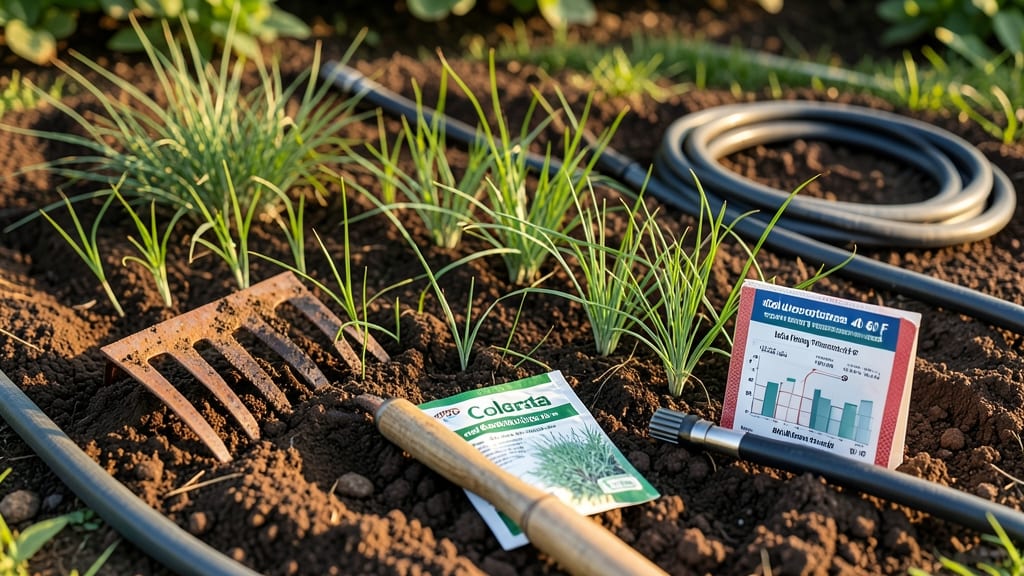
Planting grass seed in Colorado at the right time ensures strong root growth before summer heat or winter frost hits — the key to a lawn that thrives year-round.
Timing your grass seed planting in Colorado can mean the difference between a lush, green lawn and a patchy, struggling one—especially with the state’s dramatic elevation shifts and unpredictable weather patterns.
In USDA Zones 5-7, the best windows are early spring (March–April) or early fall (September–October), when soil temperatures hover around 50°F and moisture levels are ideal for germination.
Below, I’ll break down the exact months by elevation zone, soil prep tips to avoid common mistakes, and how to adjust for Colorado’s unique microclimates—so you can finally get that thick, even lawn you’ve been dreaming of.
Best months to plant grass seed in Colorado by elevation zone
Colorado’s elevation zones create unique challenges for grass seed germination. At 3,500–5,000 feet in the High Plains, spring arrives earlier, while 7,000–9,000 feet mountain regions face shorter growing seasons and cooler soils.
Getting the timing right means avoiding summer drought stress or winter dormancy issues that can leave your lawn thin and patchy.
For all elevations, the ideal soil temperature for grass seed germination is 50–65°F. Below this, seeds may rot; above it, they risk drying out before sprouting.
In Colorado, this translates to early spring (March–April) or early fall (September–October) as the safest windows, but your exact elevation dictates the precise months.
Here’s how to match your elevation zone to the best planting window, along with soil prep tips tailored to each region’s unique conditions:
In the High Plains, where winters are milder, you can start as early as late February if soil temperatures stay above 50°F. This zone benefits from longer growing seasons, but summer heat can dry out newly planted seeds quickly. Always water deeply in the morning to prevent evaporation.
For the Front Range, including Denver and Boulder, March–April is critical. Soil here often stays cooler longer due to elevation, and planting too early risks frost damage. If you miss spring, September is your next best shot—just ensure seeds germinate before the first frost, typically around October 15.
At mountain elevations, cooler soils delay germination. Wait until soil temperatures reach at least 55°F, usually in April–May for spring planting. Fall planting should happen by August to allow roots to establish before winter.
Use a soil thermometer to check—this tool is worth its weight in gold for high-altitude gardeners.
Regardless of elevation, avoid planting in summer. Colorado’s intense sun and dry winds create ideal conditions for seed desiccation. If you must repair a lawn in summer, use sod instead of seed—it establishes faster and requires less water.
One pro tip: Rake lightly after planting to ensure seed-to-soil contact, then cover with a thin layer of straw mulch. This protects seeds from wind and helps retain moisture during Colorado’s unpredictable weather shifts. For shady areas, consider fine fescue blends, which tolerate lower light better than Kentucky bluegrass.
Finally, monitor your lawn’s progress. If germination slows after 2 weeks, check for even moisture and consistent temperatures. Colorado’s microclimates can create pockets of ideal conditions—what works in one yard may fail just a mile away. Adjust your approach based on real-time observations.
How Colorado’s microclimates affect grass seed germination timing
Colorado’s dramatic elevation changes—from 3,500 feet on the High Plains to over 10,000 feet in the mountains—create wildly different growing conditions. These microclimates can shift your ideal planting window by 4-6 weeks, making local knowledge essential for success.
For example, Denver’s 5,280-foot elevation has a cooler growing season than Pueblo’s 4,676 feet, which experiences earlier springs and later frosts.
Urban areas like Colorado Springs and Fort Collins also create heat islands where asphalt and buildings trap warmth, potentially extending your planting season by 2-3 weeks compared to rural areas.
Meanwhile, mountainous regions face shorter frost-free periods (just 90-120 days in high elevations), demanding earlier spring or later fall planting to avoid winter stress.
🌱
🌱 Colorado Grass Seed Planting Timing by Microclimate
Spring: March 15-April 15
Fall: September 15-October 15
Spring: April 1-May 1
Fall: August 30-September 30
Spring: May 1-June 1
Fall: July 30-August 30
Extend window: 2-3 weeks earlier
Watch for: Soil dry-out
💡 Pro Tip: Use a soil thermometer—ideal germination occurs at 50-65°F for cool-season grasses.
Precipitation patterns further complicate timing. The southern plains receive 12-15 inches of annual rainfall, while western slope areas get less than 10 inches.
In drier regions, planting too early can lead to seed desiccation before roots establish, while wetter areas may require earlier fall planting to avoid fungal diseases from prolonged moisture.
For early spring seeding, aim for when daytime highs consistently reach 60°F and nighttime lows stay above 40°F. In my Denver garden, this typically means waiting until mid-April, even if frost dates suggest earlier planting.
Late summer seeding (August) is riskier but can work in cooler mountain regions if you use shade cloth to protect young seedlings from intense afternoon sun.
Adjust your schedule based on local frost data—check the National Weather Service’s Frost Prediction Maps for your specific county. For example, Grand Junction’s last frost is often March 15, while Leadville’s can linger until June 1.
Planting 4-6 weeks before your area’s first frost date gives seeds time to establish before winter dormancy sets in.
🌿