
Plants
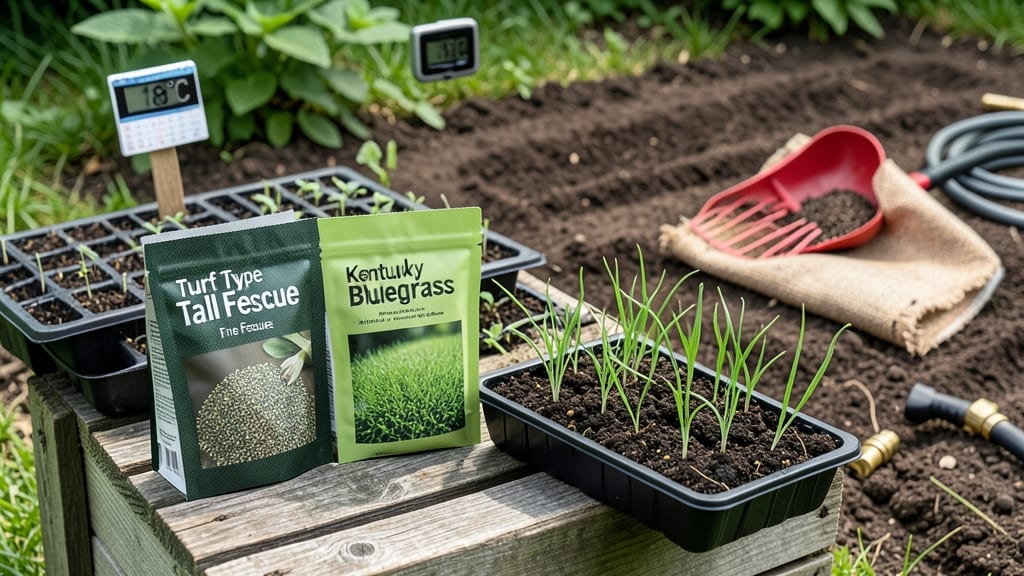
Planting grass seed in Canada at the right time means the difference between a lush lawn and months of frustration—especially when frost, heat, or drought can undo your work before it even sprouts.
You’ve prepped the soil, picked the right seed, and even bought the starter fertilizer, but if you plant too early or too late, your hard work goes to waste.
The secret? Knowing your hardiness zone and the frost-free window for your region—because a 5-degree swing can mean germination failure in some parts of Canada.
Most gardeners in 3a-9b zones (that’s everywhere from Newfoundland to Vancouver) have a 90-day window—early spring or late summer—where soil stays warm enough for roots to take hold.
But timing isn’t one-size-fits-all: Coastal BC has a longer spring window than Alberta, and northern Ontario’s short season demands a different strategy.
Here’s how to pinpoint your exact planting dates, adjust for soil temperature, and avoid the top 3 mistakes that kill grass seed before it grows—so you can finally enjoy that fast, even germination you’ve been waiting for.
Canada’s grass seed planting deadlines by hardiness zone (with frost-free date maps)
Canada’s vast climate zones mean your grass seed planting window can vary dramatically from coast to coast. In Zone 0 (northern Yukon), you might plant as late as August 15, while in Zone 8 (Vancouver Island), you could start as early as March 1.
The key is aligning your timing with soil temperatures and frost-free dates—both of which I’ll break down by zone below.
For most of Canada, the ideal planting windows are either early spring (March–May) or late summer (August–September). Spring planting gives seeds time to establish before summer heat, while fall planting avoids drought stress and takes advantage of cooler temperatures.
However, soil temperature is the real game-changer—most grass seeds need soil to be at least 10°C (50°F) for germination, but won’t tolerate heat above 25°C (77°F) for long.
Here’s the breakdown by zone, including frost-free date ranges and regional exceptions like coastal moderation or prairie extremes: