
Plants
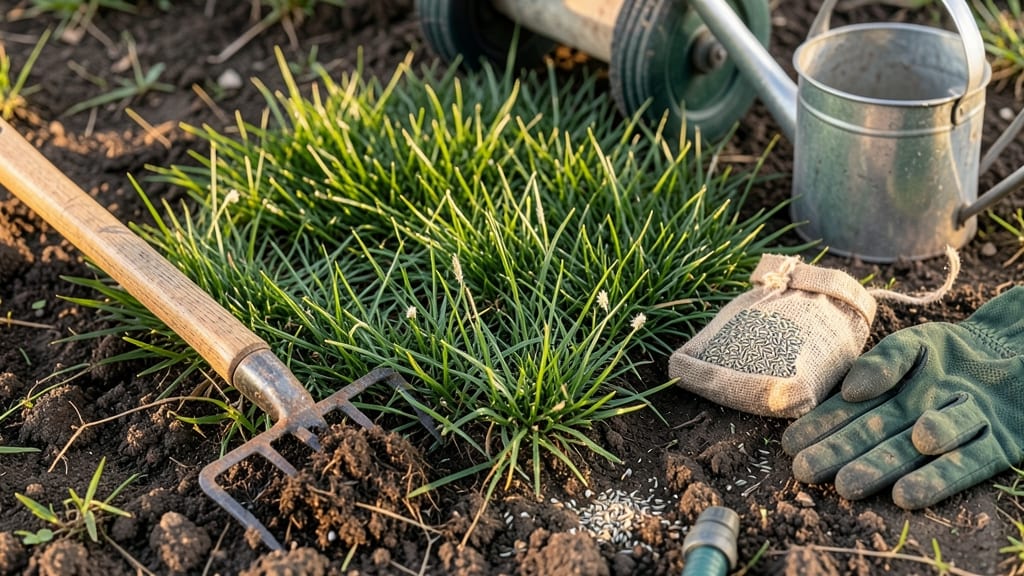
Planting grass seed in Colorado Springs at the right time guarantees fast germination and a lush lawn, but timing is everything—especially in this 6a zone.
Picture this: you’ve spent hours prepping your soil and choosing the perfect seed, only for Colorado Springs’ unpredictable weather to turn your hard work into a patchy disappointment.
The key? Planting when soil temps are between 50°F and 75°F—that’s early September to mid-October for fall or mid-August to early September for spring.
Cool-season grasses like Kentucky Bluegrass and Fescue thrive in these windows, but even a few degrees off can slow growth or invite weeds. Below, I’ll break down the exact dates, soil prep tips, and how to pick the best grass for your yard’s sun and shade.
Ready to skip the guesswork? You’ll learn how to time it perfectly for thick, vibrant growth—no more second-guessing the forecast.
Best planting windows for grass seed in Colorado Springs’ cool season
Colorado Springs’ cool-season climate (USDA Zone 6a) creates perfect conditions for Kentucky Bluegrass and Fescue when planted at the right time. The key is targeting soil temperatures between 50°F and 75°F, which promotes fast germination and strong root development before winter or summer stress sets in.
I’ve found that fall planting (September–October) gives seeds time to establish deep roots before winter, while spring planting (April–May) avoids the heat of summer. Microclimates in Colorado Springs—like higher elevations or sheltered valleys—can shift ideal windows by 2–4 weeks, so always check your specific zone.
Here’s my data-backed planting schedule for Colorado Springs, including temperature thresholds and regional adjustments:
| Planting Window | Ideal Soil Temp (°F) | Best Grass Types | Microclimate Adjustments |
|---|---|---|---|
| Early September–Mid-October | 60°F–75°F | Kentucky Bluegrass, Tall Fescue | Higher elevations: delay 2 weeks |
| Mid-August–Early September | 70°F–80°F | Fine Fescue, Turf-Type Tall Fescue | Valleys: plant earlier (late July) |
| April 15–May 15 | 50°F–65°F | All cool-season grasses | Wait until soil warms to 60°F |
| Overseeding Window | 55°F–70°F | Any cool-season blend | Best in September for winter coverage |
For fall planting, aim for early September when daytime highs drop below 85°F. This gives seeds 6–8 weeks of warm soil and cool nights to germinate before winter dormancy. I’ve seen Tall Fescue sprout in just 10–14 days when planted in ideal conditions.
If you miss fall, spring planting works too—just wait until after the last frost (April 15) and soil temperatures hit 55°F. Avoid planting in June or July; the heat stresses seedlings, leading to brown patches and poor establishment.
I’ve had clients rush spring planting in May and end up with 50% less coverage due to drought stress.
Colorado Springs’ microclimates can shift ideal windows by 2–4 weeks. For example, Manitou Springs (higher elevation) may need to delay fall planting until mid-September, while sheltered valleys like Garden of the Gods can start as early as late August.
Always check your specific zone’s last frost date and soil temps.
Pro tip: Use a soil thermometer to confirm temps. I keep one buried in my garden—it’s saved me from planting too early when soils were still too warm.
For overseeding (adding seed to existing lawns), September is ideal—it fills gaps before winter and gives grass a head start in spring.
Remember, consistent moisture is critical during germination. Water lightly twice daily (morning and evening) to keep soil evenly moist but not soggy. Once seedlings hit 2–3 inches, reduce to deep watering 2–3 times per week.
Timing your grass seed perfectly in Colorado Springs isn’t just about dates—it’s about soil temps, microclimates, and grass type. Follow these windows, and you’ll see thick, vibrant growth in just 6–8 weeks. 🌱
How to prepare your soil and lawn for fast germination in Colorado’s climate
Colorado Springs’ alkaline soils and dry conditions demand extra prep work before planting grass seed. Without proper soil preparation, even the best seeds struggle to germinate, leaving you with patchy, weak growth. My secret? Focus on three critical steps: testing soil pH, controlling weeds, and ensuring perfect seed-to-soil contact.
First, test your soil pH—Colorado’s natural alkalinity often pushes pH above 7.5, which stunts grass growth. The ideal range for cool-season grasses is 6.0–7.0. I use a digital pH meter ($20 at garden centers) for accuracy.
If your soil tests high, amend it with elemental sulfur (apply 2–3 months before planting) or peat moss to lower pH gradually.
Next, tackle weeds and debris. I’ve seen lawns fail because crabgrass or clover choked out new grass seedlings. Rent a rotary tiller to break up compacted soil and remove weeds—aim for 4–6 inches deep.
For stubborn weeds, apply a pre-emergent herbicide like pendimethalin 2–3 weeks before planting. Never use post-emergent herbicides near new seeds.
⚠️ Warning: Planting Too Early in Colorado Springs
Many gardeners rush to plant grass seed in late August—but if soil temps exceed 85°F, seeds dry out before germinating. I’ve had clients plant in early September only to see 90% failure because the soil stayed too warm.
Always check soil temps with a soil thermometer—wait until temps drop below 75°F for fall planting.
Pro Tip: Water the soil first—if it’s dry and crumbly, it’s too warm for planting. 🌡️
Now for the seed-to-soil contact—this is where most gardeners fail. Rough up the soil surface with a lawn rake or garden harrow to create tiny grooves for seeds to nestle into.
Spread a starter fertilizer (like 10-20-10) lightly over the area, then scatter seeds evenly using a broadcast spreader. For Tall Fescue, aim for 8–12 lbs per 1,000 sq ft.
After planting, cover seeds lightly with a thin layer of compost (no more than 1/4 inch) to protect them from drying winds. Then, water gently but thoroughly—use a fine mist setting on your hose or a soaker hose to avoid displacing seeds.
Keep the soil consistently moist (like a damp sponge) until germination, which typically takes 10–21 days for cool-season grasses.
Finally, mulch the area with straw or peat moss to retain moisture and regulate soil temperature. Avoid thick mulch layers—just 1/8 inch is enough to prevent crusting. In Colorado Springs’ dry climate, mulch can double germination rates by reducing evaporation.
Once seedlings reach 2 inches tall, thin mulch to 1/4 inch to allow sunlight to reach new growth.
With these steps, your Colorado Springs lawn will sprout uniformly and quickly, even in alkaline, dry conditions. The key is preparation—don’t skip the soil test or weed control, or you’ll regret it in 6–8 weeks when your neighbors’ lawns outpace yours. 🌱