
Plants
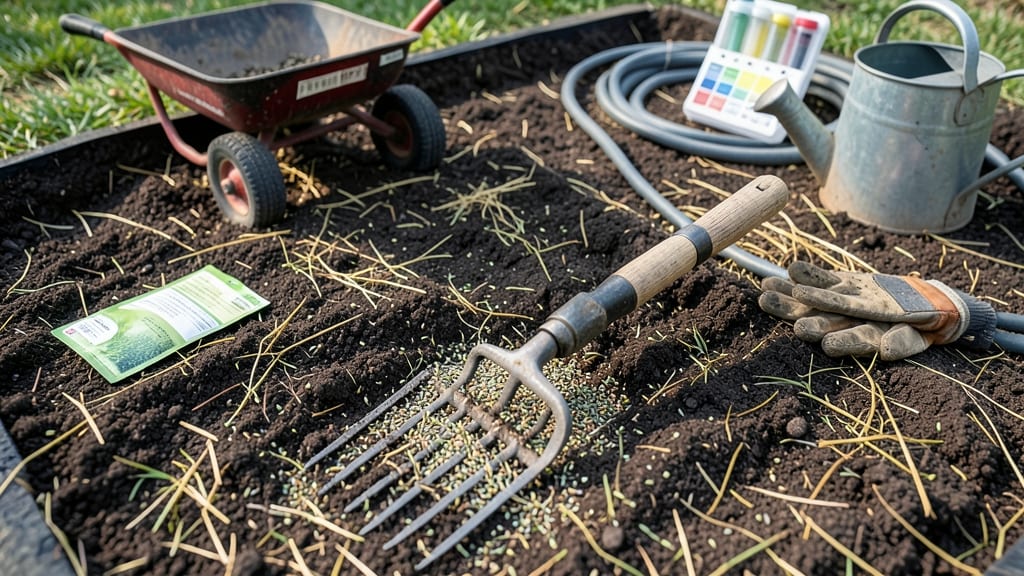
Planting grass seed in Massachusetts spring means timing it for soil temperatures between 50°F and 65°F—the sweet spot for germination before summer heat sets in.
If you’ve ever stared at your calendar in April, wondering whether to plant or wait, you’re not alone. The key isn’t just avoiding frost—it’s catching that narrow window when the ground is warm enough for seeds to sprout but cool enough to avoid stress.
Miss it, and you’ll either deal with slow germination or watch your new lawn struggle as temperatures rise.
Here’s the good news: Massachusetts’ 5b-6b climate zones give you flexibility, but coastal areas and inland regions have different rules. Whether you’re in Boston or the Berkshires, knowing when to act—and how to prep your soil—makes all the difference between a lush lawn and a patchy disappointment.
Below, I’ll walk you through the exact soil temperature checklist, regional planting timelines, and the five signs your soil is truly ready. No guesswork, just results.
Massachusetts spring soil temperature guide for grass seed germination
Timing your grass seed planting in Massachusetts isn’t just about waiting for spring—it’s about catching the perfect soil temperature window that ensures strong germination and lush growth before summer heat arrives.
Most cool-season grasses like Kentucky bluegrass and fescue thrive when soil temps hover between 50°F and 65°F, creating ideal conditions for seed activation and root development. Missing this window can leave your lawn patchy or slow to establish.
Massachusetts’ diverse climate—from the milder coastal regions to the colder inland areas—means soil warms at different rates. Inland zones like the Berkshires may need to wait until late April or early May, while coastal areas like Cape Cod can start as early as mid-March.
Understanding these regional differences is key to avoiding common mistakes like planting too early (risking frost damage) or too late (missing the optimal germination period).
A soil thermometer is your best tool for precision. These inexpensive devices (available at garden centers for ~$10) give real-time readings at the depth where grass roots form—typically 2-4 inches deep. For those without one, a simple DIY method works: press your hand into the soil for 5 seconds.
If it feels cool but not freezing, it’s likely in the right range. However, this method lacks accuracy, so a thermometer is ideal for serious gardeners.
Let’s break down the critical soil temperature zones for grass seed germination in Massachusetts, including regional variations and actionable tips to test your soil accurately. This guide ensures you’re planting at the perfect moment for a thick, healthy lawn.
If your soil temperature consistently falls below 50°F, resist the urge to plant early. Grass seeds need warmth to break dormancy, and cold soil can lead to uneven germination or seed rot.
Instead, use this time to prepare your soil by removing debris, aerating compacted areas, and adding a thin layer of compost. This prep work pays off when temperatures finally rise.
For those in coastal Massachusetts, where winters are milder, you might see soil temperatures hit the 50°F–55°F range as early as mid-March. However, always double-check with a soil thermometer—especially after unpredictable weather. A sudden cold snap can push temperatures back down, stalling germination.
If you’ve already planted and a frost warning arrives, cover the area with a lightweight frost blanket or even old sheets to protect tender seedlings.
Testing soil temperature accurately is easier than you think. A soil thermometer should be inserted 2–4 inches deep (the depth where most grass roots form) and left for 5 minutes to get a stable reading.
For a quick check without a thermometer, dig a small hole, insert a basement thermometer (the kind used for meat), and wait 10 minutes. This method works in a pinch but lacks the precision of a dedicated soil gauge.
Once you’ve confirmed your soil is in the ideal 55°F–60°F range, proceed with planting. Water the area lightly the day before to settle the soil, then sow your grass seed evenly. After planting, keep the soil consistently moist (not soggy) by watering lightly twice daily until germination occurs.
This consistency is critical—dry soil can kill seeds before they sprout, while overwatering leads to fungal issues.
Remember, fall planting (late August to early October) is another excellent window for Massachusetts lawns, as soil stays warm longer and weeds are less competitive
Best months to plant grass seed in Massachusetts: coastal vs. inland timelines
Massachusetts’ coastal regions like Cape Cod and the South Shore enjoy milder winters and earlier soil warming, while inland areas—think the Berkshires or Worcester—often linger in frost longer. This means your planting window can shift by 3-4 weeks depending on where you live.
For example, coastal gardeners might start as early as late February, while inland areas should wait until mid-April.
Cool-season grasses like Kentucky bluegrass and fescue dominate Massachusetts lawns, thriving when planted in early spring (March-April) or early fall (September-October). Warm-season grasses like Bermuda or zoysia are less common but prefer late spring planting (May-June) once soil temperatures consistently hit 65°F+.
The key is matching your grass type to your region’s last frost date and soil conditions.
| Region | Best Planting Window | Soil Temp Range | Grass Types | Key Consideration |
|---|---|---|---|---|
| Coastal (Cape Cod, South Shore) | Late February–Early April | 50°F–60°F | Kentucky bluegrass, Fescue | Milder winters; plant before weeds dominate |
| Inland (Worcester, Berkshires) | Mid-April–Early May | 55°F–65°F | Tall fescue, Perennial ryegrass | Later frost risk; wait for consistent warmth |
| Coastal (Early Fall) | Mid-September–Early October | 60°F–70°F | All cool-season grasses | Longer daylight; roots establish before winter |
| Inland (Early Fall) | Late September–Mid-October | 55°F–65°F | Fescue, Ryegrass blends | Avoid planting too late; frost can damage seedlings |
| Warm-Season (Coastal/Inland) | Mid-May–June | 65°F+ | Bermuda, Zoysia | Wait until soil is consistently warm |
If you’re planting in coastal Massachusetts, aim for late February to early April for spring seeding. The ocean’s moderating effect means soil warms faster, but don’t rush—wait until daytime highs are consistently above 50°F.
For inland areas, mid-April to early May is your sweet spot. Use a soil thermometer to confirm temperatures are stable in the 55°F–65°F range before seeding.
For fall planting, coastal regions can start as early as mid-September, while inland areas should wait until late September to avoid early frosts. The goal is to give seedlings 4–6 weeks of growth before the first frost.
Warm-season grasses like Bermuda are rare in MA but thrive when planted in May or June once soil temperatures exceed 65°F for a week.
Pro tip: Check the Massachusetts Extension Service frost date maps annually—they adjust based on weather patterns. For example, 2023’s last frost in Boston was April 12, but inland areas like Springfield saw frost until May 5.
Planting too early risks frost damage, while waiting too long means summer heat stresses young seedlings.
Once you’ve picked your window, prep your soil by raking out debris and leveling low spots. Lightly water the area the day before planting to encourage seed-to-soil contact. For coastal areas, March is ideal—just be ready to protect seedlings with frost cloth if nights dip below 32°F.
Inland gardeners should mark April 15 on their calendars as the average safe date for most regions.