
Planting
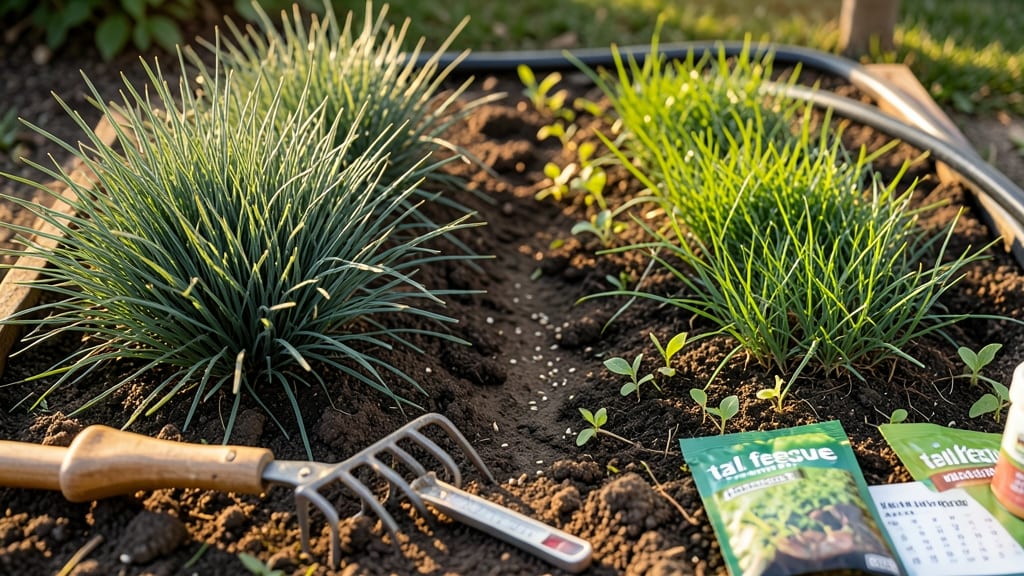
Planting grass seed in Missouri at the right time means the difference between a lush lawn by summer and a patchy, weed-filled disappointment 🌱 — aim for soil temps between 60°F and 75°F for the fastest germination.
Picture this: you’ve just spread hundreds of dollars’ worth of seed, only to watch it bake in the sun or wash away in a downpour because you planted too early.
That’s why timing isn’t just about the calendar—it’s about knowing when the ground is ready, not just when the weather looks right.
Missouri’s climate zones—from St. Louis’s 6a to the cooler hills of 7a—shift the ideal window from early spring to early fall. In northern Missouri, seed flies in late April; in the south, it’s as early as March. But here’s the game-changer: soil temperature trumps the datebook every time.
Below, I’ll break down the exact frost-free windows by region, how to prep your soil for fast germination, and the one mistake that kills more lawns in Missouri than drought or weeds combined.
Missouri’s ideal grass seed planting months: frost-free zones by region
Missouri’s USDA hardiness zones 6a-7a create a unique challenge for lawn lovers—too early, and frost zaps tender grass seedlings. Too late, and summer heat stresses new growth. The perfect planting window depends on your region’s last frost date and soil temperature thresholds for germination.
Most Missourians can plant grass seed in two ideal windows: early spring (March-April) and fall (September-October). However, northern Missouri’s earlier frost dates shift this window earlier, while southern regions stay frost-free longer.
Let’s break down the exact months for each region to ensure your grass seed germinates quickly and outpaces weeds.
For cool-season grasses like Kentucky Bluegrass or Tall Fescue, aim to plant 4-6 weeks before the first hard frost. This gives seedlings time to establish roots before winter dormancy.
In northern Missouri (Zone 6a), this means planting by October 15, while southern Missouri (Zone 7a) extends the window to November 1.
Spring planting works best when soil temperatures reach 55°F-65°F. Use a soil thermometer to check—if it’s colder, wait. In central Missouri, this typically happens by mid-March, but northern areas may need to wait until April.
The goal is to plant 2-3 weeks before the last frost date to avoid seedling damage.
Missouri’s fall planting advantage is cooler temperatures and reduced weed competition. The 60-day window before the first frost (September-October) gives grass time to germinate and establish before winter.
For example, in St. Louis (Zone 6b-7a), planting in late September ensures strong root growth before frost arrives in early November.
If you’re planting warm-season grasses like Bermuda or Zoysia, wait until late spring when soil temperatures exceed 65°F. In Missouri, this means May-June for most regions. These grasses thrive in summer heat but struggle with cool temperatures, so timing is critical to avoid winterkill.
Pro tip: Check the Missouri State Climatologist’s frost date maps for your specific county. Even within regions, microclimates can shift planting windows by
3 Critical factors that determine your planting timeline in Missouri
Missouri’s unpredictable weather makes timing your grass seed planting a high-stakes game. The difference between a lush lawn and a failed seedling often comes down to three key factors: soil temperature, rainfall patterns, and the type of grass seed you’re planting.
Ignore any one of these, and you’ll end up with patchy growth or wasted seed—especially in Missouri’s USDA zones 6a-7a.
For example, cool-season grasses like Kentucky Bluegrass thrive when soil temps hover between 60°F and 75°F, while warm-season grasses such as Bermuda grass need 75°F to 85°F to germinate. Planting at the wrong time can mean seeds rot in cold soil or bake in summer heat.
Missouri’s spring and fall windows are your best bets, but the exact dates shift depending on where you live—northern Missouri’s cooler climate delays planting by weeks compared to the south.
- 🌡️ Soil Temp Check: Use a soil thermometer—ideal range is 60°F-75°F for cool-season grass. Warm-season grass needs 75°F-85°F.
- 🌧️ Rainfall Forecast: Aim for 1-1.5 inches of rain weekly post-planting. Missouri’s spring showers help, but droughts in summer can stall germination.
- 🌾 Seed Type: Cool-season (Kentucky Bluegrass, Tall Fescue) = spring/fall. Warm-season (Bermuda, Zoysia) = late spring/summer.
- ⏰ Missouri Timeline: Northern MO: late April-early May or September-October. Southern MO: March-April or August-September.
- 🔄 Prep Work: Test soil pH (6.0-7.0 ideal), loosen top 4 inches, and remove weeds before planting.
Let’s start with soil temperature, the most overlooked factor. Missouri’s soil warms unevenly—northern areas like St. Louis may still be chilly in April, while Springfield hits ideal temps by early March. A soil thermometer ($10 at garden centers) is your best tool.
For cool-season grasses, wait until the soil consistently stays above 55°F at 4 inches deep. For warm-season grasses, don’t plant until the ground is at least 70°F.
Next, rainfall patterns can make or break your lawn. Missouri’s spring is famously wet, but summer droughts are common. Planting in late spring (May-June) risks seeds drying out before germinating.
Instead, opt for early fall (September-October) when temps cool but rainfall remains steady. Pro tip: Use a light mulch (straw, not wood chips) to retain moisture during dry spells.
Finally, the type of grass seed dictates your timeline. Cool-season grasses like Kentucky Bluegrass and Tall Fescue dominate Missouri lawns—they germinate in 7-21 days when conditions are right. Warm-season grasses, though less common, need the heat of late spring or summer.
If you’re overseeding in fall, choose cool-season blends—they’ll outperform warm-season varieties in Missouri’s winters.
Missouri’s climate is forgiving if you plan ahead. By matching your planting date to soil temperature, rainfall trends, and seed type, you’ll skip the guesswork and end up with a lawn that’s thick, green, and weed-resistant by next summer.
Start with your local USDA zone map, then adjust based on these three factors—your future lawn will thank you.