
Plants
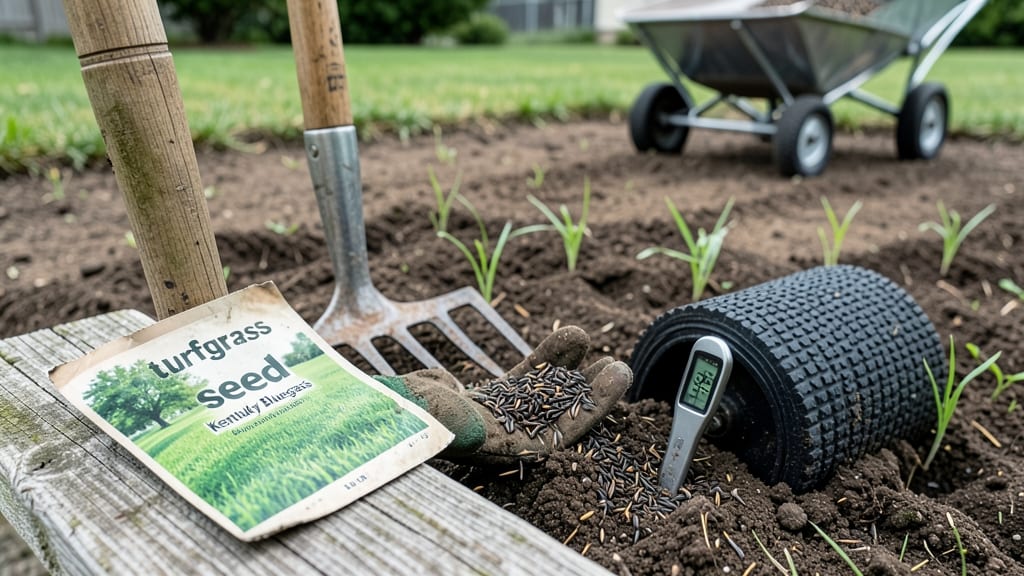
Planting grass seed in North Carolina at the right time ensures your lawn thrives—cool-season varieties like tall fescue need precise timing to outpace weeds and drought.
Miss the window, and you risk patchy growth or seedling stress from heat or frost. North Carolina’s zones 6a-8b shift deadlines by weeks, but early spring (March-April) and early fall (August-September) are the safest bets for most regions.
Why does timing matter so much? Grass seed needs consistent moisture and moderate soil temps to germinate—too hot or too cold, and your investment struggles. Below, we break down zone-specific schedules, soil prep tricks, and the best grass types for your yard.
Skip the guesswork: learn how to align your planting with North Carolina’s climate for a lush, weed-resistant lawn from day one.
North Carolina hardiness zones & ideal grass seed planting windows
North Carolina’s diverse climate zones (5b through 8a) create unique challenges for grass seed planting. Cool-season grasses like tall fescue and Kentucky bluegrass need precise timing to establish strong roots before summer heat or winter dormancy.
Planting too early risks frost damage, while late planting leaves seedlings vulnerable to summer drought. Let’s break down the optimal planting windows for each zone to ensure your lawn thrives.
The best time to plant grass seed in North Carolina falls in either early spring (after last frost) or early fall (before first frost). This timing ensures consistent soil moisture and moderate temperatures (50°F–75°F), which are critical for germination.
Below, we’ll explore the specific monthly deadlines for each hardiness zone, including the mountains (5b), Piedmont (6a/b), Coastal Plain (7a/b), and southeastern NC (8a).
| Zone | Early Spring Window | Early Fall Window | Deadline | Soil Temp |
|---|---|---|---|---|
| 5b (Mountains) | Mid-April to early May | Mid-August to early September | October 15 (before first frost) | 50°F–70°F |
| 6a/b (Piedmont) | Late March to early April | Late August to mid-September | November 1 (before first frost) | 55°F–75°F |
| 7a/b (Coastal Plain) | Early March to mid-April | Early August to early September | October 15 (before first frost) | 60°F–80°F |
| 8a (Southeastern NC) | Late February to early March | Late July to mid-August | September 30 (before summer heat) | 65°F–85°F |
🌱 Key: Plant when soil temps are ideal and at least 4–6 weeks before first frost.
In Zone 5b (mountains), the coolest temperatures and shorter growing season mean you must plant by early May for spring or early September for fall.
Missing these deadlines risks frost damage or summer drought stress. I recommend tall fescue for this zone—it tolerates cooler temps and establishes quickly.
For Zones 6a/b (Piedmont), your window is slightly wider, but don’t delay past early November. This region’s moderate humidity and warmer springs allow for earlier planting, but Kentucky bluegrass thrives here if seeded by mid-September.
Avoid planting in late fall—seedlings won’t have time to root before winter.
Zones 7a/b (Coastal Plain) offer the longest growing season, but summer heat can be brutal for new grass. Plant in early March or early August to avoid drought stress. Fine fescue mixes well here due to its shade tolerance and drought resistance. If you miss the fall window, wait until next spring—don’t risk planting in late summer’s heat.
In Zone 8a (southeastern NC), the mild winters and longer frost-free periods let you plant as late as mid-August. However, humidity and pests (like chinch bugs) are higher here, so overshadowing with a starter fertilizer is crucial.
Bermuda grass mixes work well in this zone but require full sun.
Timing matters because seed germination slows below 50°F and roots struggle to establish above 85°F. Planting at the right time ensures strong root development before summer’s heat stress or winter’s dormancy. Always check your local last frost date—it’s your best guide for success.
Pro tip: Use a soil thermometer to confirm temps are ideal before planting. If your soil is too cold, wait a week or two—patience pays off with a thicker, healthier lawn. For overseeding, follow the same zone-specific deadlines to avoid competing with existing grass.
Remember, consistent moisture is key after planting. Water lightly daily (about ¼ inch) for the first 2 weeks to keep seeds moist but not waterlogged. Once seedlings are 2–3 inches tall, reduce to deep watering 2–3 times weekly. This routine prevents dry spots and weed invasion.
By following these
North Carolina’s clay-heavy soils and humid summers demand extra prep work before seeding grass. Skipping soil prep often leads to poor germination, weed competition, or drought stress. I’ve learned that pH testing and weed control are the two biggest factors separating a thriving lawn from a failed project. Let’s break down the essential steps to set your grass seed up for success. Start with a soil test—NC’s clay soils often have a pH between 5.5-6.5, which is slightly acidic. Most cool-season grasses prefer a pH of 6.0-7.0. If your test shows lower pH, add lime 4-6 weeks before planting. For alkaline soils (pH >7.0), use sulfur or peat moss to adjust. This adjustment gives your grass roots the best chance to absorb nutrients. ⚠️ callout warning ⚠️
North Carolina’s first frost dates vary by zone—Zone 6a (mountains) sees frost by mid-November, while Zone 8a (coastal) may hold off until late October. Planting grass seed after October 1st in most zones risks frost killing young seedlings before they establish. Aim to finish seeding at least 6 weeks before first frost for best results. 🌱 Pro Tip: Use a row cover or straw mulch to protect seedlings if late fall planting is unavoidable. Next, tackle weed control before seeding. Apply a pre-emergent herbicide 2-4 weeks before planting to stop weed seeds from germinating. For organic options, use corn gluten meal, which also acts as a natural fertilizer. After seeding, avoid post-emergent herbicides for at least 3 months—they’ll kill your new grass too. I’ve seen lawns fail when homeowners rushed and used weed killer too soon. Loosen the soil to a depth of 4-6 inches using a tiller or garden fork. Break up compacted clay layers to improve water and root penetration. Mix in 2-3 inches of compost or aged manure to boost organic matter. If your soil is sandy, add peat moss to retain moisture. Rake the area smooth afterward—seed-to-soil contact is critical for germination. After seeding, watering consistency is your next priority. Keep the soil evenly moist (not soggy) for the first 2-3 weeks. Use a sprinkler or hose with a gentle setting to avoid washing seeds away. Water lightly 2-3 times daily (early morning is best) until seedlings are 2-3 inches tall. Once established, reduce to 1-1.5 inches per week, adjusting for rain. Overwatering causes fungal diseases, while underwatering leads to patchy growth. Finally, fertilize at the right time. Apply a starter fertilizer with high phosphorus (e.g., 10-20-10) at planting to encourage root growth. Wait until the grass is mowed 2-3 times before adding nitrogen-based fertilizer (e.g., 30-0-4). In NC’s climate, fall fertilization (September-October) is key—it strengthens roots for winter and gives an early spring boost. Avoid fertilizing in summer heat or drought conditions. With these steps, your North Carolina lawn will have a strong foundation. Remember: soil prep, timing, and consistent care are the trifecta for success. Skip any, and you’ll deal with weeds, thin patches, or slow growth. Happy planting—your future lawn will thank you! 🌿How to prepare your soil & lawn for grass seed success in NC