
Companion Plants
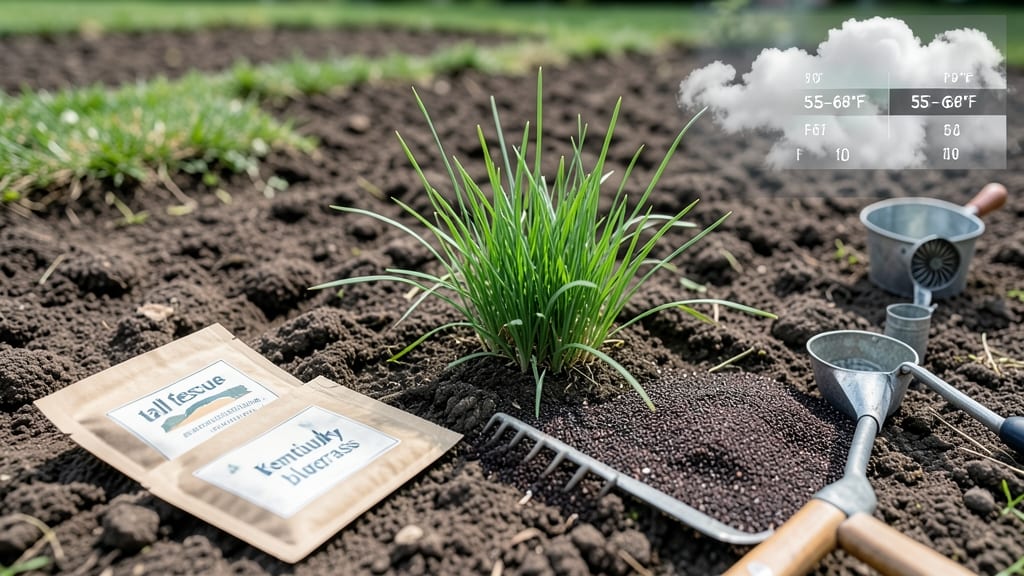
Planting grass seed in Pennsylvania fall between mid-September and early October gives your lawn the best shot at deep roots before winter 🌱 — and skipping this window means frost or weeds stealing your hard work.
Pennsylvania’s unpredictable fall weather can make or break your lawn—plant grass seed too early, and frost ruins your efforts; too late, and winter weeds take over. Timing is everything for a lush, frost-proof lawn by spring.
Cooler temperatures and reduced weed competition make fall the ideal time to establish a healthy lawn. Whether you're in Northern PA (zone 5b) or Southern PA (zone 7a), the key is planting 4-6 weeks before the first frost to let roots grow strong.
Below, I’ll break down the exact weeks to plant in 2024, how to prep your soil, and what to watch for to avoid common mistakes that waste seed and money.
Best fall weeks to plant grass seed in Pennsylvania (2024 calendar guide)
Pennsylvania’s fall planting window for grass seed is narrow but critical—aim for mid-September to early November when soil stays warm enough for germination but cools before winter dormancy.
The ideal window is late September through October, when daytime highs hover between 50°F and 70°F and nights dip to 40°F or above. This balance lets grass roots establish before frost hits, giving you a frost-proof lawn by spring.
Northern PA (Zones 5b-6a) has earlier frosts, so plant by October 15 to avoid winter damage. Southern PA (Zones 6b-7a) can extend planting until early November, but don’t wait too long—cool soil slows germination.
Check your local frost dates (average first frost: October 15), and plant 4-6 weeks before the expected frost for best results.
Here’s your PA-specific planting timeline with soil temps, frost risks, and actionable weeks:
| Timeframe | Soil Temp (°F) | Frost Risk | Best For | Action |
|---|---|---|---|---|
| Late August | 65°F+ | Low (early frost possible in North) | Southern PA only | Plant cool-season grasses (e.g., tall fescue) |
| Mid-September | 60°F+ | Moderate | All PA regions | Best time—warm soil, low weeds |
| Late September | 55°F+ | Low to moderate | Ideal for Northern PA | Plant Kentucky bluegrass or perennial ryegrass |
| Early October | 50°F+ | Moderate (frost possible late month) | Last chance for full establishment | Use winter ryegrass for quick cover |
| Mid-November | 45°F+ | High (frost likely) | Southern PA only | Risky—only for fast-germinating seeds |
If your fall arrives early (e.g., frost by October 1), switch to winter ryegrass—it germinates in 5-7 days at cooler temps and protects soil until spring. For late freezes (e.g., frost after November 1), plant cool-season grasses like fine fescue, which tolerates light frost.
Adjust for microclimates: Valleys and low-lying areas frost earlier than hills or urban zones. Check your local weather station for 5-day forecasts—if temps drop below 40°F at night, delay planting or use a lightweight frost blanket to protect seedlings.
In Southern PA, you might squeeze in a November planting, but avoid after Thanksgiving when soil cools below 50°F.
Pro tip: Test your soil 1-2 weeks before planting—ideal pH for grass is 6.0-7.0. If your soil is too acidic (below 6.0), add lime 4-6 weeks ahead.
For alkaline soil (above 7.0), work in sulfur or peat moss. Proper pH ensures faster germination and stronger roots before winter.
How to prepare your PA lawn for fall grass seed planting (step-by-step)
Preparing your Pennsylvania lawn for fall grass seed planting starts with soil testing and weed control—two critical steps that determine whether your seed takes root or washes away. I’ve seen too many lawns fail because homeowners skipped these basics, only to waste money on seed that never germinated.
Let’s fix that by following a proven process tailored to PA’s zones 5b-7a.
Fall planting thrives when soil temperatures stay between 50°F and 65°F, which happens naturally in PA from late September through October. But before you spread seed, your lawn needs a clean slate.
Start by removing debris and testing your soil’s pH level—most PA lawns need a target of 6.0 to 7.0 for optimal grass growth. You can grab a DIY soil test kit from your local garden center for under $20.
✅ Step-by-Step PA Lawn Prep for Fall Grass Seed
- Test Soil pH – Aim for 6.0-7.0; amend with lime (for acidic soil) or sulfur (for alkaline soil).
- Aerate Compacted Soil – Use a core aerator to create 3/8-inch holes every 2-3 inches for seed-to-soil contact.
- Kill Weeds – Apply a non-selective herbicide (like glyphosate) 2 weeks before planting or hand-pull stubborn weeds.
- Spread Compost – Top-dress with 1/4-inch layer of compost to improve soil structure and nutrients.
- Choose the Right Seed – Pick cool-season grasses like tall fescue or Kentucky bluegrass for PA’s climate.
- Plant Seed – Spread evenly with a broadcast spreader; light rake to cover seeds with 1/4-inch soil.
- Water Gently – Keep soil moist (1/2-inch per week) until germination (7-21 days).
Don’t overlook weed control—even small weeds compete with grass seed for nutrients and sunlight. I recommend a pre-emergent herbicide like corn gluten meal after planting to block winter weeds like chickweed and henbit. These weeds pop up fast in PA’s mild winters and can smother your new grass.
After clearing weeds, aerate your lawn to break up compacted soil. Rent a core aerator from your local hardware store—this step alone can double your seed’s success rate by ensuring direct contact with moist soil.
For larger lawns, hire a pro to save time. Once aerated, spread a thin layer of compost (about 1/4-inch) to boost organic matter and improve water retention.
Selecting the right grass seed mix is non-negotiable in PA. Cool-season grasses like tall fescue (drought-tolerant) or fine fescue (shade-friendly) thrive in our climate. Avoid cheap seed blends with high weed content—look for certified seed with at least 80% pure live seed.
Pro tip: Mix 20% perennial ryegrass for faster germination if you’re impatient!
Once your soil is prepped and seed is spread, water lightly but frequently—aim for 1/2-inch per week in the first 2 weeks. Use a sprinkler with gentle mist to avoid displacing seeds.
Avoid heavy watering, which can wash seeds away or cause crusting. After germination, gradually reduce watering to 1-inch per week to encourage deep root growth before winter.