
Lawn
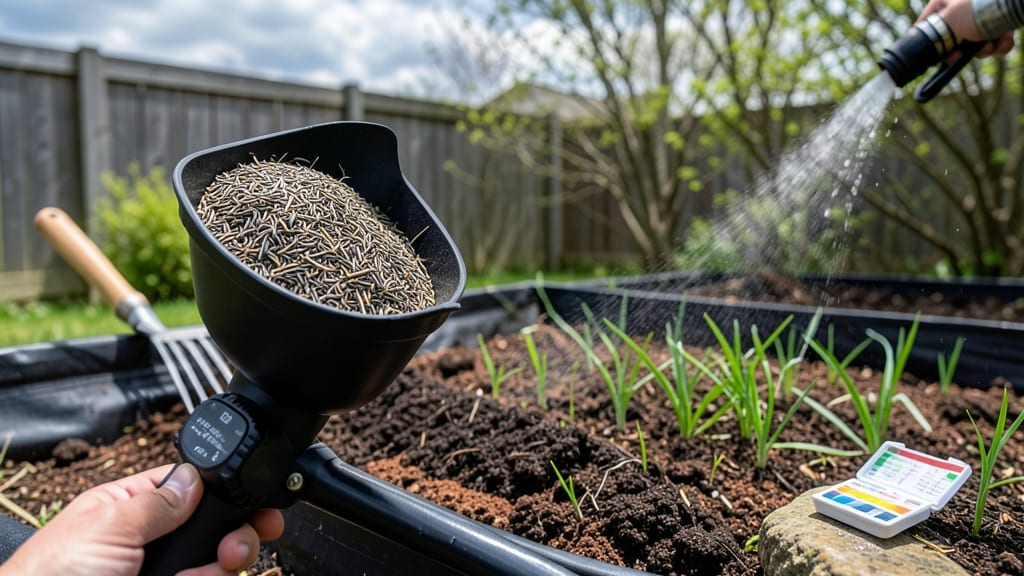
Planting grass seed in Virginia’s spring means waiting until soil warms to 50°F or higher — too early, and frost will kill your efforts; too late, and summer heat dries out seedlings before they take root.
Picture this: you’ve spent hours raking, leveling, and spreading seed, only to watch it wither under a late frost. Or worse, you plant in sweltering heat, and the soil stays bone-dry for weeks.
The perfect window is the difference between a lush lawn and a patchy disappointment — and Virginia’s climate makes it tricky.
Coastal areas like Norfolk can start as early as mid-March, while the Piedmont’s higher elevations may need to wait until late April. Soil temperature, not just the calendar, is the real key — and I’ll show you how to test it without fancy tools.
In this guide, you’ll learn the exact dates for your Virginia zone, how to prep soil for fast germination, and the 3 critical signs your grass is ready to thrive — no guesswork, just results.
Virginia’s spring planting zones: exact dates for grass seed germination by region
Virginia’s diverse climate zones create unique challenges for lawn care. From the mild coastal regions to the higher elevations of the Appalachians, each area has distinct last frost dates and soil temperature thresholds that dictate the perfect window for planting grass seed.
Cool-season grasses like tall fescue and Kentucky bluegrass thrive when sown in early spring, while warm-season varieties like Bermuda grass need warmer soil to germinate. Let’s break down the exact dates for each of Virginia’s 7 key planting zones to ensure your lawn gets off to the best start.
Timing your grass seed planting is about more than just calendar dates—it’s about soil temperature and weather patterns. For cool-season grasses, aim for when soil temps reach 50–60°F, while warm-season grasses need 65–75°F.
In Virginia, this means planting in March or early April for most regions, but with adjustments for elevation and coastal influences. Use these guidelines to avoid common pitfalls like frost damage or drought stress during germination.
Below is a detailed comparison of Virginia’s planting zones, including ideal planting windows, soil temperature thresholds, and last frost dates to help you choose the perfect time for your lawn.
Whether you’re in the Coastal Plain or the Appalachian Plateau, these dates will maximize your grass seed’s success rate.
| Planting Zone | Cool-Season Grass Window | Warm-Season Grass Window | Soil Temp Threshold | Last Frost Date |
|---|---|---|---|---|
| Coastal Plain | Mid-March to early April | Late April to mid-May | 50–60°F (cool-season), 65–75°F (warm-season) | Early to mid-March |
| Piedmont | Late March to early April | Early May to early June | 50–60°F (cool-season), 65–75°F (warm-season) | Mid-April |
| Blue Ridge | Early April to mid-April | Mid-May to early June | 50–60°F (cool-season), 65–75°F (warm-season) | Late April |
| Valley & Ridge | Late March to early April | Early May to early June | 50–60°F (cool-season), 65–75°F (warm-season) | Mid-April |
| Appalachian Plateau | Early April to mid-April | Late May to early June | 50–60°F (cool-season), 65–75°F (warm-season) | Late April to early May |
If you’re in the Coastal Plain, you can start as early as mid-March for cool-season grasses, thanks to milder winters. However, avoid planting too early—soil temperatures below 50°F can delay germination and invite fungal diseases.
In contrast, the Appalachian Plateau experiences later frosts, so wait until early April to ensure your seeds aren’t damaged by unexpected cold snaps.
For warm-season grasses like Bermuda or Zoysia, timing is equally critical. These grasses need warmer soil temperatures (65–75°F) to germinate properly. In Virginia’s Piedmont and Blue Ridge regions, this typically aligns with late April to early June.
Planting too early can result in seeds sitting dormant in cold soil, while planting too late may lead to drought stress during the hottest months.
Pro tip: Use a soil thermometer to confirm temperatures before planting. If your soil is still too cold, wait a week or two—patience now means a thicker lawn later.
Additionally, monitor rainfall forecasts in the days following planting. Consistent moisture is key for germination, especially in Virginia’s drier inland regions like the Valley & Ridge.
Once you’ve chosen your planting window, prepare your soil by removing debris and leveling the area. A light raking and topdressing with compost will create an ideal seedbed. After sowing, keep the soil consistently moist (not soggy) for the first 4–6 weeks to encourage strong root development.
Avoid walking on newly seeded areas until the grass reaches 3–4 inches
5 Critical factors that determine the best planting time in Virginia (beyond dates)
Virginia’s spring planting success depends on more than just checking a calendar. While general guidelines suggest planting grass seed between March and April, the real magic happens when you factor in soil temperature, rainfall patterns, and grass type.
For example, Bermuda grass thrives in heat but needs soil at 70°F+, while tall fescue germinates best at 60-70°F. Ignoring these details means risking slow germination or seed loss to drought or frost.
I’ve planted grass seed in Virginia for over a decade, and the difference between a thick, green lawn and a patchy mess often comes down to these five overlooked factors.
Let’s dive into how to use them to your advantage—because the best time to plant isn’t just about the date, it’s about the conditions.
- 🌡️ Soil Temperature: Wait until soil reaches 50°F+ for cool-season grasses (e.g., tall fescue) or 70°F+ for warm-season types (e.g., Bermuda). Use a soil thermometer—$10 tools save you from wasted seed.
- 🌧️ Rainfall Forecast: Aim for 1-2 inches of rain in the week after planting. Check the NOAA 7-day outlook—if drought is predicted, water daily until germination (7-14 days).
- ❄️ Frost Risk: Plant 4-6 weeks before the average last frost date (mid-April in most of Virginia). Use the Virginia Cooperative Extension frost map to adjust for microclimates like higher elevations.
- 💧 Soil Moisture: Test moisture by squeezing a handful of soil—if it doesn’t crumble, it’s too wet (wait 2-3 days). If it powders, water deeply before planting to prevent seed desiccation.
- 🌱 Grass Type: Cool-season grasses (fescue, bluegrass) germinate faster in spring but need consistent moisture. Warm-season grasses (Bermuda, Zoysia) wait for late spring/early summer but handle drought better once established.
Let’s say you’re in Northern Virginia (Zone 7a) and itching to plant in early April. A quick soil check shows 55°F—perfect for tall fescue, but the NOAA forecast predicts no rain for 10 days.
Planting now risks drought stress before germination. Instead, wait a week or use a seed starter mat to retain moisture. These small adjustments prevent costly mistakes.
Another common pitfall? Planting Bermuda grass in March because you love its heat tolerance. But cold soil (below 60°F) slows germination to a crawl, leaving your lawn vulnerable to weeds that sprout faster.
Wait until late April or May when soil warms—your patience will pay off with faster establishment and thicker turf.
Pro tip: Pair these factors with a simple DIY soil test. Mix 1 tbsp vinegar with ½ cup water—if it fizzes, your soil is alkaline (common in Virginia’s Piedmont).
Adjust with sulfur or peat moss to hit the ideal pH of 6.0-7.0 for most grasses. Balanced soil = faster germination and healthier roots.
Remember, Virginia’s climate varies wildly—even within 50 miles. Use these factors to fine-tune your timing, and you’ll skip the guesswork. The result? A lawn that’s lush, dense, and resilient from day one—no patchy surprises here. 🌱