
Plants
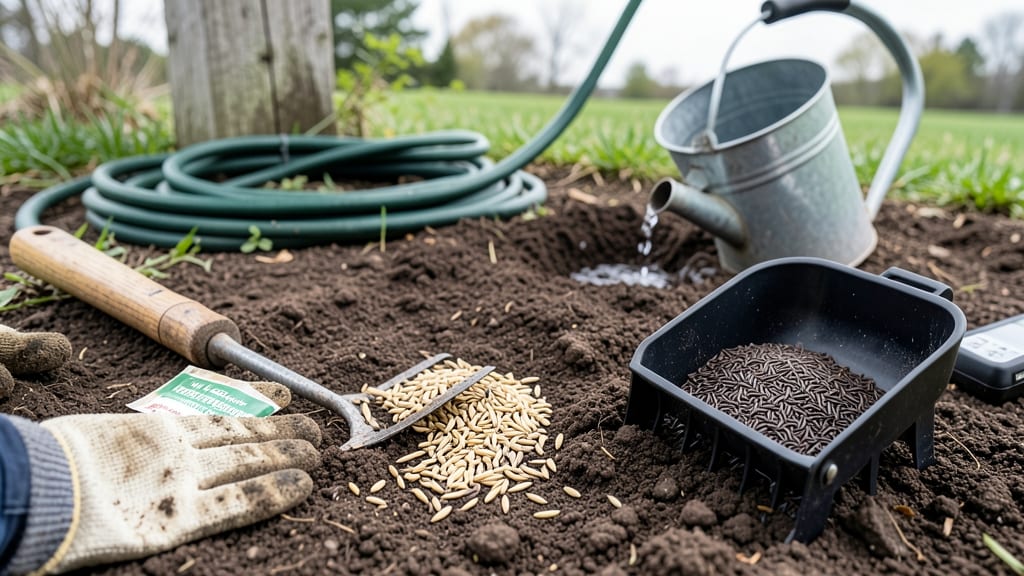
Planting grass seed in Virginia at the right time can mean the difference between a lush lawn and a patchy, slow-to-germinate mess.
If you’ve ever spread seed only to watch it bake in the summer sun or rot in spring’s unpredictable showers, you know timing is everything. The key? Cool soil temperatures and consistent moisture—both of which Virginia’s 6a-8a zones deliver in early spring and late fall.
But getting it wrong can leave you staring at bare dirt for months.
Most gardeners in Virginia swear by March and early April for spring planting, when soil warms to 50°F+ and frost risks fade. Fall, however, is the secret weapon—planting in September or October lets roots establish before winter, giving you a head start next year.
Microclimates complicate things, though: coastal areas may need to adjust by weeks compared to the mountains.
Below, I’ll break down the exact dates for each USDA zone, plus soil prep tricks and watering schedules to ensure your grass sprouts fast and thick—no guesswork required.
Virginia’s best grass seed planting windows by USDA zone (with germination speed factors)
Timing your grass seed planting in Virginia is everything—get it wrong, and you’ll battle slow germination, weeds, or even seed loss. Virginia spans USDA zones 6a through 7b, meaning the optimal planting windows vary by 4-6 weeks depending on your location.
Cool-season grasses like tall fescue and Kentucky bluegrass thrive in early spring and fall, while warm-season types like Bermuda grass need late spring heat to germinate. Let’s break down the exact months for each zone, plus how soil temperature and rainfall impact speed.
Soil temperature is the #1 factor for grass seed success. Most cool-season grasses need soil temps between 50°F and 65°F to sprout, while warm-season varieties like Zoysia require 70°F+.
In Virginia’s higher elevations (zone 6a), spring planting often waits until mid-April, while coastal areas (zone 7b) can start as early as late February. Rainfall also plays a role—drought conditions can stall germination, so aim for 1 inch of water weekly during establishment.
Here’s the zone-by-zone breakdown of Virginia’s best planting windows, including germination speed factors and soil prep tips to maximize your lawn’s success.
In zone 6a, where cooler nights linger, I recommend fall planting in September—this lets grass establish roots before winter’s chill. The soil stays warm enough for germination but cools just enough to suppress weeds.
For zone 7b’s coastal areas, warm-season grasses like Bermuda can be sown as early as May, but wait until after Memorial Day to avoid late frosts. Pro tip: Use a soil thermometer to confirm temps—50°F is the magic number for cool-season seeds.
Germination speed varies wildly based on moisture and temperature. In zone 7a’s Piedmont region, fine fescue often sprouts in 5–7 days with consistent watering, while Kentucky bluegrass in zone 6a might take 10–14 days
How to adjust planting dates for Virginia’s microclimates (mountains vs. coastal vs. Piedmont)
Virginia’s diverse landscapes—from the cool mountain highlands to the humid coastal plains—create planting challenges. While USDA zones 6a-8a cover most of the state, microclimates can shift ideal planting dates by 3-4 weeks.
For example, a mountain garden in Roanoke (Zone 7a) may need to plant 2 weeks earlier than Norfolk’s coastal zone (Zone 8a) to avoid late frosts.
Coastal areas like Virginia Beach experience warmer winters and higher humidity, which can lead to fungal risks if you plant too early. Meanwhile, the Piedmont region (e.g., Richmond) balances both extremes, often aligning closer to the state’s average frost dates.
Understanding these variations helps you avoid wasted seed and maximize germination.
Use these frost-free date adjustments as your guide:
- Mountains (e.g., Shenandoah Valley): Wait until April 15-May 1 for spring planting
- Piedmont (e.g., Charlottesville): Aim for March 20-April 15
- Coastal (e.g., Hampton Roads): Plant as early as February 28-March 15
| Region | Spring Planting Window | Fall Planting Window | Key Adjustments |
|---|---|---|---|
| Mountains (Zone 6a-7a) | April 15–May 1 | September 1–15 | Wait for soil >50°F; higher elevations cool faster. |
| Piedmont (Zone 7a-7b) | March 20–April 15 | September 15–October 1 | Balanced climate; follow USDA averages. |
| Coastal (Zone 7b-8a) | February 28–March 15 | October 1–15 | Plant earlier; watch for fungal risks in humidity. |
For fall planting, aim to finish 4-6 weeks before frost. In the mountains, this means September 15; coastal areas can stretch to October 15 if temperatures stay mild.
Use a soil thermometer—grass seed needs 50°F+ soil to germinate, and mountain soils often drop below this threshold earlier.
Pro tip: Coastal gardeners should prioritize drought-tolerant varieties like Bahia grass or Zoysia, while mountain regions thrive with Tall Fescue or Kentucky Bluegrass. Adjust your watering schedule too—coastal areas may need less frequent but deeper watering due to sandy soils, while Piedmont clay holds moisture longer.
Don’t let Virginia’s microclimate quirks derail your lawn dreams. With these regional tweaks, you’ll time your planting perfectly—whether you’re in the cool Shenandoah Valley or the humid Hampton Roads. Happy planting! 🌱