
Lawn
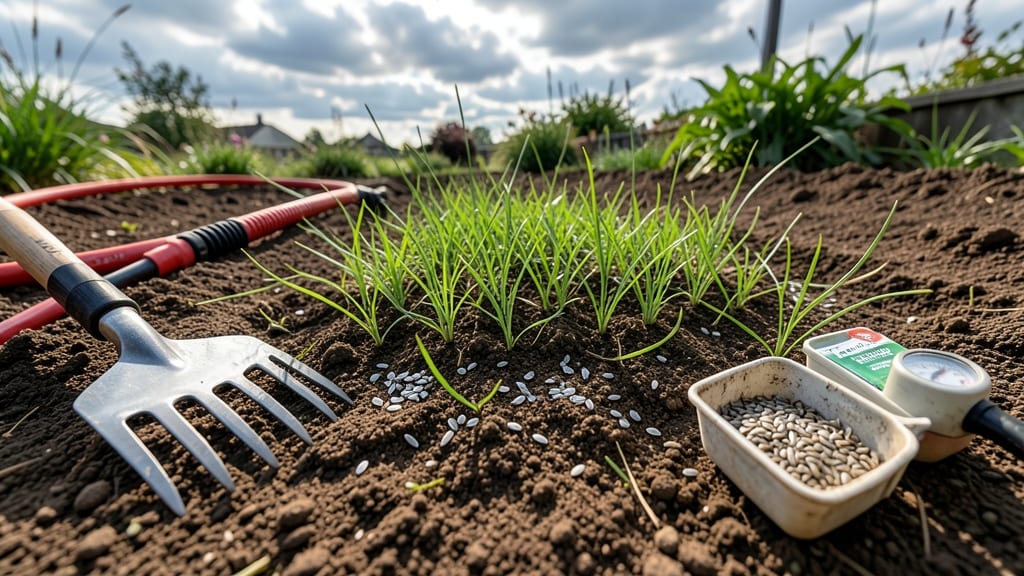
Fall seeding transforms a patchy lawn into a lush carpet by spring—if you time it right. 🌱 The best time to seed grass in fall is 4-6 weeks before your first frost, when soil stays above 50°F but nights cool down.
This window (typically late August to early October) gives seedlings time to root before winter dormancy, while weeds are less aggressive than in spring.
Cooler temperatures actually help grass establish—seeds germinate faster in 60-75°F soil, and consistent moisture without scorching sun gives young roots a fighting chance. Most regions thrive with this timing, but early fall seeders in warm climates (like Zone 8+) should aim for September to avoid winter rains.
The key is avoiding heat stress or frost before roots take hold.
You’ll see thick, even growth by spring because fall-seeded grass focuses energy on root development instead of battling summer heat. Weed competition drops, and you skip the high-maintenance spring planting rush.
Just water deeply 2-3 times weekly until germination (about 10-21 days), then taper to 1-2 inches per week once established.
Pro tip: Test soil pH (ideal: 6.0-7.0) and loosen top 2 inches before seeding. A thin layer of straw protects seeds from birds and drying winds. For best results, overseed existing lawns or patch bare spots—this is the secret to a lawn that makes neighbors jealous by next summer.
📚 In This Guide
- What you need
- Instructions
- Tips and common mistakes
- Wrapping up and next steps
What you need
- ● Grass seed: Choose cool-season varieties like Kentucky bluegrass, tall fescue, or perennial ryegrass. Quantity: 4–8 lbs per 1,000 sq ft (check seed bag for exact coverage rates).
- ● Lawn rake: A bow rake (for roughing up soil) or a garden rake (for leveling). Size: 18–24" head width for efficiency.
- ● Spreaders: Broadcast spreader: For even distribution (ideal for large areas). Capacity: 10–20 lb hopper.
- ● Drop spreader: For precision (smaller patches). Setting: Adjust for seed type (check manual).
- ○ Soil test kit: Optional but highly recommended to check pH (aim for 6.0–7.0). Where to buy: Local co-op or online.
- ● Compost or topsoil: Quantity: ¼–½ inch layer over bare spots (if soil is poor).
- ● Water source: Hose with soaker hose or sprinkler (or a watering can for small areas).
- ○ Fertilizer (optional but helpful): Starter fertilizer: High in phosphorus (e.g., 5-10-10 ratio). Apply: Lightly before seeding.
- ● Slow-release fertilizer: For post-seeding growth (apply 6–8 weeks after planting).
- ● Weather check: Seed when temps are 50–65°F and forecast calls for steady rain (or you’re prepped to water daily). 🌡️
- ● Clear debris: Remove rocks, weeds, and thatch (use a dethatcher if needed) for seed-to-soil contact.
- ● Test your spreader: Walk a 10’ x 10’ grid and adjust settings to avoid clumps or gaps.
- ● Mulch seed lightly: Use straw (not hay—it has weed seeds!) to hold moisture. Rate: ¼ lb per 100 sq ft.
Step-by-step guide to timing fall grass seeding perfectly
Here's the exact window and method I rely on every year for lush, weed-resistant lawns.
🌱 Step 1: Identify Your Fall Seeding Window
Cool-season grasses thrive when soil temperatures drop to 60-70°F—this creates ideal germination conditions without summer heat stress. In most northern regions, aim for 4-6 weeks before your first hard frost, typically between mid-September and early October. Southern zones can extend seeding until November.
Check your local frost dates and count backward. I always plant at least 6 weeks before frost to ensure seedlings establish strong roots before winter dormancy. Watch for daytime highs consistently below 80°F—this signals the perfect moment.
☀️ Step 2: Prepare the Soil for Optimal Germination
Clear debris and loosen compacted soil to 3-4 inches deep using a rake or aerator. This creates space for roots to penetrate while allowing air and moisture to reach seeds. I like to work the soil when it's slightly damp—just moist enough that it holds together when squeezed but doesn't stick to tools.
Level the surface with a lawn roller or drag mat to eliminate low spots where water pools. These depressions create soggy conditions that invite disease. For bare spots, lightly scratch the soil with a rake to create ¼-inch deep furrows—this prevents seeds from washing away during watering.
💧 Step 3: Seed at the Right Depth and Frequency
Spread seeds evenly using a broadcast spreader set to the recommended rate for your grass type (usually 4-8 pounds per 1,000 sq ft). Walk in straight lines, overlapping slightly to avoid bare patches. I tap the spreader gently as I move to release seeds consistently—uneven distribution leads to patchy growth.
Lightly cover seeds with ¼ inch of soil using a lawn rake. Too deep and they won't germinate; too shallow and they'll dry out. For high-traffic areas, consider a thin layer of straw mulch (¼ inch thick) to retain moisture without smothering sprouts.
⏰ Step 4: Water with Precision for Germination
Keep soil consistently moist for the first 2-3 weeks—this is critical for germination. Water lightly twice daily (morning and evening) for 10-15 minutes each time to maintain surface moisture. You'll know you're doing it right when the top ½ inch of soil stays damp but not soggy.
Once seedlings reach 1-2 inches tall, reduce watering to 1 inch per week, including rainfall. Deep, infrequent watering encourages deep root growth. Avoid watering from above—use a sprinkler with gentle mist settings to prevent washing away seeds or young plants.
🌿 Step 5: Maintain Through Establishment
Wait until new grass reaches 3-4 inches tall before mowing—this ensures roots are deep enough to support the plant. Set your mower blade to 3 inches and never remove more than ⅓ of the blade height at a time. This keeps grass strong and shades out weeds.
Fertilize with a low-nitrogen starter fertilizer (10-20-10 ratio) 4-6 weeks after seeding. Avoid high-nitrogen products—they promote top growth at the expense of root development. I always apply fertilizer in the evening to reduce burn risk from afternoon sun.
Tips & tricks for perfect fall grass seeding timing
These insider tricks will help you nail the ideal fall seeding window for a lawn that's the envy of the neighborhood.
Soil Temperature Matters: Use a soil thermometer to confirm those 60-70°F soil temps before seeding. I've learned the hard way that cooler soil can delay germination—wait for consistent temps in the morning and evening. This is especially critical in northern regions where fall cools quickly. The 60-70°F range isn't just a suggestion; it's the sweet spot where cool-season grasses germinate reliably without heat stress.
Frost Date Math: Here's what nobody tells you—your local weather service's frost date might be too optimistic. I always subtract 2 extra weeks from the official date to account for unpredictable early frosts. Check your area's historical data for the average last frost date, then count back 6 weeks from that date, not the first frost. This buffer ensures your seedlings have time to establish before winter sets in.
Watering Precision: Those 10-15 minutes twice daily for the first 2-3 weeks can make or break your seeding. I set a timer and use a sprinkler with a gentle mist setting to avoid disturbing seeds. The key is keeping the top ½ inch damp—you should be able to push your finger in about 1 inch and feel moisture without hitting dry soil. Too much water creates mud, too little means seeds dry out.
Grass Type Considerations: Different cool-season grasses have slightly different timing needs. Fescue and ryegrass are more cold-tolerant and can handle later seeding, while bluegrass prefers the 4-6 week window before frost. Check your seed mix—if it contains bluegrass, don't push your luck with late October planting. I always verify my seed type against the recommended planting window to avoid disappointment.
Pro Tips for Best Time To Seed Grass In Fall
- These insider tricks will help you nail the ideal fall seeding window for a lawn that's the envy of the neighborhood.
- Soil Temperature Matters: Use a soil thermometer to confirm those 60-70°F soil temps before seeding.
- Frost Date Math: Here's what nobody tells you—your local weather service's frost date might be too optimistic.
Frequently asked questions
Got questions about seeding grass in the fall? You’re not alone! Here are some of the most common concerns—and their answers—to help you nail your lawn project.
What’s the exact window for fall seeding?
The ideal time depends on your region, but generally, aim for 4–6 weeks before your area’s first hard frost (usually late August to early October in most of the U.S.). For cool-season grasses like Kentucky bluegrass or fescue, this gives seeds time to germinate and establish roots before winter slows growth. Check your local frost dates for precision!
Can I still seed if frost hits early?
If frost arrives unexpectedly, don’t panic! Seed before the first light freeze (when temps dip below 32°F). If you’ve already seeded, cover the area with a thin layer of straw or mulch to insulate seeds. Spring seeding is riskier—fall gives grass a head start for spring’s aggressive growth.
Is fall seeding cheaper than spring?
Yes—usually! Fall seed costs are often lower due to lower demand, and you’ll save on watering (cooler temps reduce evaporation). Plus, established fall grass outcompetes weeds in spring. Pro tip: Buy seeds early in the season for the best prices and selection.
What if my lawn has weeds or bare spots?
Prep is key! Before seeding, kill weeds with a pre-emergent herbicide (like corn gluten meal) or manually remove them. For bare spots, rake the soil to loosen it, then mix seed with compost for better contact. Overseeding existing grass? Just mow low and aerate first.
How do I know if my grass is cool-season?
Check your grass type—common cool-season grasses include:
- Kentucky bluegrass (lush, dark green)
- Tall fescue (tough, drought-resistant)
- Perennial ryegrass (fast-growing)
- Fine fescue (shade-tolerant)
Wrapping up and next steps
Fall is the perfect time to seed grass—cool-season varieties thrive in the crisp air, while warm-season grasses get a head start before winter. By choosing the right window (typically late summer to early fall), you’ll enjoy a lush, resilient lawn come spring. Don’t wait—grab your supplies and get planting!
Ready to transform your lawn? Start by testing your soil (or schedule a pro consultation) to ensure your seeds have the best possible foundation. Your future lawn will thank you! 🌱