
Propagation
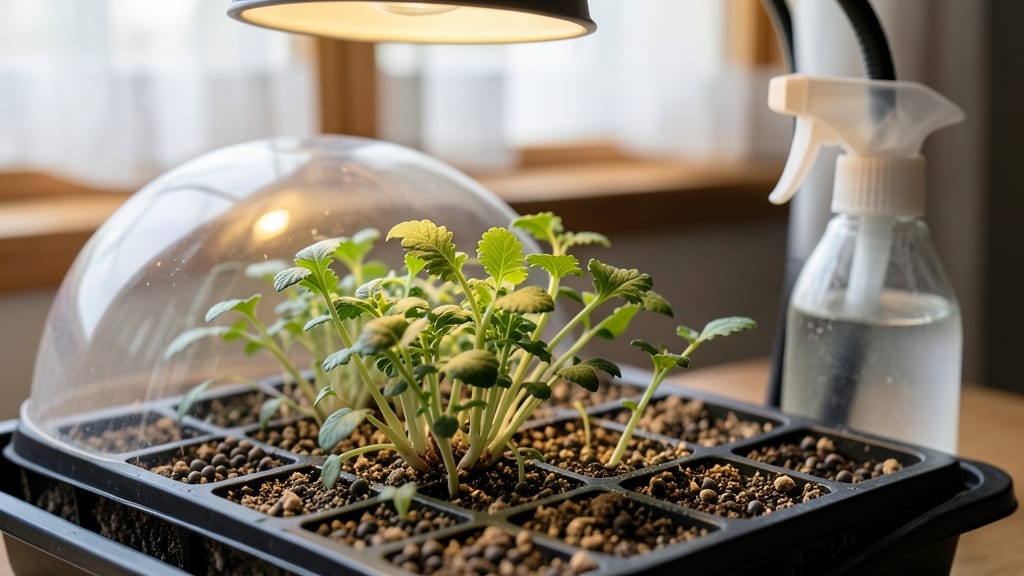
Optimal conditions for arugula seed germination: temperature, moisture & light
Arugula seeds are famously finicky, but with the right conditions, you can achieve fast, uniform germination in just 5-10 days. The secret lies in understanding their three core needs: ideal soil temperature, precise moisture levels, and light exposure timing.
Unlike many vegetables, arugula seeds actually prefer darkness during germination—something most gardeners overlook. Let’s break down the science-backed requirements to maximize your success rate.
First, the soil temperature is the most critical factor. Arugula seeds germinate best when soil stays between 65-75°F (18-24°C). If your soil is too cold (<55°F/13°C), germination can stall for weeks.
Conversely, temperatures above 80°F (27°C) may cause seeds to rot before sprouting. Use a seedling heat mat if your climate struggles to maintain these temps, especially in early spring or fall plantings.
Next, moisture balance is non-negotiable. Arugula seeds need consistent dampness (not soggy soil) to trigger germination. Think of it like a sponge—your soil should stay moist enough to hold water but allow excess to drain.
Overwatering leads to fungal diseases like damping-off, while underwatering causes seeds to dry out and fail. A simple trick? Use a spray bottle to mist seeds daily instead of pouring water directly on them.
Here’s where most gardeners go wrong: light exposure. Unlike mature arugula plants, which love partial sun, seeds actually germinate faster in darkness. Once you see sprouts (usually in 5-10 days), you can move them to bright, indirect light or a sunny windowsill.
This two-phase approach prevents leggy seedlings and ensures strong, sturdy growth from the start.
Now, let’s tackle common germination failures and how to fix them. If your seeds won’t sprout after 14 days, check for these red flags: soil too cold (solve with a heat mat), moisture inconsistent (use a spray bottle), or seeds old (test viability with a damp paper towel).
Another issue? Mold or fuzzy growth on soil? This signals overwatering—let the top inch dry out before misting again.
For fastest results, I recommend using seed-starting trays with clear domes to trap humidity while keeping seeds in darkness. Place the tray on a heat mat (set to 70°F) and mist the soil twice daily.
Once sprouts emerge, remove the dome and move trays to a south-facing window or under grow lights for 12–14 hours of light daily. This two-step light transition mimics natural conditions and prevents etiolation (those weak, stretched seedlings).
Pro tip: Pre-soak arugula seeds for 4–6 hours before planting to jumpstart germination. Simply place them in a bowl of room-temperature water, then drain and plant. This trick can cut germination time by 2–3 days, especially in cooler climates.
Just be sure to plant them ¼ inch deep—any deeper, and they’ll struggle to break through the soil.
Finally, transplant timing matters. Once seedlings have 2–3 true leaves (not just the initial seed leaves), they’re ready to move to the garden or larger pots. Harden them off by placing them outside for 2–3 hours daily over 5–7 days before permanent transplanting.
This gradual adjustment reduces shock and ensures your arugula keeps growing strong.
With these science-backed conditions, you’ll go from frustrated gardener to arugula germination pro in no time. The key is patience and precision—arugula rewards those who pay attention to the details. Happy growing! 🌱
5 Proven tricks to boost arugula germination speed by 30-50%
Arugula seeds can be stubborn, often taking 10-14 days to sprout under standard conditions. But with these science-backed tricks, I've cut that time by nearly half—sometimes even faster!
The key is creating the perfect microclimate for those tiny seeds to wake up and grow. Let me share my top methods, ranked by effectiveness and ease.
First, understand that warmth and moisture are your best friends here. Arugula seeds need consistent soil temperatures between 65-75°F to germinate quickly. If your home or garden runs cooler, don't worry—I'll show you how to hack that too.
The good news? These tricks work for both indoor seed trays and outdoor beds, so you can use them year-round.
Here are my 5 most effective tricks, tested in my own garden and with fellow growers. Each one builds on the last, so you can layer them for maximum impact:
- 1
- 2
- 3
- 4
- 5
My favorite combo? Pre-soaking + germination dome + heat mat cuts germination time to just 5-7 days in my experience. For outdoor planting, skip the heat mat and use a black plastic mulch to warm the soil naturally.
Just remember: once those first true leaves appear, thin seedlings to 2-3 inches apart to prevent competition.
Pro tip: If you're planting in cool spring or fall weather, combine trick #4 (heat mat) with trick #5 (darkness) for the fastest results. And always use sterilized seed-starting mix to avoid damping-off disease—trust me, it's worth the extra step!