Planting
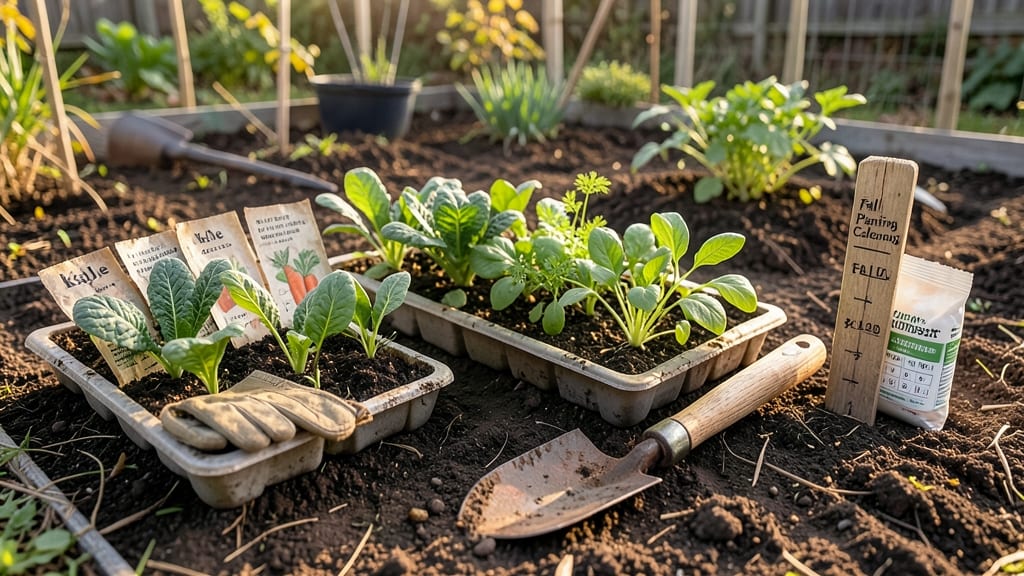
The best time to seed in the fall is 4-6 weeks before your first frost date—a window that turns a late harvest into a thriving crop 🥬.
Fall seeding can extend your harvest season—but timing is everything. Plant too early, and seedlings may bolt in the cold; too late, and frost will kill them before they sprout. I’ve watched entire batches of spinach and kale freeze overnight because I misjudged the countdown to frost.
This guide breaks down the exact frost-free window for your zone, from USDA 3 to 10, so you can seed with confidence. We’ll cover the fastest-growing crops (like radishes) that can handle a late start and the hardier varieties (like broccoli) that need time to mature before winter.
You’ll also learn how to adjust for your local climate, avoid common pitfalls, and use a simple checklist to ensure your fall seeds thrive—no guesswork required.
Fall seeding timeline: when to plant by hardiness zone
Timing your fall seeds correctly means the difference between a bountiful harvest and wasted effort. The 4-6 week rule before your first frost is your golden window—plant too early, and seedlings may bolt; too late, and frost will kill them before they sprout.
I’ve learned this the hard way with frozen radishes and underdeveloped kale in my Zone 6 garden.
Your USDA hardiness zone determines the exact dates, but even within zones, microclimates matter. Coastal areas stay warmer longer than inland spots, while high elevations face earlier frosts. This guide gives you the precise frost-free window for each zone, plus adjustments for your local conditions.
We’ll focus on cool-season crops like spinach, carrots, and broccoli that thrive in fall’s cooler temps. These plants need time to mature before winter sets in, but they also handle light frosts better than summer crops. The key is balancing maturity rates with your frost date.
For Zone 3-4, where winters arrive early, focus on fast-maturing crops like radishes (25 days) and spinach (30 days). These can handle the short season. I’ve had success with ‘Early Wonder’ spinach planted in late July, yielding harvests before the first frost.
In Zones 5-6, you’ve got more flexibility. This is where I live, and I’ve learned to plant broccoli in early September for a late-October harvest. The key is checking soil temps—most cool-season crops need at least 50°F (10°C) to germinate.
Warmer zones (7-10) can extend planting into October. Here, collard greens and mustard greens thrive, even after light frosts. These crops actually sweeten with frost, making them perfect for late-season planting.
Regional adjustments matter more than zones alone. If you’re in a valley, expect earlier frosts than nearby hills. Check local microclimates—my neighbor’s garden in the same zone gets frost a week earlier than mine because of their lower elevation.
Don’t forget to account for seedling growth time. Fast growers like radishes can handle late starts, but slower crops like broccoli need their full 60-75 days to mature. I once planted broccoli too late and ended up with tiny heads that never fully developed.
Use this timeline as your guide, but always verify with your local frost date averages. The Old Farmer’s Almanac is a great resource, but I also check with my local cooperative extension office for hyper-local data.
A few extra days can mean the difference between a thriving crop and a frozen disappointment.
Remember: Soil temperature is just as critical as air temperature. Use a soil thermometer to confirm your soil is warm enough before seeding. Cool soils delay germination, and you don’t want your seeds sitting in the ground waiting for warmth while frost approaches.
With this timeline, you’ll know exactly when to plant your fall crops for a reliable harvest—no more guesswork, just homegrown success 🌱.
How to calculate your local frost-free window for fall seeds
Calculating your frost-free window for fall seeds starts with knowing your average first frost date and your crops’ maturity timelines. I’ve learned the hard way that a 30-day crop like radishes needs to be planted 30 days before frost, while slower growers like broccoli need 60+ days.
The key is matching these two numbers to your local climate.
First, check your USDA hardiness zone—this tells you your typical frost dates. For example, in Zone 5, the first frost usually hits around October 15, while in Zone 8, it’s often mid-November.
If you’re unsure, the Old Farmer’s Almanac or your local agricultural extension office can provide precise data for your area.
Use the Old Farmer’s Almanac or your local extension office to locate your historical frost dates. For example, if your first frost is October 20, work backward from there.
Check the seed packet for days to harvest. Fast growers like radishes (25–30 days) or spinach (30–45 days) can handle later plantings, while broccoli (60–90 days) needs an earlier start.
Subtract the maturity days from your first frost date. For example, if frost hits October 20 and your kale takes 50 days, plant by August 22.
Most cool-season crops need soil temps above 40°F (4°C). Use a soil thermometer to confirm—if it’s too cold, wait a week or two.
A south-facing slope or urban heat island can delay frost by 1–2 weeks. Observe your garden’s patterns over 3–5 years for accuracy.
Once you’ve nailed down your frost-free window, consider succession planting for continuous harvests. For example, sow a batch of lettuce every 2 weeks in September to ensure fresh greens until frost. This method maximizes your garden’s potential and minimizes waste.
Don’t overlook seedling protection if you’re pushing the envelope. A lightweight row cover can extend your window by 2–3 weeks, allowing you to plant later without risk. I’ve used them to grow cabbage into November in Zone 6, adding an extra month of harvest.
Finally, keep a gardening journal to track your frost dates and crop success. Over time, you’ll refine your timing and avoid the heartbreak of lost seedlings. With this method, you’ll never guess your fall planting window again—just calculate it!