
Vegetables
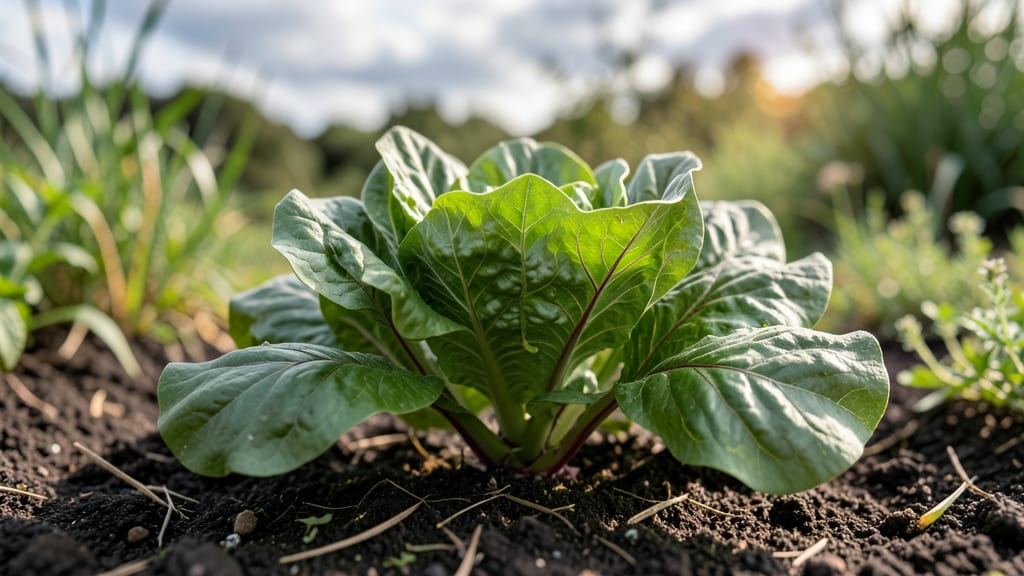
Understanding the stages of black seed lettuce growth 🥬 is the secret to harvesting crisp, flavorful leaves every time — and skipping the bitter disappointment of overgrown heads.
If you've ever pulled a lettuce plant only to find it bolted or tasted a sad, wilted leaf, you're not alone. The difference between a perfect harvest and a sad salad is knowing when to pick, how to spot trouble early, and what each leaf shape actually means.
Black seed lettuce thrives in cool weather, but even the hardiest varieties need the right timing. From the first tiny sprouts to fully formed heads, each stage has its own clues about what's coming next — and what could go wrong if you miss them.
In this guide, I’ll walk you through every phase with clear visual cues, so you can harvest at the perfect moment, avoid common mistakes, and enjoy a steady supply of fresh, crisp greens all season long.
Black seed lettuce growth stages: a visual breakdown from seed to harvest
Growing black seed lettuce is one of my favorite gardening adventures because it transforms from tiny seeds into crisp, flavorful leaves in just 45-60 days. But knowing exactly what to expect at each growth stage helps you avoid common mistakes like harvesting too early or missing the perfect moment.
Let’s walk through the visual cues that signal each phase, so you can grow lettuce that’s crisp, tender, and full of flavor.
Understanding these stages also helps you adjust for environmental factors like temperature and sunlight, which can speed up or slow down growth. For example, hot summer days might cause bolting, while cool spring mornings encourage steady leaf development.
Each stage has unique leaf shapes, colors, and heights that make it easy to track progress.
Here’s a visual summary of what to expect at each black seed lettuce growth stage, from seed to harvest:
| Stage | Days to Reach | Leaf Shape/Color | Plant Height | Key Cues |
|---|---|---|---|---|
| Germination | 3-7 days | Tiny green sprouts | 0.25 inches | Seeds sprout into round cotyledons; keep soil moist. |
| Seedling | 7-14 days | Small, lobed leaves | 2-4 inches | First true leaves appear; thin seedlings to 12 inches apart. |
| Leaf Development | 14-30 days | Dark green, frilly edges | 6-12 inches | Leaves grow larger; ideal for baby leaf harvests. |
| Mature Head | 30-45 days | Compact, deep green | 10-12 inches | Heads form tightly; stems snap easily when ready. |
| Bolting (Over-Mature) | 45+ days | Yellowing, bitter leaves | 12+ inches | Plant sends up flower stalks; harvest before this stage. |
The germination stage is where your adventure begins. After sowing black seed lettuce seeds ¼ inch deep, you’ll see tiny green sprouts emerge in 3-7 days if soil temperatures stay between 50-75°F.
Keep the soil moist but not soggy—this is critical for preventing seed rot. If your seeds take longer than a week to sprout, check for consistent moisture and proper soil contact.
Once seedlings appear, they enter the seedling stage, where their first true leaves develop. These leaves are small and lobed, and the plant will reach about 2-4 inches tall in this phase.
This is the perfect time to thin your seedlings to 12-18 inches apart to give them room to grow. If you’re growing in containers, ensure they have at least 6-inch diameter pots to avoid root competition.
As your lettuce matures, you’ll notice the leaf development stage, where the leaves grow larger and take on their signature dark green color with frilly edges. This stage typically occurs between 14-30 days after planting.
During this phase, your lettuce is most sensitive to temperature fluctuations. If nights stay above 70°F, your plants may bolt prematurely, so consider using shade cloth in hot climates.
The mature head stage is when your hard work pays off. Your black seed lettuce will form a compact, deep green head that’s ready for harvest. At this point, the plant will be 10-12 inches tall, and the leaves will be fully crisp.
One of my favorite tricks is to check for stem snap
When to harvest black seed lettuce: optimal timing by leaf size and flavor
Harvesting black seed lettuce at the right moment transforms your garden into a crisp, flavorful salad factory. Unlike some varieties that bolt quickly, black seed lettuce gives you a 30- to 60-day window to decide: do you want tender baby leaves, full-size heads, or continuous harvests?
The key is watching leaf size, color, and texture—each signals a different stage of readiness.
For baby leaves, harvest when they reach 2-3 inches long—this is ideal for microgreens or salad mixes. These young leaves pack the most delicate flavor and tender texture.
If you wait too long, even by a few days, the leaves toughen and develop that unwelcome bitterness that turns your salad into a chewy disappointment.
In cool climates (USDA Zones 3-6), aim for a harvest when daytime temperatures stay below 75°F. This is when black seed lettuce thrives, delivering the sweetest, crispest leaves.
If you're in a warmer zone (Zones 7-10), harvest earlier—around 30-40 days—to avoid the heat stress that triggers bolting. Morning harvests are best because the leaves are cool and crisp, not wilted from afternoon sun.
For continuous harvesting, use the "cut-and-come-again" method: snip the outer leaves when they reach 4-6 inches, leaving the inner leaves to grow. This keeps your plants productive for weeks. Just avoid cutting more than one-third of the plant at once, or you’ll shock the regrowth.
If you prefer whole heads, wait until the leaves form a tight, firm rosette—this usually takes 45-60 days, depending on your climate.
Watch for bitterness warnings: if your leaves start looking yellow-edged or loose-headed, it’s a sign of stress—likely from heat or over-maturity. In warm climates, shade cloth can buy you extra time, but the best fix is to harvest earlier.
For the sweetest flavor, always pick in the morning after watering. The crisp snap of a fresh leaf is your best quality check!
Pro tip: Label your plants with harvest dates to track progress. I keep a small garden journal noting when I plant and harvest each batch—it’s saved me from overgrown, bitter lettuce more times than I can count.
With the right timing, you’ll enjoy a steady supply of fresh greens all season long.