
Lawn
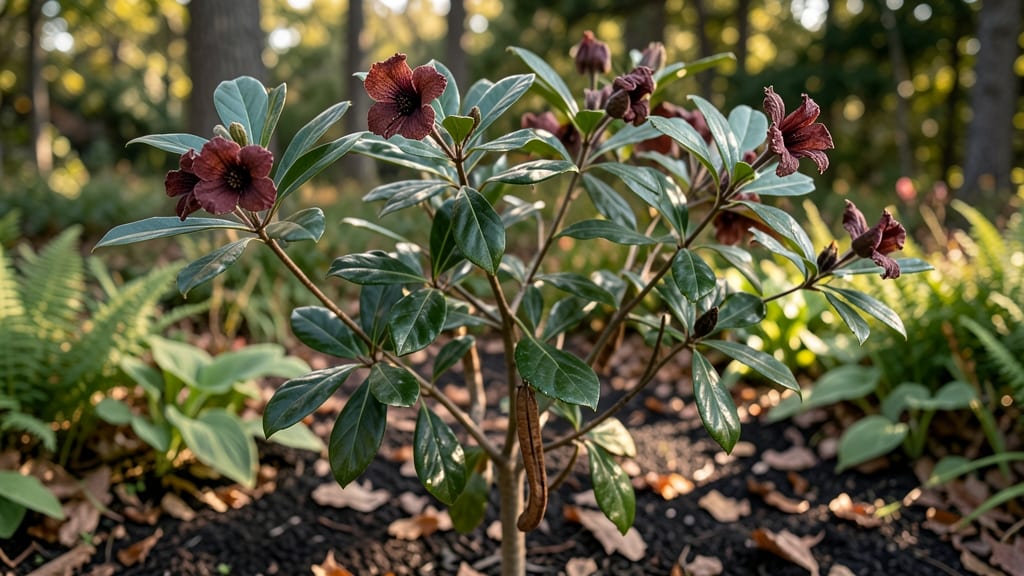
Harvesting Carolina allspice seed pods at the perfect moment means never struggling with dried-out seeds again. 🌿 These unique pods release their seeds naturally when ripe, but knowing when to collect them—and how to process them—is the secret to year-round propagation success.
My first attempt left me with moldy pods, but now I’ve cracked the system for clean, viable seeds every season.
The key is timing: wait until the pods turn a deep, papery brown and split open on their own—usually in late fall. Once collected, you’ll need just a few supplies: a clean tray, a fine mesh screen, and a warm, dry spot.
The process takes about 10 minutes of hands-on work, but the payoff is seeds that stay fresh for months. No twisting, no forcing—just nature’s built-in release mechanism.
What you’ll end up with is a stash of seeds ready for indoor sowing or outdoor planting, depending on your climate. Start them in well-draining soil under grow lights for 6-8 weeks before transplanting, and you’ll have young plants that thrive in partial shade.
The fragrance alone—like a mix of spice and sweetness—makes the effort worth it.
This method also works for creative uses: dried pods make stunning winter decorations, and the seeds can even be used in spice blends (though they’re milder than true allspice). Whether you’re propagating for the garden or experimenting with flavors, the twist-free approach keeps things simple and reliable.
📚 In This Guide
- What you need
- Instructions
- Tips and common mistakes
- Wrapping up and next steps
What you need
- ● Carolina allspice seed pods: Fresh, fully mature pods (brown, papery, and slightly wrinkled). Aim for at least 10-15 pods for a bountiful harvest.
- ● Pruning shears or sharp scissors: For cleanly snipping pods from the plant (sterilized with rubbing alcohol for hygiene).
- ● Brown paper bags or breathable mesh bags: 2-3 bags to store pods during drying (avoid plastic to prevent moisture buildup).
- ● Drying rack or wire mesh screen: A flat surface with airflow (e.g., a cooling rack or a wooden frame covered with cheesecloth).
- ○ Rubber bands or twine: To secure pods in bundles for hanging (optional but helpful for space-saving).
- ● Air-tight glass jars or food-grade containers: 1-2 jars (8 oz or larger) with tight-sealing lids for long-term storage.
- ● Labeling tags and marker: To mark jars with the harvest date and storage instructions.
- ● Desiccant packets: Place 1-2 in storage jars to absorb excess moisture and extend shelf life.
- ● Food dehydrator: For faster drying (set to 95°F/35°C for 4-6 hours if pods are damp).
- ● Glove: A pair of thin gardening gloves to protect hands from prickly stems or sap.
- ● Digital scale: For precision if you’re measuring pods for culinary or medicinal use (aim for 0.5–1 oz of seeds per jar).
- ● Spice grinder or mortar & pestle: If you plan to crush seeds for teas, seasonings, or tinctures.
Step-by-Step guide to harvesting Carolina allspice seed pods
Here's how to collect and store these fragrant seeds without the messy twisting—plus keep them viable for months.
🌿 Step 1: Identify and Select Mature Seed Pods
Carolina allspice pods turn from green to a deep reddish-brown when fully mature—this usually happens in late summer or early fall. Look for pods that feel slightly papery to the touch and have begun to split open naturally. I avoid harvesting pods that are still green or firm, as they won't contain viable seeds.
Gently twist a few pods to test their readiness. If they release seeds easily with just a slight turn, they're ready. If they resist, wait another week. The best pods are those that open on their own, revealing the shiny black seeds inside. Harvest on a dry morning after any morning dew has evaporated to prevent moisture from sticking to the seeds.
✂️ Step 2: Harvest and Extract Seeds Carefully
Use clean, sharp pruning shears to snip the mature pods from the plant. Cut just above the stem attachment point to avoid damaging the plant. Place the harvested pods in a clean, dry container—like a paper bag or cardboard box—so they can finish drying naturally indoors.
Once indoors, spread the pods out on a flat surface or hang them in small bundles (like a mini drying rack) in a warm, dry place with good air circulation. Avoid direct sunlight, which can overheat the pods and cause the seeds to lose viability. After 3-5 days, the pods should be completely dry and brittle. At this point, you can gently crush them between your fingers or use a mortar and pestle to release the seeds.
🪴 Step 3: Clean and Store Seeds for Long-Term Viability
Spread the released seeds on a clean, dry surface and use a small brush or your fingers to remove any remaining pod fragments or debris. Carolina allspice seeds are naturally small and easy to handle, but I always sift them through a fine mesh sieve to ensure purity. Once clean, let the seeds air-dry for an additional 24 hours to eliminate any lingering moisture.
Store the seeds in an airtight container, like a small glass jar or resealable plastic bag, and keep them in a cool, dark place—such as a pantry or refrigerator. Properly stored seeds retain viability for up to 2 years, making them ready for planting whenever you're ready to grow new Carolina allspice plants.
⏰ Step 4: Plant or Preserve Seeds for Future Use
If you're ready to plant immediately, sow the seeds in well-draining soil, about ¼ inch deep, and keep them moist until germination, which typically occurs in 2-4 weeks. For long-term preservation, label your storage container with the harvest date to track seed freshness. I like to add a small silica gel packet to the container to absorb any residual moisture and further extend shelf life.
Carolina allspice seeds are versatile—you can use them for planting, infusions, or even as a unique spice in culinary dishes. Just remember, the key to success is patience: waiting for the pods to mature fully ensures the best seed quality and viability.
Tips & tricks for perfect Carolina allspice seed pod harvesting
Here's what makes all the difference when handling these delicate pods—tricks I learned after a few messy harvests!
Pod Maturity Test: In Step 1, when testing pod readiness, look for pods that split open without twisting—this is your green light. The seeds inside should be shiny and black, not dull or brown. If pods feel tough or resist opening, they need more time. I've learned to harvest in batches, checking every few days until pods naturally begin to open.
Drying Strategy: For Step 2's 3-5 day drying period, I recommend hanging pods in small bundles using twine or string. This creates airflow around each pod, preventing moisture buildup that can spoil seeds. Place them near a fan on low setting to accelerate drying without overheating. Avoid paper bags—they trap humidity and can cause mold.
Seed Cleaning Hack: When cleaning seeds in Step 3, I use a fine mesh sieve and a small paintbrush to gently sweep seeds through. The brush helps dislodge seeds stuck in pod fragments without damaging them. For the additional 24-hour air-dry, I spread seeds on a clean kitchen towel in a single layer—this prevents clumping while ensuring complete moisture evaporation.
Storage Extension: To maximize the 2-year viability promise, I add two silica gel packets to my storage containers. One goes at the bottom, another near the seeds. Label containers with the harvest date—this helps track freshness. For planting, I always test a few seeds from the oldest batch first to confirm viability before using the entire container.
Pro Tips for Carolina Allspice Seed Pods
- Here's what makes all the difference when handling these delicate pods—tricks I learned after a few messy harvests!
- Pod Maturity Test: In Step 1, when testing pod readiness, look for pods that split open without twisting—this is your green light.
- Drying Strategy: For Step 2's 3-5 day drying period, I recommend hanging pods in small bundles using twine or string.
Frequently asked questions
When is the best time to harvest Carolina allspice seed pods?
The ideal time to harvest seed pods is in late fall to early winter (October–December) when they turn brown and begin to split open naturally. This ensures maximum seed viability for replanting. Avoid harvesting when pods are still green or fully dried out—timing is key for germination success!
Can I save seed pods from last year for planting this spring?
Yes, but with caution! Store dried pods in a cool, dry place (like a paper bag) until spring. Test a few seeds for germination first—if they sprout within 2–4 weeks, the rest are viable. For best results, harvest fresh pods annually, as older seeds may lose vigor.
What if my seed pods won’t open naturally? How can I help them?
If pods resist splitting, try these tricks:
- Sun-drying: Spread pods on a tray in direct sunlight for 1–2 days.
- Freeze-thaw: Place pods in a sealed bag in the freezer overnight, then thaw at room temp.
- Gentle prying: Use a butter knife to carefully separate pods without damaging seeds.
Are Carolina allspice seed pods edible, or just for planting?
Both! While the seeds themselves aren’t typically eaten raw, the dried pods add a warm, anise-like flavor to teas, broths, or baked goods (like gingerbread). For culinary use, lightly toast pods first to enhance aroma. Always confirm identification—some look-alikes are toxic!
What should I do if I accidentally plant non-viable seeds?
Don’t panic! Test a small batch first—plant 5–10 seeds in pots with moist soil. If no sprouts appear in 6–8 weeks, the batch is likely spent. For next time, prioritize fresh pods or store seeds in the fridge (up to 1 year) to extend shelf life.
Wrapping up and next steps
Harvesting Carolina allspice seed pods without twisting ensures their long-term viability, making them a fantastic addition to your garden or culinary adventures. Whether you're preserving them for year-round use or sharing with fellow plant enthusiasts, this twist-free method keeps their potency and flavor intact.
Now that you're equipped with the know-how, give it a try—your future self (and taste buds!) will thank you. 🌿✨
Next step: Start small—harvest a few pods and experiment with drying or storing them to see what works best for your needs!