
Size
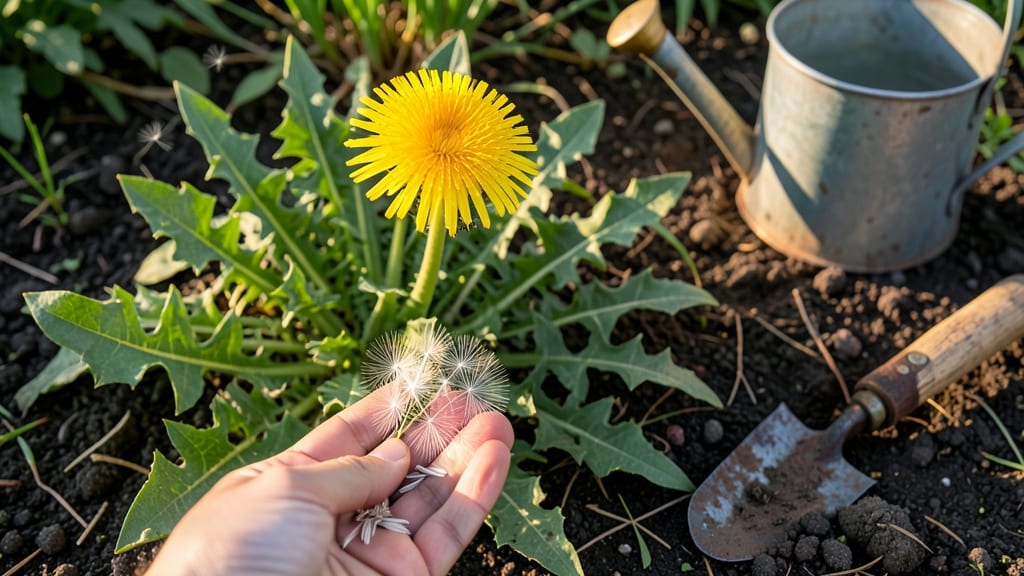
Growing a garden from dandelion seeds turns weeds into next year’s brightest blooms. 🌻 I’ve saved seeds from my lawn for three seasons now, and every time, the resulting dandelions outshine store-bought flowers. They’re tough, pollinator magnets, and they thrive where other plants struggle.
The secret starts with soil—dandelions love loose, well-draining earth, even in poor conditions. Scatter seeds in early spring after the last frost, pressing them lightly into the top inch of soil. They need full sun (6+ hours daily) and minimal watering once established—overwatering is their only enemy.
Within weeks, you’ll see those familiar yellow faces popping up, stronger than anything from a packet.
By summer, you’ll have a sea of blooms that feed bees, butterflies, and birds all season. The real magic? Harvesting seeds in late summer turns your garden into a self-sustaining cycle.
Let a few plants go to seed, collect the fluffy puffs, and store them in a dry envelope until next spring. It’s gardening with zero waste and maximum beauty.
Works in lawns, borders, or containers—just don’t let them seed where you don’t want them. Once you try it, you’ll never look at dandelions the same way again. Ready to give it a shot?
📚 In This Guide
- What you need
- Instructions
- Tips and common mistakes
- Wrapping up and next steps
What you need
- ● Dandelion seed heads: Collect fully mature seed heads (white, fluffy puffballs) when they’re dry but haven’t yet released seeds. Aim for 10–20 heads for a small garden patch or 50+ for a larger area.
- ● Paper bags or brown paper: 1–2 large bags (12"x18" or larger) to store seeds. Poke small holes in the bottom for airflow.
- ● Scissors or pruners: Sharp, clean tools to snip seed heads cleanly.
- ○ Gloves (optional but helpful): Protect your hands from prickly stems or sap.
- ● Pencil or marker: For labeling bags with the harvest date.
- ● Small cardboard box or envelope: For temporary seed storage if you’re not ready to plant immediately.
- ● Seed-saving envelopes: Paper packets with zip locks to extend seed viability (great for long-term storage).
- ● Desiccant packets: Tiny silica packs to absorb moisture and keep seeds dry.
- ● Notebook: To track harvest dates, seed sources, or germination notes.
- ● Compost bin: For disposing of non-fluffy parts of the dandelion (leaves, stems).
- ● Sunflower or mesh screen: To gently shake seeds out of heads without losing them to the wind.
Step-by-step instructions for harvesting and saving dandelion seeds
Turn those golden puffballs into next year’s free garden starters—no store-bought seeds needed.
🌱 Step 1: Identify and Select Mature Seed Heads
Wait until dandelion seed heads turn from fluffy white to tan or brown, signaling full maturity. These dried heads are packed with seeds ready for collection. I look for heads that have closed slightly—they’ll release seeds more easily when shaken. Avoid heads still covered in white fluff, as they haven’t finished developing.
Choose healthy, pesticide-free plants growing in your garden or along roadsides. If you’re harvesting from lawns, skip areas treated with herbicides, as chemical residues can harm germination. The best time to harvest is on a dry morning after dew has evaporated—this prevents seeds from sticking to the heads or falling prematurely.
💧 Step 2: Collect Seeds Using the Paper Bag Method
Cut the seed head from the stem with clean scissors or pruners, leaving about 2 inches of stem attached. This makes handling easier. Place the entire head into a brown paper lunch bag (the kind with the twist tie). The bag’s texture helps seeds cling to the paper rather than floating away.
Seal the bag with the twist tie and gently shake the seed head for 30 seconds to 1 minute. You’ll hear seeds rattling inside—they’re now ready for storage. If you’re harvesting multiple heads, label each bag with the date and location (e.g., “Front Yard – June 2024”). This helps track seed viability later.
☀️ Step 3: Dry and Store Seeds for Planting
Leave the sealed bags in a dry, dark place (like a closet or pantry) for 1-2 weeks. This allows any remaining moisture to evaporate, preventing mold. Shake the bags occasionally to redistribute seeds—some may still cling to the stem or paper.
After drying, open the bags and pour seeds onto a clean surface. Remove any debris or empty seed pods by hand. Store seeds in a small envelope or airtight container labeled with the harvest date. Keep them in a cool, dry spot—dandelion seeds stay viable for 2-3 years if stored properly. I like to add a silica gel packet to the container to absorb any lingering moisture.
🌿 Step 4: Plant Seeds for Next Year’s Garden
Sow seeds in early spring or fall, when soil temperatures are 50-65°F. Scatter seeds lightly over prepared soil—dandelions don’t need deep planting. Press them into the top ¼ inch of soil and water gently. They thrive in full sun but tolerate partial shade.
Keep the soil moist but not soggy until seedlings appear in 7-14 days. Thin seedlings to 6-12 inches apart once they’re 2-3 inches tall, giving them space to grow. Dandelions are hardy and low-maintenance, so they’ll pop up year after year if left undisturbed. Just be prepared for their cheerful (but sometimes unwanted) presence!
⏰ Step 5: Maintain and Enjoy Your Dandelion Garden
Let some dandelions bloom undisturbed to attract pollinators like bees and butterflies. If you’re growing them for seeds, avoid using herbicides or pesticides—they’ll kill the plants before they can mature. Water deeply once a week during dry spells, but dandelions are drought-tolerant once established.
Harvest seeds again next year using the same method. Over time, you’ll have a self-sustaining dandelion patch that requires no effort beyond occasional seed collection. It’s a zero-waste way to enjoy these resilient, cheerful flowers without spending a dime on seeds!
Tips & tricks for perfect dandelion seed harvesting
Here's what nobody tells you about getting the most from those fluffy dandelion puffballs.
Timing is Everything: Harvest on a dry morning after dew has evaporated—this prevents seeds from sticking to the heads or falling prematurely. I've learned this the hard way after watching seeds cling stubbornly to damp stems. The 30 seconds to 1 minute shaking time in Step 2 works best when heads are completely dry. If you're harvesting multiple heads, spread them out on a clean towel first to let any lingering moisture evaporate before bagging.
The Paper Bag Hack: Brown paper lunch bags are perfect for this method because their texture helps seeds cling to the paper rather than floating away. If you don't have these handy, any paper bag with a twist tie will work—just avoid plastic bags, as seeds will stick to them and be harder to remove. I keep a dedicated stash of these bags in my garden shed for exactly this purpose. The 2 inches of stem you leave attached makes handling much easier when shaking.
Drying Strategy: The 1-2 weeks drying time in Step 3 is crucial for preventing mold. I place my bags in a dark closet with a small fan blowing gently across them—this helps speed up the drying process while preventing moisture buildup. Shake the bags every few days to redistribute seeds that might still be clinging to the stem or paper. If you're in a humid climate, you might need the full 2 weeks rather than just 1 week.
Storage Wisdom: Dandelion seeds stay viable for 2-3 years when stored properly, but proper storage starts with complete drying. I like to add a silica gel packet to my storage containers to absorb any lingering moisture—this extra step has saved me from moldy seeds in the past. Label your containers with the harvest date so you can track seed viability. For long-term storage, consider using small envelopes rather than larger containers—they take up less space and prevent seeds from getting crushed.
Pro Tips for Dandelion Seed Grow A Garden
- Here's what nobody tells you about getting the most from those fluffy dandelion puffballs.
- Timing is Everything: Harvest on a dry morning after dew has evaporated—this prevents seeds from sticking to the heads or falling prematurely.
- The Paper Bag Hack: Brown paper lunch bags are perfect for this method because their texture helps seeds cling to the paper rather than floating away.
Frequently asked questions
Got questions about growing dandelions from seed? You’re not alone!
Here are answers to the most common queries—from timing to troubleshooting—to help you master this zero-waste gardening hack.
When is the best time to collect dandelion seeds for planting?
The ideal time is late summer to early fall (August–September), when seed heads are fully mature but haven’t yet released their fluff. Wait until the puffballs turn brown and dry—this ensures high germination rates. Avoid collecting after rain, as damp seeds may rot.
How long does it take for dandelion seeds to sprout?
Dandelion seeds germinate quickly! Under ideal conditions (warm soil, consistent moisture), you’ll see sprouts in 5–14 days. If germination takes longer, check soil temperature (aim for 50–70°F) and ensure seeds aren’t buried too deep (¼ inch max). Patience pays off—slow starters may still pop up!
Can I grow dandelions from store-bought seeds, or do I need to harvest my own?
You can use store-bought dandelion seeds, but home-harvested seeds are often hardier and better adapted to your climate. If buying, opt for organic, non-GMO seeds from reputable suppliers. Just note: Store-bought varieties might not match the resilience of wild-collected seeds.
Will dandelions attract pests or harm my garden?
Dandelions are beneficial plants! Their flowers feed bees, butterflies, and pollinators early in the season. However, their deep roots can compete with shallow-rooted plants like lettuce. If space is tight, grow them in dedicated beds or containers. Avoid overcrowding—they spread easily but won’t “take over” if managed.
What if my dandelion seeds don’t grow? Troubleshooting tips.
Try these fixes if germination fails:
- Check soil moisture: Keep seeds consistently damp (not soggy) until sprouts appear.
- Test seed viability: Soak a few seeds in water overnight—if they sink, they’re likely good.
- Adjust sunlight: Dandelions thrive in full sun (6+ hours/day). Move pots or thin seedlings if shading is an issue.
- Replant: If seeds are old, collect fresh ones from a healthy plant.
Still struggling? Your local climate might need a cold stratification trick—chill seeds in the fridge for 2–4 weeks before planting.
Wrapping up and next steps
Growing a garden from dandelion seeds is a rewarding, eco-friendly way to cultivate beauty without waste! 🌱 These hardy blooms thrive with minimal effort, offering vibrant colors and a sustainable harvest for years.
Whether you’re a seasoned gardener or just starting, this method proves that nature’s resilience can turn even the simplest seeds into a thriving garden.
Now that you’re equipped with tips and answers, take the next step: collect those seeds this fall and watch your garden flourish next spring! Share your progress with fellow green thumbs—happy growing! 🌿