
Plants
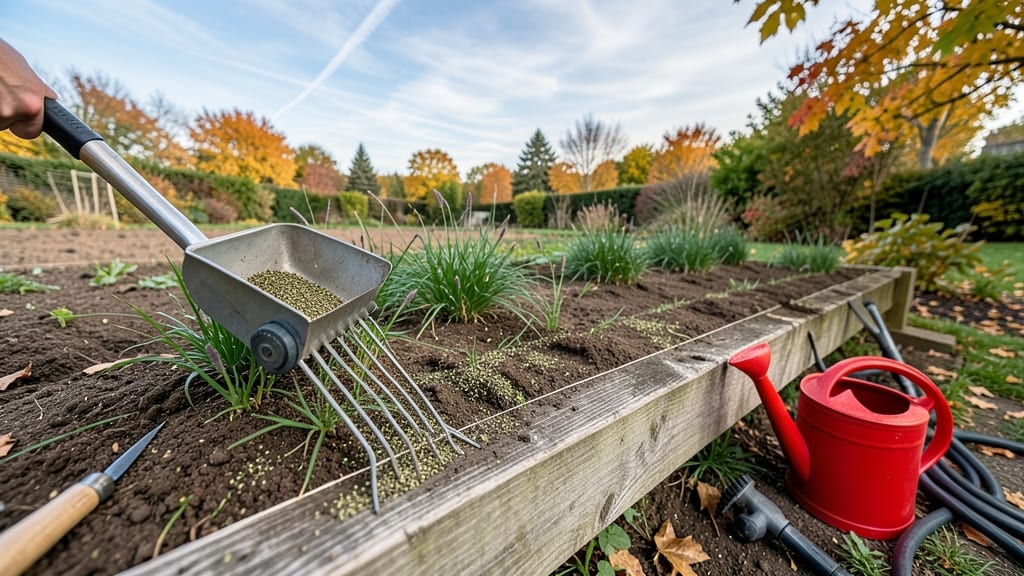
Planting grass seed in the fall is your best shot at a thick, weed-resistant lawn before winter sets in—timing it right means roots establish while soil stays warm.
Fall is the secret weapon for a lush, resilient lawn—planting grass seed at the right time in autumn can give you a head start on spring beauty and outsmart weeds before winter sets in. But miss the window, and you’ll end up with patchy growth or wasted seed.
In Zone 6a, aim for 4-6 weeks before frost—typically late September to early October. Cooler temps and fewer weeds make this the perfect time for germination, but rushing it means frost will kill tender sprouts.
Below, I’ll break down the exact planting window for your region, how to prep your soil, and the top grass varieties that thrive when temperatures drop—so you can skip the guesswork and get a lawn that wows next spring.
Best fall planting windows for grass seed by climate zone
Timing is everything when it comes to fall grass seed planting. Unlike spring, autumn offers cooler soil temperatures and fewer weeds, giving seeds the perfect environment to establish strong roots before winter.
But the exact planting window depends on where you live—whether you're in the chilly Northern USDA zones or the milder Southern regions. Plant too early, and weeds might steal the show; too late, and frost will halt germination.
For most gardeners, the ideal fall planting window falls between 4–6 weeks before your first frost date. This gives seeds time to sprout, develop roots, and harden off before winter dormancy.
However, this timeline shifts dramatically depending on your USDA hardiness zone. Northern climates (Zones 3–5) have shorter windows, while Southern regions (Zones 7–10) can plant later into fall.
🌱
| USDA Zone | First Frost Date | Best Planting Window | Soil Temp Goal | Key Considerations |
|---|---|---|---|---|
| Zones 3–5 (Cold Climates) | Mid-September to early October | Late August to mid-September | 50–65°F (10–18°C) | Short window; prioritize cool-season grasses like fescue. |
| Zones 6–7 (Temperate) | Late October to early November | Mid-September to early October | 55–70°F (13–21°C) | Flexible timing; can plant into November if soil is workable. |
| Zones 8–10 (Warm Climates) | December to January | October to early November | 60–75°F (16–24°C) | Longer window; warm-season grasses like Bermuda can be overseeded. |
In Northern zones (3–5), where winters are harsh, aim to plant by mid-September at the latest.
The soil should still be warm enough for germination—50–65°F (10–18°C)—but cool enough to deter weeds. Cool-season grasses like tall fescue and Kentucky bluegrass thrive in these conditions, while warm-season grasses like Zoysia struggle to establish before frost.
For temperate zones (6–7), you’ve got a bit more flexibility. Planting between mid-September and early October works well, as soil temperatures hover around 55–70°F (13–21°C). This is prime time for fine fescue and ryegrass, which germinate quickly and tolerate light frosts.
If you miss this window, you can still plant into November, but germination slows significantly.
In Southern zones (8–10), fall planting extends later into the season.
With first frosts often arriving in December or January, you can plant as late as early November while still achieving strong establishment. Warm-season grasses like Bermuda or St. Augustine can even be overseeded with ryegrass for winter color, though they require soil temps above 60°F (16°C).
One critical rule applies across all zones: avoid planting when daytime highs exceed 85°F (29°C). Heat stresses seeds and dries out the soil, leading to poor germination. Always check your local frost dates and adjust your timeline accordingly—most USDA zone maps provide this info for free online.
Pro tip: Use a soil thermometer to confirm temperatures. If the soil is below 50°F (10°C), wait a week or two. Patience now means a thicker, greener lawn next spring. And remember, fall planting outsmarts weeds by giving your grass a head start before they germinate in spring.
✂️
Preparing your lawn for fall grass seed success
Now that you've nailed down your fall planting window, let's focus on the critical prep work that ensures your grass seed makes optimal seed-to-soil contact. Proper preparation is the difference between a thin, patchy lawn and one that's dense and resilient by spring.
The key steps—soil testing, mowing adjustments, and weed control—create the perfect foundation for germination.
Start by mowing your lawn shorter than usual, about 1.5–2 inches, to expose bare soil where seeds can land. This also helps eliminate competition from existing grass. Just don’t scalp it—never cut more than 1/3 of the blade height at once, or you’ll stress the turf.
After mowing, rake the area thoroughly to remove debris and create a smooth surface. A stiff-bristle rake works best for breaking up thatch layers that can block seed contact.
🌱
- 1 Test Your Soil: Use a soil test kit (available at garden centers) to check pH (ideal: 6.0–7.0) and nutrient levels. Fall planting often reveals low phosphorus, which is critical for root development. Amend with compost or bone meal if needed.
- 2 Adjust Mowing Height: Mow to 1.5–2 inches to reduce competition and expose soil. Avoid scalping, which can damage grass roots and compact the soil.
- 3 Control Weeds: Apply a pre-emergent herbicide (like corn gluten meal) to prevent weed seeds from germinating. For existing weeds, spot-treat with vinegar or glyphosate, but avoid post-emergent herbicides close to planting time.
- 4 Loosen Soil: Use a garden rake or aerator to create 1/4-inch deep furrows in the soil. This improves seed-to-soil contact and allows roots to penetrate easily. Focus on compacted areas where water pools.
- 5 Apply Starter Fertilizer: Use a low-nitrogen, high-phosphorus fertilizer (like 10-20-10) to promote root growth. Spread evenly and lightly rake it into the top 1/4 inch of soil.
After prepping, water the lawn deeply to settle the soil and create a moist environment for seed germination. Aim for 1 inch of water per week, split into two applications (morning and evening).
This keeps the soil consistently damp but not soggy. Overwatering can wash seeds away or cause fungal diseases, while underwatering leads to poor root development.
Finally, choose the right grass seed for your climate. Cool-season grasses like tall fescue or Kentucky bluegrass thrive in fall planting, while warm-season grasses like Bermuda need warmer soil. Spread seed evenly with a broadcast spreader and lightly rake it into the soil to ensure good seed-to-soil contact.
A light mulch of straw can help retain moisture and protect seeds from birds.
With these steps, your lawn will be perfectly primed for fall planting, setting the stage for a lush, weed-free lawn by next spring. The key is patience and preparation—skipping these steps often leads to poor germination or uneven growth. 🌿