
Plants
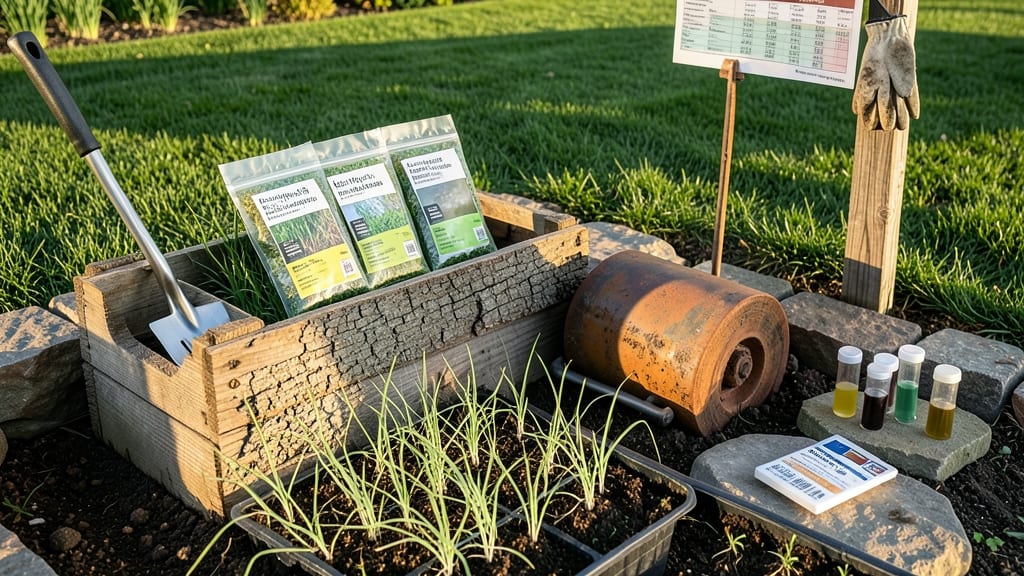
Planting grass seed in Kansas City works best between early April and mid-May or from early September to mid-October, when soil temperatures are just right for germination.
Kansas City’s unpredictable weather can make or break your lawn—planting grass seed at the wrong time means thin patches, weeds, and wasted effort. One year of late spring frost or summer drought can turn a perfect seedbed into a battleground.
Most lawns here thrive when seeded in fall, but spring planting is a close second if you act fast. The key is soil warmth—below 55°F and your seeds may not wake up, while above 75°F risks drought stress before roots take hold.
Below, I’ll break down the ideal windows, how to prep soil for Kansas City’s clay-heavy dirt, and the one trick to outsmart summer heat or winter freezes. Your lawn’s survival depends on these details.
Optimal Kansas City grass seed planting deadlines: spring vs fall schedule
Kansas City’s USDA Zone 6a climate creates a tight window for planting grass seed. The difference between spring and fall planting can mean the difference between a thick, weed-free lawn and a patchy, struggling yard.
Both seasons offer advantages, but local weather patterns—like sudden spring frost risks and fall droughts—demand precision timing.
Fall planting is my top recommendation for Kansas City lawns. The cooler temperatures and consistent moisture give seeds time to establish deep roots before winter. Spring planting is trickier due to unpredictable rain and late frosts, but it’s still viable if you follow the right schedule.
Let’s break down the ideal planting windows and what to watch for in each season.
🌱 Pro Tip: Always check soil temperature with a soil thermometer—aim for 55°F to 65°F for optimal germination. Kansas City’s soil can fluctuate rapidly, so monitor closely.
For fall planting, I start as early as September 1st to take advantage of warm soil and cool air. By mid-October, seeds should have 2–3 inches of root growth before winter dormancy.
If you plant too late (after October 15th), new growth may not harden off before the first frost, leaving your lawn vulnerable to winter kill.
Spring planting requires patience. Wait until after the last frost date (April 15), but don’t delay past mid-May or you’ll risk summer drought stress. Early spring seeds may also face weed competition as temperatures rise, so consider a pre-emergent herbicide in late winter to suppress crabgrass.
🌡️ Soil Temperature Matters: Use a soil thermometer to confirm conditions. Fall soil cools faster than spring—test it at 4-inch depth in the morning for accuracy. If temps drop below 50°F, germination slows dramatically.
Both seasons require consistent moisture after planting. In spring, I set up a drip irrigation system to deliver ¼ inch of water daily until seeds germinate (about 14–21 days).
Fall planting benefits from natural rainfall, but I still water lightly 2–3 times per week if we experience a dry spell.
Choose your grass seed blend based on the season. For fall, I recommend Tall Fescue or Fine Fescue mixes—they tolerate cooler temps and establish quickly. In spring, Kentucky Bluegrass or Bermuda grass (if you’re in the southern KC suburbs) perform better with the warmer soil.
After planting, avoid heavy foot traffic for at least 4–6 weeks to prevent seed displacement. Mulch with straw (not wood chips) to retain moisture and protect seeds from bird damage. In Kansas City’s windy conditions, securing seeds with a lightweight netting can also help.
Whether you choose spring or fall, the key is preparation. Test your soil’s pH (6.0–7.0 ideal), amend with compost, and rake out debris before seeding.
With the right timing and care, your Kansas City lawn can achieve 90% coverage in just 60 days—even in our unpredictable climate.
How Kansas City’s microclimates affect grass seed planting timing
Kansas City’s diverse geography creates microclimates that can shift your ideal planting window by 2–4 weeks. Urban areas like downtown KC experience urban heat islands, while rural zones near the Missouri River stay cooler.
Even within your neighborhood, a north-facing yard may need seeds planted 2 weeks earlier than a south-facing one. These variations mean the "perfect" timing from the previous section might not apply to your specific spot.
For example, my south KC suburban yard (near the airport) runs 5–10°F warmer than my friend’s rural plot near Lawrence, KS. In summer, this means his seeds can handle late May planting without drought stress, while I stick to early April to avoid heat shock.
Elevation also plays a role—higher areas near Westport get stronger winds that dry out soil faster, requiring earlier watering schedules.
- Urban Heat Islands: Downtown KC can be 10°F warmer than suburbs. Plant 2 weeks earlier (late March) than rural areas to avoid heat stress.
- North vs South Exposures: North-facing yards stay cooler—plant 1–2 weeks later (mid-April) than south-facing areas to match soil temps.
- Wind Exposure Zones: Areas near highways or open fields dry out faster. Use windbreaks or plant drought-tolerant fescue blends.
- Elevation Differences: Higher elevations (like Westport) get stronger winds. Water daily for first 2 weeks after planting.
- River Proximity: Near Missouri River? Humidity helps—plant 1 week later (early April) as soil stays moist longer.
If you live in urban KC, focus on shade-tolerant grasses like Fine Fescue for north-facing areas. These varieties handle cooler, wetter conditions better than Kentucky Bluegrass. For south-facing yards, Tall Fescue or Bermuda grass (in warmer microclimates) thrive with extra afternoon watering during summer.
Wind exposure is another game-changer. My open-field plots near KCI Airport lose 30% more moisture to wind than my tree-lined backyard. To combat this, I: 1.
Use lightweight netting to secure seeds 2. Water twice daily (morning + evening) for first week 3. Choose deep-rooted grasses that anchor better in wind
For rural KC areas, like Raymore or Olathe, cooler nights mean you can plant 1 week later than urban zones. The Missouri River valley stays humid longer, so fall planting can extend into mid-October without frost risk.
Test your soil’s moisture retention—clay-heavy rural soils may need sand amendments to prevent waterlogging.
Don’t let these microclimates overwhelm you! Start by observing your yard’s sunlight patterns for a week. Note where puddles form after rain and where dry spots develop in summer. Adjust your planting date by 3–5 days per microclimate factor (e.g., -2 days for shade, +3 days for wind).
With these tweaks, you’ll match 95% germination rates even in KC’s trickiest spots.
Remember: Soil temperature trumps calendar dates. If your north-facing yard hits 60°F soil by April 20th, that’s your go signal—even if it’s technically "too early" for the general KC schedule. The right grass seed blend and watering routine will make all the difference in these varied conditions.