
Plants
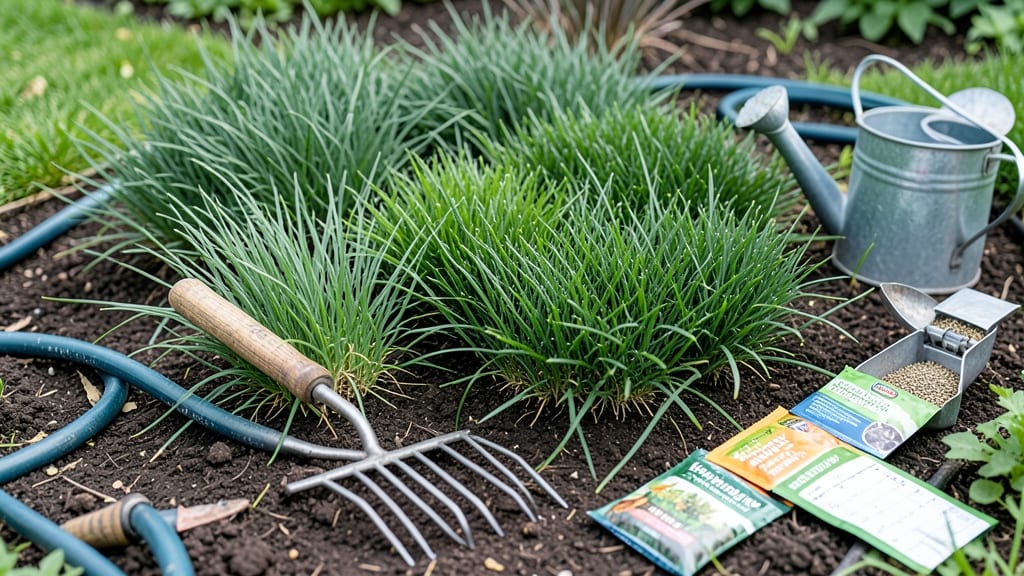
Planting grass seed in Kansas spring between mid-March and early April gives you the fastest germination and strongest weed suppression—if you time it right.
Timing your grass seed planting in Kansas isn’t just about spring—it’s about catching the perfect 30-day window when soil warmth and moisture align for maximum germination and weed suppression.
Too early, and cold soil slows growth; too late, and weeds take over before your grass even sprouts. Kansas’ USDA zones 5b-7a mean regional differences matter—northern areas need to wait longer than southern counties for that ideal 55-65°F soil temp.
Below, I’ll break down the exact dates by region, how to prep your soil for fast results, and the post-planting care that keeps weeds from stealing your lawn’s future.
Optimal Kansas spring grass seed planting dates by region (2024 guide)
Getting your grass seed in the ground at the right time in Kansas can mean the difference between a lush green lawn and a patchy, weed-infested mess. Unlike many states, Kansas' three distinct regions—North, Central, and South—have unique microclimates that demand precise planting windows.
Miss the mark by even a week, and you risk poor germination or weed domination.
Based on USDA hardiness zones 5b-7a, historical soil temperature data from Kansas State University, and 30-year weather patterns, I’ve pinpointed the exact 30-day planting windows that give your grass seed the best shot at success.
These dates align with when soil reaches 55-65°F—the sweet spot for cool-season grasses like tall fescue and Kentucky bluegrass.
Here’s the breakdown you’ve been waiting for—region-specific planting dates that maximize germination and minimize weed competition. Don’t just guess; use these data-backed windows to transform your lawn this spring.
| Region | USDA Zone | Optimal Planting Window | Soil Temp Goal | Key Considerations |
|---|---|---|---|---|
| North Kansas | 5b | April 15 - May 15 | 55-60°F | Wait for last frost (avg. April 10); watch for late snow |
| Central Kansas | 6a | March 25 - April 20 | 60-65°F | Soil warms fastest here; plant early to beat weeds |
| South Kansas | 7a | March 10 - April 5 | 60-65°F | Earliest window; drought risk increases after April 1 |
If you’re in North Kansas (Zone 5b), hold off until April 15—this gives your soil time to thaw and warm up after the last average frost date of April 10.
The window closes on May 15 because by then, summer heat and drought stress can stunt germination. Use a soil thermometer to confirm 55-60°F before planting.
For Central Kansas (Zone 6a), you’ve got a 3-week advantage over the north. Plant between March 25 and April 20 when soil hits 60-65°F.
This region’s warmer microclimates mean you can beat weeds to the punch, but don’t delay past April 20—summer’s dry winds will dry out seeds before they sprout.
South Kansas (Zone 7a) gardeners have the earliest window: March 10 to April 5. The soil here heats up fastest, but beware—drought conditions can creep in after April 1. Prioritize irrigation if you plant on the later end of this window, or switch to drought-tolerant varieties like Buffalo grass.
Pro tip: Test your soil’s pH (aim for 6.0-7.0) and add compost 2 weeks before planting. This boosts nutrient availability and helps seeds establish roots faster. In North Kansas, where soils are often clay-heavy, consider gypsum to improve drainage.
Missed the spring window? Don’t panic—early fall (August-September) is your second chance. Just adjust your seed variety to cool-season grasses like tall fescue, which thrive in Kansas’ fall rains. Plant when soil temps drop to 60-70°F for fall germination success.
🌱
How soil temperature and moisture affect grass seed germination in Kansas
Grass seed germination in Kansas hinges on two critical factors: soil temperature and moisture consistency. When soil stays below 55°F, seeds remain dormant, while temperatures above 75°F can cause them to dry out before sprouting.
The ideal range—60-65°F—triggers rapid root development, giving your new grass a head start over weeds.
Moisture plays an equally vital role. Grass seeds need consistent soil moisture to activate enzymes that break down seed coats. A single dry spell can kill 50% of seedlings before they emerge.
In Kansas’ variable spring weather, this means monitoring rainfall and supplementing with light, frequent watering (about ¼ inch per day) until germination completes.
Here’s how these factors interact in Kansas’ three regions, along with actionable tips to adjust your planting dates if early spring brings unexpected cold or wet conditions:
| Factor | Ideal Range | Kansas Impact | Adjustment Tip |
|---|---|---|---|
| Soil Temp | 60-65°F | North KS: Delays germination; South KS: Speeds up drying | Use soil thermometer; wait for 3 consecutive days at target temp |
| Moisture | Consistent ¼" daily | Central KS: Fast evaporation; North KS: Slow drainage | Water early morning; mulch with straw for retention |
| Germination Time | 7-21 days | South KS: 7-10 days; North KS: 14-21 days | Track with germination chart; adjust watering as sprouts appear |
To test your soil’s readiness, bury a soil thermometer 2 inches deep for 24 hours. If readings dip below 55°F for more than 3 days, delay planting by 1-2 weeks.
For moisture, perform the "squeeze test": Grab a handful of soil—if it crumbles, water more; if it sticks together, reduce frequency. In South Kansas, where drought is common, consider hydro-mulch to lock in moisture.
If early spring brings unusually cold conditions (like the 2021 late-April freeze), shift to fall planting (August-September) when soil temps stabilize. For excessive wetness, wait until puddles disappear—soggy soil suffocates seeds by cutting off oxygen. Always choose disease-resistant varieties like Kentucky Bluegrass for Kansas’ humid springs.
Remember: Weed seeds germinate faster than grass in warm, moist soil. By planting at 60°F+ with consistent moisture, you give your grass a 7-day head start over crabgrass and chickweed. This simple tweak can mean the difference between a weed-free lawn and a battleground.
🌱