
Plants
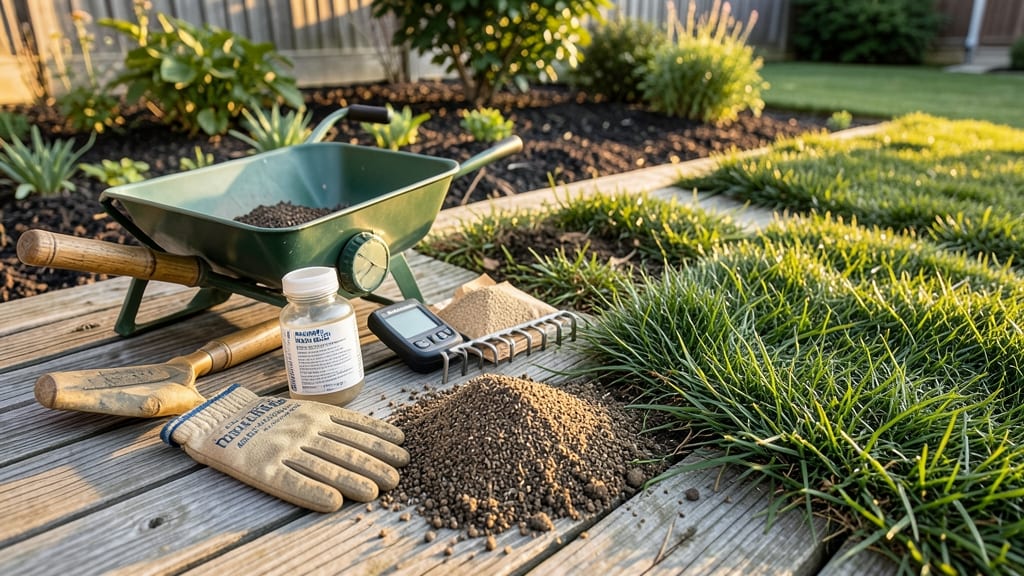
Planting grass seed in Kansas at the right time ensures strong germination and a thick lawn that outcompetes weeds—so timing is everything for a lush result.
Timing your grass seed planting in Kansas can mean the difference between a lush, weed-free lawn and a battle against drought, weeds, and uneven growth—so getting it right is critical for success.
With Kansas' 5b-6b climate zones, early spring (March-April) and early fall (September-October) offer the best conditions for cool-season grasses like Tall Fescue, while warm-season varieties like Bermuda thrive when planted after the last frost.
Below, I break down the ideal planting windows by region, soil temperature tips, and how to adjust for Kansas' unpredictable weather—so you can skip the guesswork and get straight to a healthy lawn.
Optimal Kansas grass seed planting months by region & climate zone
Kansas spans USDA hardiness zones 5b through 7a, creating distinct planting windows between its northern and southern regions. The northern half (zones 5b-6a) faces earlier frosts and cooler soils, while the southern half (zones 6b-7a) enjoys longer growing seasons.
Understanding these differences ensures your grass seed germinates at the right time for robust growth.
Cool-season grasses like Kentucky Bluegrass and Tall Fescue thrive when planted in early spring (March-April) or early fall (September-October). Warm-season varieties such as Bermuda and Buffalograss prefer late spring (May-June) planting. Timing matters because seedling stress from extreme heat or cold can stunt growth or invite weeds.
Soil temperature is your best guide—cool-season grasses need 50-65°F soil, while warm-season types require 65-75°F. In Kansas, northern regions often hit these thresholds 2-3 weeks later than southern areas. Always check local frost dates to avoid planting too early or too late.
Here’s a quick reference for Kansas regions, including rainfall patterns and ideal planting windows:
| Region | USDA Zone | Cool-Season Planting | Warm-Season Planting | Soil Temp Threshold | Rainfall Consideration |
|---|---|---|---|---|---|
| North Kansas (Hays, Salina) | 5b-6a | Late March–Early April | Mid-May–Early June | 50-65°F (cool-season) / 65-75°F (warm-season) | April–May (spring rains critical) |
| Central Kansas (Manhattan, Wichita) | 6a-6b | Early April–Mid-April | Late April–May | 50-65°F (cool-season) / 65-75°F (warm-season) | March–June (variable rainfall) |
| South Kansas (Dodge City, Garden City) | 6b-7a | Mid-March–Early April | Early April–Late May | 55-70°F (cool-season) / 70-80°F (warm-season) | April–May (drier summers) |
In northern Kansas, where winters are harsher, aim to plant cool-season grasses 4-6 weeks before the average last frost date (typically April 15). This gives seedlings time to establish roots before summer heat arrives.
Conversely, warm-season grasses should wait until soil temperatures consistently stay above 65°F, usually by mid-May.
For central and southern Kansas, where frost dates are later, you can plant cool-season grasses as early as mid-March in the south. However, avoid planting too soon—cold soil can delay germination, leaving seedlings vulnerable to disease and weeds.
Warm-season grasses here can often be planted as early as April, provided soil temps are right.
Fall planting is ideal for cool-season grasses because it allows seedlings to establish roots before winter dormancy. In Kansas, September is the sweet spot—plant by mid-September in the north and early October in the south to ensure germination before the first frost.
This timing also helps suppress weeds by outcompeting them early in the growing season.
If you’re planting warm-season grasses in fall, avoid it—these grasses go dormant in cooler weather and won’t establish well. Instead, focus on spring planting for varieties like Bermuda or Zoysia, which need warm soil to germinate.
Always check 7-day soil forecasts to avoid planting during unexpected cold snaps or droughts.
Pro tip: Use a soil thermometer to confirm readiness—cool-season grasses need 50-65°F, while warm-season types require 65-75°F. In Kansas, northern regions often lag 1-2 weeks behind southern areas in hitting these thresholds. Adjust your planting date accordingly to avoid stress on young seedlings.
🌱
How to choose planting dates based on soil temperature & moisture
Determining the perfect time to plant grass seed in Kansas isn't just about checking a calendar—it's about understanding your soil temperature and moisture levels. Cool-season grasses like Tall Fescue need soil temps between 60-70°F, while warm-season types like Bermuda prefer 65-75°F.
These thresholds ensure strong germination and weed suppression.
Kansas' unpredictable weather makes soil testing essential. A soil thermometer (just $10 at garden centers) reveals when conditions are truly right. For example, early spring might feel warm, but soil temps can still be too cold for seed germination. Always wait for consistent temperatures above your grass type's ideal range.
Moisture matters just as much as temperature. Kansas summers bring drought risks, so planting during dry spells can leave seeds exposed. Aim for 1-1.5 inches of rainfall per week or supplement with daily watering until germination occurs. Check moisture by digging 2 inches deep—soil should feel damp, not soggy.
⚠️ ⚠️ WARNING: Planting Too Early or Late ⚠️ ⚠️ Planting grass seed when soil temps are below 55°F risks poor germination, while waiting until August exposes seeds to Kansas' brutal summer heat.
Cool-season grasses planted in late fall may not establish before frost, while warm-season grasses seeded before May often fail due to slow soil warming. Always align planting with local frost dates—Kansas' average last frost is April 15, but northern regions can delay until May 1.
Use the Kansas State University AgWeather tool to track real-time soil conditions.
Adjust your timeline for drought years. In average rainfall seasons, early fall (September) is ideal for cool-season grasses, but during dry spells, shift to late August when soil stays moist longer.
Warm-season grasses should never be planted before mid-May—soil must reach 65°F+ for consistent germination. Pro tip: Test soil moisture daily during planting windows to avoid missed opportunities.
For extra precision, combine soil testing with weather forecasts. Check the 7-day outlook for stable temps and minimal rain risks. If a heatwave is forecasted within 10 days of planting, delay seeding to prevent seed desiccation.
Kansas' western regions often need earlier adjustments due to faster soil warming—plant cool-season grasses by March 15 there, while eastern areas can wait until April 1.
Remember: Consistency wins. Plant only when soil temps and moisture align for 10+ days—this ensures seeds stay hydrated through germination. Use a seed starter fertilizer to boost early growth, and keep seeds lightly covered (¼ inch) to retain moisture.
With these steps, you'll outsmart Kansas' climate and grow a thick, weed-resistant lawn every time. 🌱