
Pruning
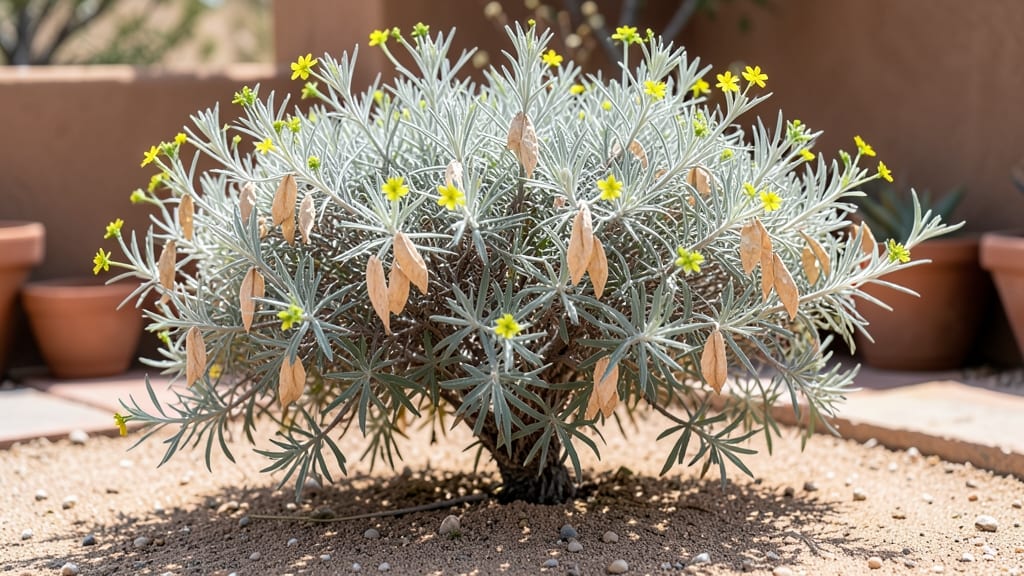
Growing hopseed bush in Tucson means year-round greenery without the fuss of twisty branches—and I’ve finally cracked the code after years of trial and error. 🌵 This drought-loving shrub thrives in Tucson’s heat, but most pruning guides miss the twist-free trick that keeps it looking effortless.
The secret? Timing cuts right before monsoon season and shaping it like a small tree, not a hedge. Tucson’s dry climate makes this plant a foolproof choice—it tolerates rocky soil, needs deep but infrequent watering, and handles our intense sun without wilting.
Plant it in full sun after the last frost (March), spacing bushes 6-8 feet apart for airflow. Propagation is easy too: just snip a cutting and stick it in dry soil—it roots itself in weeks.
Once established, your hopseed bush will reward you with silver-blue foliage that stays lush even in summer’s peak. The twist-free pruning method keeps it compact and tidy, while native companion plants like desert marigold add extra color. Just avoid overwatering during monsoons—this plant stores moisture like a pro.
For beginners, this is the low-maintenance shrub Tucson gardeners swear by. No deadheading, no fuss—just reliable greenery that fits perfectly in desert landscapes. Ready to give it a try?
📚 In This Guide
- What you need
- Instructions
- Tips and common mistakes
- Wrapping up and next steps
What you need
- ● Pruning shears: Bypass pruners (sharp, clean, and sterilized with rubbing alcohol to prevent disease). Recommended: Felco F-2 or similar (1 pair).
- ● Loppers: For thicker branches (1–2 inches in diameter). Recommended: Fiskars PowerGear Loppers (1 pair).
- ● Hand pruners: For delicate trimming (smaller branches). Recommended: Corona 5-in-1 Tool (1 pair).
- ● Gloves: Heavy-duty gardening gloves (cut-resistant, like Mechanix Wear). Recommended: 1 pair.
- ○ Pruning saw: For thick, woody stems (optional but handy). Recommended: Bahco Ergonomic Pruning Saw (1).
- ● Disinfectant: 70% isopropyl alcohol or bleach solution (1:9 ratio with water) to sterilize tools between cuts.
- ● Rag or paper towels: For cleaning tools (5–10 sheets).
- ● Trash bag: Heavy-duty (1–2 gallon size) for pruned debris.
- ● Water spray bottle: Small (8 oz) to dampen dusty areas before pruning.
- ● Horticultural sealant: Pruning paste (e.g., Tanglefoot Tree Wound Pruning Seal) to protect large cuts (small jar).
- ● Ladder: Extendable (6–10 ft) if your bush is tall. Safety tip: Use a stable, 3-legged ladder!
- ● Notebook & pen: To sketch your pruning plan or track growth.
- ● Mulch: Organic mulch (e.g., shredded bark) to replenish after pruning (5–10 gallons).
- ● Safety glasses: Protect your eyes from debris (1 pair).
- ● Knowledge of your Hopseed Bush’s growth habits (deciduous or evergreen in Tucson’s climate).
- ● Clear, sunny day (avoid pruning in extreme heat or wet conditions).
- ● Basic understanding of twist-free pruning techniques (or willingness to research!).
- ● Access to water for post-pruning care (hose or watering can).
Twist-free pruning techniques for hopseed bush in Tucson’s climate
Tucson’s heat and dryness demand a different approach to pruning—here’s how to keep your hopseed bush thriving without the tangled mess.
🌿 Step 1: Assess Growth Patterns Before Pruning
Start by examining your hopseed bush’s current structure. Look for woody stems that have outgrown their space and crossing branches that create shade competition. In Tucson’s intense sun, these often appear as brittle, sun-scorched limbs. I always prune in late winter, just as new growth begins—but before the 90°F+ temperatures stress the plant.
Use sharp, clean pruning shears to make cuts at a 45-degree angle just above a leaf node. This prevents water from pooling on the cut and reduces disease risk. If you see dead or diseased wood (gray, mushy stems), remove it immediately—hopseed bushes are sensitive to fungal issues in the heat.
✂️ Step 2: Thin Out Crowded Branches for Airflow
Hopseed bushes thrive when they receive unobstructed airflow, which Tucson’s dry climate demands. Focus on removing 1/3 of the oldest, thickest stems first—they’re less productive and compete for water. I like to work from the inside out, cutting back branches that tangle with others or grow inward toward the center.
Watch for suckers—those aggressive new shoots at the base. These sap energy from the main plant. Snip them off at the base with clean shears. If you leave them, they’ll twist and tangle with the main structure, creating a maintenance nightmare. After thinning, step back and visualize sunlight reaching all remaining branches—this is your goal.
☀️ Step 3: Shape for Sun Exposure and Seasonal Adjustments
Tucson’s sun is relentless, so shape your hopseed bush to maximize shade for delicate new growth while keeping the center open. I aim for an open vase shape, with branches spaced 6-12 inches apart. This prevents the center from becoming too dense, which traps heat and invites pests.
For year-round growth, avoid heavy pruning in summer. Instead, do a light maintenance trim in early fall to remove any overly leggy growth that stretches toward the sun. In Tucson’s climate, hopseed bushes can handle a 10-15% reduction in foliage every few months to stay balanced.
💧 Step 4: Post-Pruning Care for Tucson’s Heat
After pruning, give your hopseed bush a deep watering—soak the root zone to 12 inches deep—to help it recover from the stress. In Tucson’s dry air, this encourages new growth without shocking the plant. I always water in the early morning to reduce evaporation and fungal risks.
Apply a 2-inch layer of mulch around the base (but keep it 3 inches away from the trunk) to retain moisture and regulate soil temperature. This is critical in Tucson, where soil can heat up to 110°F in summer. Avoid nitrogen-heavy fertilizers immediately after pruning—the bush needs time to knit its wounds before pushing new growth.
⏰ Step 5: Monitor and Adjust for Seasonal Changes
Check your hopseed bush every 4-6 weeks for new growth or signs of stress. In Tucson, you’ll notice faster regrowth in spring and slower recovery in late summer. If you see yellowing leaves, it’s often a sign of overwatering—hopseed bushes prefer well-draining soil and hate soggy roots.
If branches start twisting or growing in odd directions, it’s a sign of uneven light exposure. Rotate the pot a quarter turn every few weeks to encourage balanced growth. In Tucson’s intense light, this prevents the bush from becoming lopsided and ensures even fruit production. With consistent care, your hopseed bush will stay twist-free and productive year-round.
Tips & tricks for perfect hopseed bush pruning in Tucson's climate
Tucson’s unique growing conditions mean standard pruning advice won’t cut it—here’s how to adapt for your hopseed bush’s needs.
Timing is Everything: That late winter timing in Step 1 is critical because it lets your bush recover before summer’s 90°F+ heat stress. I’ve seen bushes struggle when pruned too early—they just can’t handle Tucson’s intensity. If you miss the window, wait until early spring when new growth appears, but don’t delay past March or you risk summer stress. The goal is to give the bush time to establish new growth before the real heat arrives.
Tool Precision Matters: Those 45-degree angle cuts in Step 1 aren’t just about aesthetics—they prevent water pooling that leads to fungal issues. I use bypass pruners for clean cuts and sterilize them with rubbing alcohol between cuts. For larger branches, I make the initial cut slightly above a bud on the underside of the branch, then follow with a second cut to prevent tearing. This technique also helps the bush heal faster in Tucson’s dry climate where wounds can dry out quickly.
Seasonal Adjustments: The 10-15% reduction mentioned in Step 3 is your safety net for Tucson’s extremes. In summer, when you see leggy growth stretching toward the sun, that’s your cue for light maintenance trims. I’ve found that removing just the tips of these branches (rather than whole stems) gives the bush a chance to recover without shocking it. Think of it as giving your bush a trim rather than a haircut—small adjustments maintain balance without stress.
Post-Pruning Recovery: That deep watering to 12 inches in Step 4 isn’t just about moisture—it’s about temperature regulation. Tucson’s soil can reach 110°F, and the deep watering helps moderate that heat while encouraging root growth. I’ve noticed that bushes watered this way show new growth about 2 weeks earlier than those with shallow waterings. The mulch layer is equally important—it creates a microclimate that protects roots from temperature swings between day and night.
Pro Tips for Hopseed Bush Tucson
- Tucson’s unique growing conditions mean standard pruning advice won’t cut it—here’s how to adapt for your hopseed bush’s needs.
- Timing is Everything: That late winter timing in Step 1 is critical because it lets your bush recover before summer’s 90°F+ heat stress.
- Tool Precision Matters: Those 45-degree angle cuts in Step 1 aren’t just about aesthetics—they prevent water pooling that leads to fungal issues.
Frequently asked questions
Got questions about pruning your hopseed bush (Dodonaea viscosa) in Tucson’s unique climate? We’ve got answers!
Whether you’re a first-time pruner or a seasoned gardener, these FAQs will help you keep your bush thriving without the twists.
When is the best time to prune my hopseed bush in Tucson?
Prune your hopseed bush twice a year: late winter (February) to encourage new growth before spring, and early fall (September) to tidy up before monsoon season. Avoid pruning during extreme heat (summer) or cold snaps (winter), as the plant struggles to recover.
How do I prune without causing twists or knots in the branches?
Use the “open-center” method: Cut back one-third of the oldest branches at the base to promote airflow and sunlight penetration. Avoid top-heavy cuts—always trim at a 45-degree angle just above a leaf node or bud to prevent gnarled growth. Thin out crowded stems first!
What if my hopseed bush isn’t recovering after pruning?
If your bush looks leggy, yellow, or sparse post-prune, it may need nutrient support. Tucson’s alkaline soil can drain nutrients—apply a balanced fertilizer (10-10-10) in spring and a low-phosphorus option in fall. Overwatering can also stress the plant; let soil dry between waterings.
Can I propagate hopseed bush from cuttings after pruning?
Root pruned cuttings
in a mix of perlite and sand (or cactus soil) and keep them in bright, indirect light. Mist daily to maintain humidity. Roots typically form in 4–6 weeks. Tucson’s dry climate makes this a great way to expand your bush’s reach!
Are there drought-tolerant alternatives to hopseed bush for Tucson?
Yes! If you want low-maintenance, twist-free shrubs with similar vibrancy, try:
- Texas Ranger (Leucophyllum frutescens) – Purple blooms after rain, ultra-drought-tolerant.
- Desert Willow (Chilopsis linearis) – Fast-growing, fragrant flowers, and resilient.
- Bougainvillea – Thrives in heat, needs minimal pruning, and adds bold color.
Wrapping up and next steps
Mastering the art of twist-free pruning for your hopseed bush in Tucson isn’t just about keeping your plant tidy—it’s about unlocking its full potential for year-round growth and resilience.
With the right tools, timing, and techniques, you’ll transform pruning from a chore into a rewarding ritual that strengthens your bush’s health and beauty. 🌿✨
Ready to take the next step? Start small—grab those pruners and give your hopseed bush a confident trim this weekend! Observe how it responds, adjust your approach as needed, and watch your plant thrive under your care. Happy pruning!