
How To
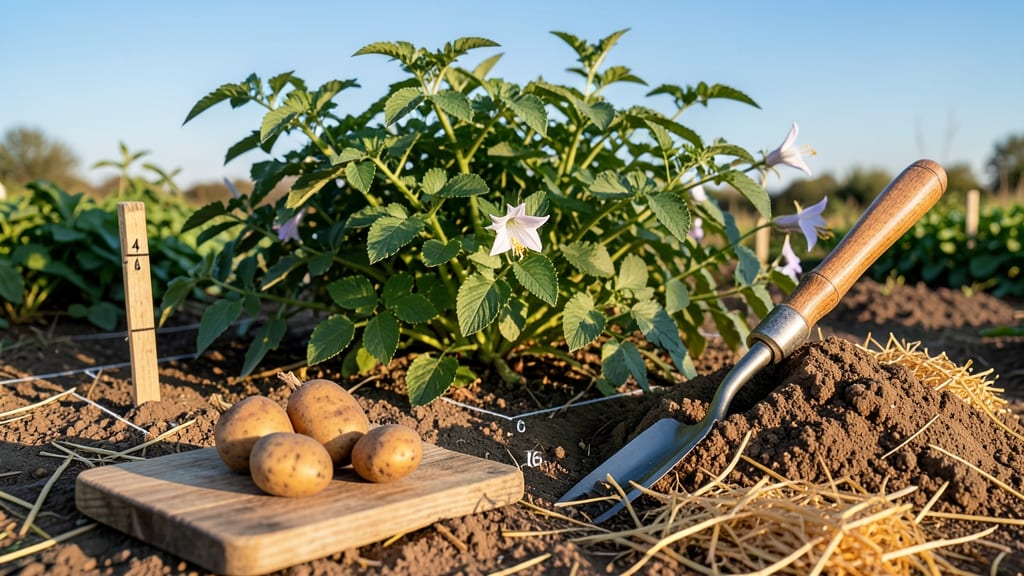
Optimal seed potato planting depth by variety (with exact inch measurements)
Getting the planting depth right for your seed potatoes directly impacts tuber size and yield. Unlike many crops, potatoes grow underground, so burying them too shallow or deep throws off their natural development.
For example, Yukon Gold potatoes planted at 3 inches might produce small, misshapen tubers, while the same variety at 5 inches yields plump, flavorful harvests. The key? Planting with the eyes facing up and adjusting depth based on your potato variety and soil conditions.
Most gardeners overlook how soil type and climate influence ideal depth. Sandy soils dry out faster, so you’ll need to plant deeper to retain moisture, while clay soils can suffocate tubers if planted too deep.
Even the time of year matters—early varieties like Red Pontiac thrive with shallower planting in cooler springs, whereas late varieties like Russet Burbank benefit from deeper planting to withstand summer heat. Let’s break down the exact measurements for your garden.
Notice how late varieties like Russet Burbank need the deepest planting—this protects them from summer heat and encourages larger tubers. Meanwhile, early varieties like Red Norland thrive with shallower planting because they mature quickly in cooler soils.
If you’re growing Fingerling potatoes, aim for 4–5 inches to prevent them from splitting or becoming misshapen due to uneven growth.
One common mistake? Planting with the eyes down. This delays sprouting and reduces yields. Always position your seed potatoes so the sprouts (eyes) face upward—this ensures faster germination and stronger stems.
For organic gardeners, adding a handful of compost to the planting hole improves drainage and nutrient uptake, especially in clay-heavy soils. I’ve found that pre-soaking seed potatoes for 12 hours before planting also speeds up emergence by 3–5 days.
Spacing matters just as much as depth. Plant your seed potatoes 12 inches apart in rows spaced 24–36 inches apart. This gives tubers room to expand without crowding, which can lead to disease or stunted growth.
For container gardening, use large pots (at least 12 inches deep) and plant 2–3 seed potatoes per container, adjusting depth to match the variety guidelines above. Containers dry out faster, so monitor moisture closely.
After planting, lightly water the soil to settle it around the tubers. Avoid heavy watering immediately, as this can displace the seed potatoes or create air pockets that hinder root development.
Once sprouts appear (usually in 2–4 weeks), apply a 2–3 inch layer of straw mulch to retain moisture and suppress weeds. This is especially critical in dry climates or during hot summers, where shallow planting can lead to tuber dehydration.
Watch for signs of improper depth during the growing season. If your potatoes sprout slowly or stems appear weak, they may be planted too deep. Conversely, if tubers turn green or stems flop over, they’re likely too shallow.
Green tubers contain solanine, a toxin that makes them unsafe to eat, so always hill soil around stems to prevent light exposure. For organic growers, use grass clippings or straw for hilling instead of synthetic mulches.
Pro tip: Mark your planting rows with biodegradable flags or a simple garden twine to track depth and spacing. This helps you avoid disturbing the soil during watering or weeding. If you’re in a short-season climate, opt for early varieties planted at 3–4 inches to maximize your harvest window.
For longer growing seasons, deeper planting (5–6 inches) pays off with larger, storage-friendly tubers
How soil type and climate affect seed potato planting depth
Your seed potato planting depth isn't one-size-fits-all—it depends on whether you're in Zone 3 or Zone 10, growing in sandy soil or clay, and even your chosen variety.
The wrong depth can lead to stunted growth, frost damage, or tuber rot, all of which waste your time and effort. Let's break down the adjustments you need to make for your specific conditions.
Most gardeners default to 4–5 inches deep, but this isn't always ideal. For example, cold climates require deeper planting to protect tubers from frost heave, while warm climates need shallower depths to prevent overheating.
Similarly, sandy soil drains too quickly, so you’ll need to plant deeper to retain moisture, whereas clay soil holds too much water, demanding shallower depths to avoid rot.
Plant 4–5 inches deep to protect tubers from frost heave. Use straw mulch (3–4 inches) after sprouting to insulate.
Reduce depth to 3–4 inches to prevent tuber rot from excess heat. Water deeply post-planting to encourage root growth.
Increase depth by 1 inch (e.g., 5 inches total) to retain moisture; add compost to improve water retention.
Plant shallower (3–4 inches) and amend with gypsum or sand. Avoid compacting soil around tubers.
If you're growing organic potatoes, your depth adjustments might differ slightly. Organic growers often prioritize soil health over synthetic amendments, so focus on compost integration and natural mulches like straw or leaves.
These materials help regulate soil temperature and moisture, reducing the need for drastic depth changes but still requiring attention to your local climate.
One of the biggest mistakes gardeners make is planting too deep in cold regions, which can delay sprouting until after the last frost, or too shallow in warm climates, leading to sun-scalded tubers.
Always ensure the eyes (sprouts) face upward—this is critical for consistent growth. For container growing, reduce depth by about 1 inch since pots dry out faster and retain less insulation.
To test if your depth is correct, monitor your plants for the first 3–4 weeks. If sprouts emerge slowly or not at all, you may have planted too deep.
If tubers develop green patches, they’re too close to the surface. Adjust your method for next season based on these observations—your potatoes will thank you with a bountiful harvest!